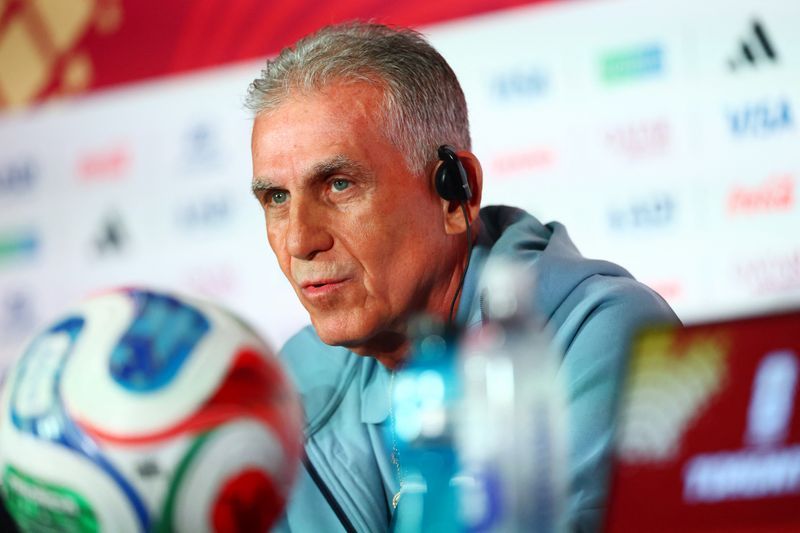
Ghana's preparations for their World Cup Group L encounter against Panama remain on track despite the ongoing legal uncertainty surrounding midfielder Thomas Partey's entry into Canada. Coach Carlos Queiroz struck a pragmatic tone at a press conference in Toronto on Tuesday, emphasising that his tactical setup and team selection are already finalised regardless of the outcome of the federal court appeal hearing that took place the same day. The match itself is scheduled for Toronto Stadium on Wednesday, leaving little time for last-minute adjustments to Ghana's strategy.
Partey, who plays for Spanish club Villarreal, has been at the centre of a dispute after Canadian authorities initially declined to allow him entry to the country. This decision stems from allegations of rape and sexual assault that Partey faces in Britain—charges he has consistently denied. The midfielder's legal team appealed Canada's refusal, with the federal court hearing the case just hours before Ghana's critical group-stage fixture. Queiroz's measured response signals that Ghana have contingency plans in place, though the loss of such a prominent player would represent a significant blow to their midfield depth and experience.
When pressed on the Partey situation, Queiroz declined to elaborate extensively, characterising the broader context surrounding the case as irrelevant to his immediate coaching responsibilities. His dismissal of external commentary reflected a determination to keep his focus on tactical preparation rather than off-field distractions. The 73-year-old Portuguese coach's philosophy appeared centred on adapting to circumstances as they materialised rather than dwelling on potential complications. This pragmatic mindset underscores the reality that international football at tournament level demands flexibility and composure when dealing with unexpected obstacles.
However, Queiroz's public assessment of Ghana's capabilities painted a picture of a squad confident in its collective strengths. He characterised Panama as a well-organised and tactically experienced opponent, worthy of respect and preparation. Yet he also identified what he termed weaknesses in Panama's setup, suggesting that Ghana possess the tactical tools and personnel to exploit vulnerabilities in their Central American opponents' approach. This nuanced analysis avoided overconfidence whilst projecting an assertive, solutions-oriented mindset that should resonate with Ghana's supporters.
The Ghana coach highlighted several dimensions of his team's potential competitive advantage. He pointed to Ghana's considerable depth in experience across the squad, combined with technical quality and pace in attack. One-on-one situations, he suggested, represented an area where Ghana could dominate, implying confidence in the athleticism and skill level of his outfield players. This emphasis on individual prowess in isolated contests reflects a tactical philosophy that values direct, aggressive football capable of breaking down organised defences through superior execution rather than elaborate combination play.
Beyond immediate team matters, Queiroz raised broader concerns about FIFA's mandatory hydration breaks, a feature introduced into World Cup matches to manage player welfare in high-temperature conditions. While he stopped short of making a definitive critique before the tournament's conclusion, the veteran coach signalled scepticism about the rule's underlying motivations. He called for a comprehensive integrity report from FIFA once the World Cup concludes, one that would clarify whether hydration breaks were implemented primarily to protect player health and performance or whether they served commercial and marketing interests.
This questioning of FIFA's decision-making reflects a wider sentiment among football stakeholders about the fine line between genuine welfare concerns and competitive advantage. In an increasingly globalised sport where broadcast schedules and marketing opportunities drive scheduling, Queiroz's implicit suggestion that alternative motives may have influenced the hydration break policy strikes at the heart of how international football governance balances player welfare against commercial pressures. For Southeast Asian audiences familiar with tropical heat and humidity in football competitions, such critiques about rule implementation carry particular resonance, as the region frequently hosts World Cup qualifiers and regional tournaments in challenging climatic conditions.
Ghana's participation in this World Cup edition carries significant weight for African football representation and competitiveness at the global stage. The nation has a proud history of World Cup participation and remains one of the continent's traditional powerhouses in international football. A strong performance against Panama could provide momentum for their remaining group matches and reinforce Ghana's status as a credible contender in what promises to be a competitive group stage. Conversely, struggles in this fixture could place additional pressure on subsequent matches and complicate their path to advancing from the group.
The Partey question adds an unpredictable human element to Ghana's preparation, illustrating how modern football operates at the intersection of sport, law, and international diplomacy. Whether the midfielder ultimately gains entry will depend on judicial processes beyond Queiroz's control, yet his squad's ability to perform regardless demonstrates the depth of talent available to Ghana. This resilience may prove essential if Partey remains unavailable, forcing Ghana's coach to identify alternative midfield solutions capable of matching Panama's organisational approach.
As Ghana moves into their most critical group-stage assignment, Queiroz's measured confidence and tactical clarity suggest a team mentally prepared for the challenge ahead. The coaching staff has evidently conducted thorough analysis of Panama's strengths and weaknesses, identifying specific areas where Ghana can impose their style of play. Whether Partey is available or not, Ghana appear positioned to give a competitive account of themselves against opponents they evidently respect but do not fear. The outcome on Wednesday will provide clarity not only on Ghana's World Cup prospects but also on how effectively they can overcome adversity and execute under pressure.

