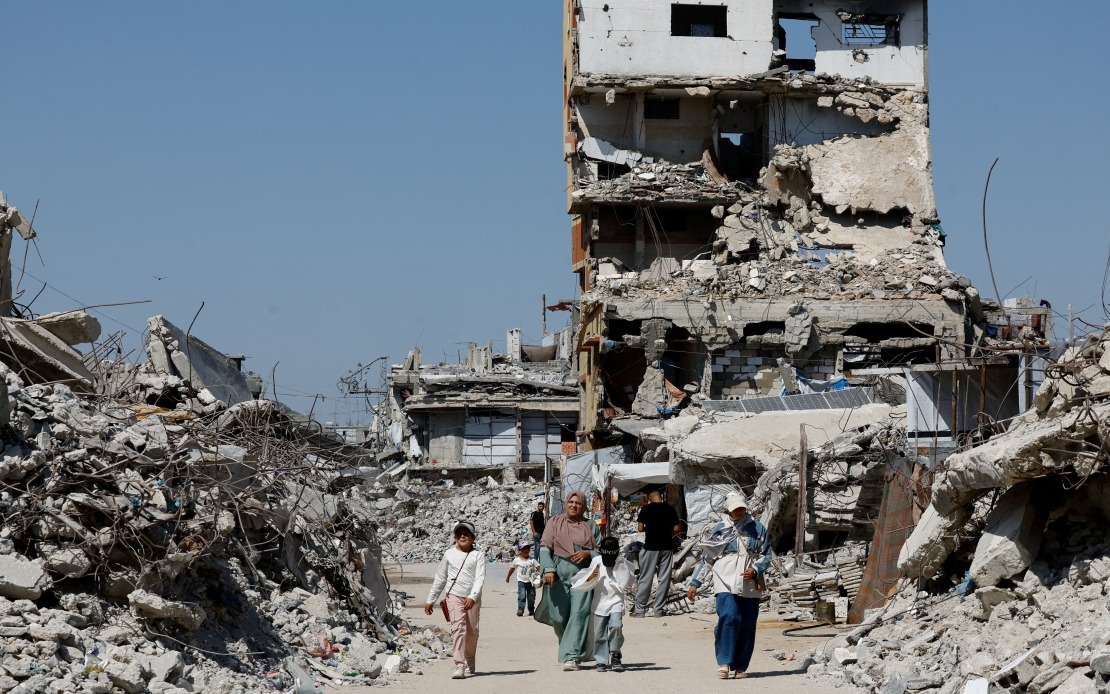
The humanitarian crisis in Gaza has deepened with the Gaza Health Ministry reporting 10 fresh fatalities and 25 injuries sustained over a single 24-hour period, pushing the cumulative death toll since October 2023 to 73,417 individuals. The latest casualties underscore the continuing volatility in the blockaded Palestinian territory, where medical facilities have received bodies and wounded patients on a daily basis in recent weeks, according to official ministry statements released on Thursday.
The circumstances surrounding these recent deaths remain unclear, as the Health Ministry refrained from providing specific details about how the casualties occurred. However, ministry officials attributed the continued loss of life to persistent Israeli military activities, specifically citing ongoing shelling and gunfire across multiple locations throughout the enclave. These incidents represent alleged violations of the ceasefire framework that was supposed to take effect in October 2025, suggesting that the supposed agreement has failed to halt military operations on the ground.
Beyond the immediate count of deaths and injuries, a significant humanitarian concern looms over the territory. The ministry acknowledged that numerous victims remain trapped beneath collapsed buildings and scattered across roads, while emergency response teams—including ambulance services and civil defence personnel—have been unable to reach them. This access crisis compounds the humanitarian emergency, as rescue operations are hampered by security conditions and infrastructure limitations that prevent responders from reaching those in distress.
When measured against the ceasefire agreement itself, the toll of violations has been particularly severe. According to the Health Ministry's calculations, Israeli breaches of the October 2025 ceasefire have resulted in 1,283 deaths, with an additional 4,248 individuals wounded during the period when the truce was supposedly in effect. These figures suggest that the cessation of hostilities has been more theoretical than practical, with military engagement continuing despite international agreements aimed at preventing further bloodshed.
The overall human cost of the conflict since its inception in October 2023 reflects a catastrophic impact on Gaza's population. Beyond the 73,417 confirmed deaths, the ministry has documented 174,360 wounded individuals across the territory. These figures represent a staggering proportion of Gaza's pre-conflict population and raise serious questions about the humanitarian dimension of ongoing military operations. The sheer scale of casualties has overwhelmed medical infrastructure and emergency response systems throughout the enclave.
The destruction wrought by military operations has extended far beyond human casualties into the physical fabric of Gazan society. The Health Ministry reports that approximately 90 percent of civilian infrastructure in Gaza has been damaged or destroyed through the course of conflict. Schools, hospitals, residential buildings, water systems, and electricity networks have been substantially compromised, creating a secondary humanitarian crisis distinct from but intertwined with the immediate security situation. The United Nations has assessed that rebuilding Gaza's infrastructure would require approximately US$70 billion in reconstruction costs—a figure that underscores the scale of physical devastation.
For Malaysian and Southeast Asian observers, the Gaza situation presents several concerning implications. The apparent failure of the October 2025 ceasefire to prevent continued military operations raises questions about the viability of international agreements in conflict zones and the enforcement mechanisms available to the international community. Malaysia, as a predominantly Muslim-majority nation with a historical commitment to Palestinian solidarity, has maintained diplomatic engagement on this issue through various international forums including the United Nations and the Organisation of Islamic Cooperation. The sustained casualty figures complicate efforts by regional actors to promote peaceful resolution.
The humanitarian dimension of the Gaza crisis also touches on broader regional concerns about displacement, refugee flows, and stability in the Eastern Mediterranean and Middle East. Several Southeast Asian nations, including Malaysia, have historically hosted Palestinian refugee populations and maintain active civil society engagement with Palestinian causes. The scale of destruction and displacement in Gaza creates potential pressure on regional hosting capacity and diplomatic resources throughout the Muslim world.
The reported violations of the ceasefire agreement by Israeli military forces—even as international negotiators attempted to maintain the truce framework—illustrate the complex challenges facing conflict resolution efforts in the region. The inability or unwillingness of military actors to adhere to agreed-upon terms raises fundamental questions about the foundations upon which such agreements are built and what enforcement or verification mechanisms might make future arrangements more durable.
As the situation continues to evolve, the mounting casualty figures and infrastructure destruction create an increasingly dire humanitarian landscape. The combination of ongoing military operations, destroyed civilian infrastructure, and limited access for emergency responders suggests that the humanitarian emergency in Gaza may intensify rather than improve in the near term. International organisations and regional bodies will likely face sustained pressure to develop more effective mechanisms for protecting civilian populations and preventing further loss of life in the enclave.

