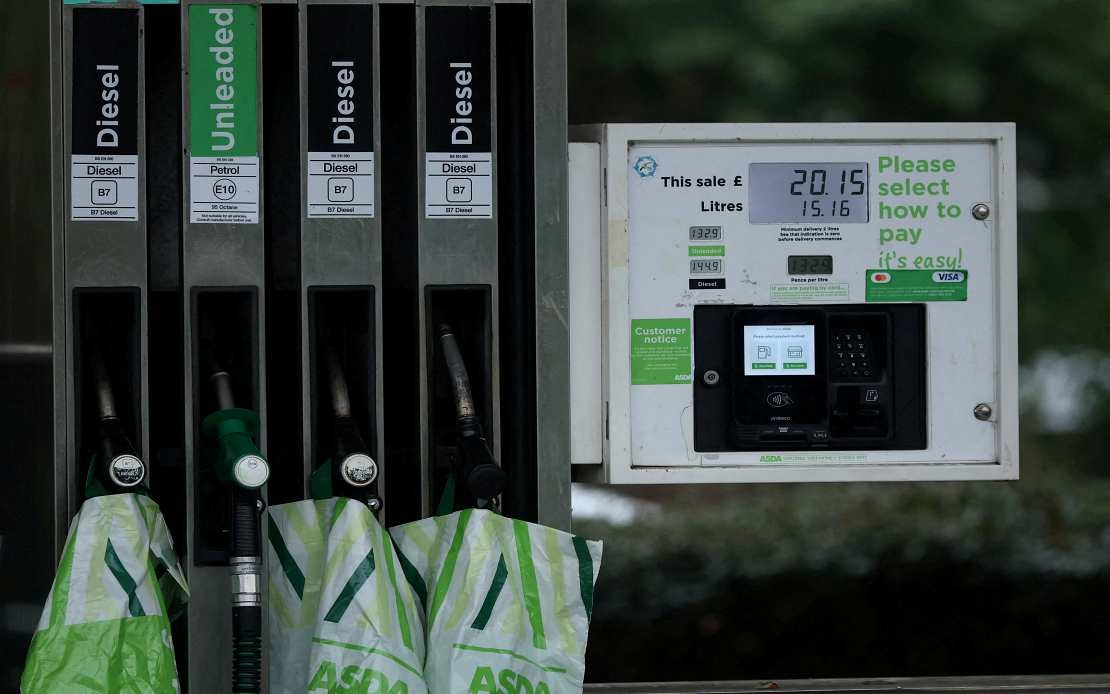
The United Kingdom is grappling with an unprecedented surge in petrol pump thefts, with operators losing an estimated daily average of £194,000 across the nation's 8,359 forecourts. According to analysis by fuel theft prevention company Forecourt Eye, this represents a stark shift in criminal behaviour following the outbreak of conflict in Iran on February 28. The scale of the problem underscores the intersection of geopolitical instability and everyday consumer behaviour, raising questions about how economic pressure drives people toward petty crime and how retailers adapt to a new criminal landscape.
The data paints a concerning picture of accelerating fuel thefts in the five months following the Iran crisis. Incidents of fuel taken without payment surged by 20 per cent compared with the preceding five months, according to Forecourt Eye's analysis drawn from 550 representative petrol station installations. However, the financial impact proved even more severe than raw incident numbers suggest. The combination of soaring pump prices—themselves a direct consequence of regional geopolitical tensions—meant the value of stolen fuel climbed by 48 per cent over the same period. By August, petrol prices had reached 160p per litre, approximately 27p higher than before the conflict and marking a three-and-a-half year peak. Diesel prices tell a similar story, sitting approximately 37p per litre above pre-conflict levels at 179p.
What makes this surge particularly notable is the profile of offenders. First-time fuel thefts increased by 23 per cent in volume and 26 per cent in frequency, while repeat offenders registered smaller increases of 17 per cent and 20 per cent respectively. This distinction matters because it suggests the problem is not simply driven by organised criminal networks operating with impunity, but rather ordinary motorists pushed by economic desperation to commit crimes they might otherwise avoid. The thefts encompass both brazen drive-offs where no attempt at payment is made and scenarios where customers claim an inability to pay after filling their tanks, blurring the line between criminal intent and financial hardship.
The human toll on petrol station workers has become increasingly pronounced. Gordon Balmer, executive director of the Petrol Retailers Association representing independent operators, has reported that members are facing growing levels of verbal abuse and physical aggression from customers. Staff members bear the brunt of customer frustration over fuel prices despite having no control over the rates they display. This creates a secondary impact beyond lost revenue: deteriorating workplace safety and employee morale at forecourts across the country. For many of these establishments, independent operators rather than major oil companies, the cumulative effect of both theft losses and workplace tension threatens viability.
A crucial misunderstanding compounds the problem for independent retailers. Many motorists incorrectly assume that petrol stations displaying major brand logos such as BP or Shell are corporate-operated facilities, not smaller franchise or independent businesses. Ben Lawrence, director of Lawrences Garages, which operates five petrol stations in Norfolk and Hampshire, emphasises that this misconception encourages some drivers to believe fuel theft affects only multinational corporations rather than local business owners. When a customer drives away without paying for £80 or £90 worth of fuel, the impact is immediate and direct upon the independent operator's bottom line, not absorbed by faceless oil giants. This perception gap widens the moral distance potential offenders feel between their actions and their consequences.
Historically, fuel theft occurred predominantly within networks of people engaged in other criminal activity. Lawrence notes that the cost-of-living crisis has fundamentally altered this pattern. Individuals with no prior criminal records, facing genuine economic pressure, now represent a growing proportion of fuel thieves. This democratisation of fuel theft reflects broader anxiety about inflation and household finances rippling through society, transforming petty crime from a specialised activity into a survival strategy for struggling motorists.
Industry responses have begun shifting toward technological solutions. Forecourt Eye is partnering with facial recognition company Facewatch to offer free access to crime reporting and investigation support technology for its customer base. The initiative aims to create a more cohesive ecosystem where individual thefts can be recorded, analysed, and connected to broader patterns. More controversially, Facewatch operates a live facial recognition network allowing participating retailers to be alerted when known offenders approach their forecourts. Michelle Henchoz, Forecourt Eye's managing director, frames this as necessary adaptation: as offending becomes more organised and sophisticated, operators require integrated technological defences protecting both fuel pumps and convenience stores.
The debate around such surveillance measures reflects broader tensions in addressing retail crime across the UK. While retailers clearly face mounting losses and safety concerns, the expansion of facial recognition networks raises questions about privacy, proportionality, and whether technological solutions address underlying economic drivers of crime. Balmer has cautiously welcomed the technology partnership as a positive industry step, but the real resolution likely requires addressing the broader cost-of-living pressures forcing ordinary people toward fuel theft in the first place.
For Malaysian readers and regional observers, the British experience offers instructive lessons about how geopolitical shocks transmit through supply chains into everyday crime and social stress. The Iran conflict's impact on global oil markets demonstrates how distant conflicts reshape local retail experiences and consumer behaviour. Southeast Asia, with its own vulnerabilities to energy price volatility and supply disruptions, faces similar risks should regional tensions escalate. The rise of first-time offenders particularly warrants attention, as it suggests that economic pressure—rather than organised criminality—may represent the primary driver of fuel-related crime across developed economies facing inflation. This pattern could readily emerge in other markets experiencing cost-of-living crises.
The UK data also illustrates how retail crime intersects with worker welfare and public safety. Petrol station staff representing both major corporations and independent operators deserve protection from abuse, yet that protection cannot rely solely on surveillance and enforcement. Sustainable solutions require tackling the economic conditions driving desperation while simultaneously strengthening industry safeguards. For retailers worldwide, the challenge remains clear: responding to symptoms through technology while advocating for policies addressing root causes of consumer distress and financial strain.

