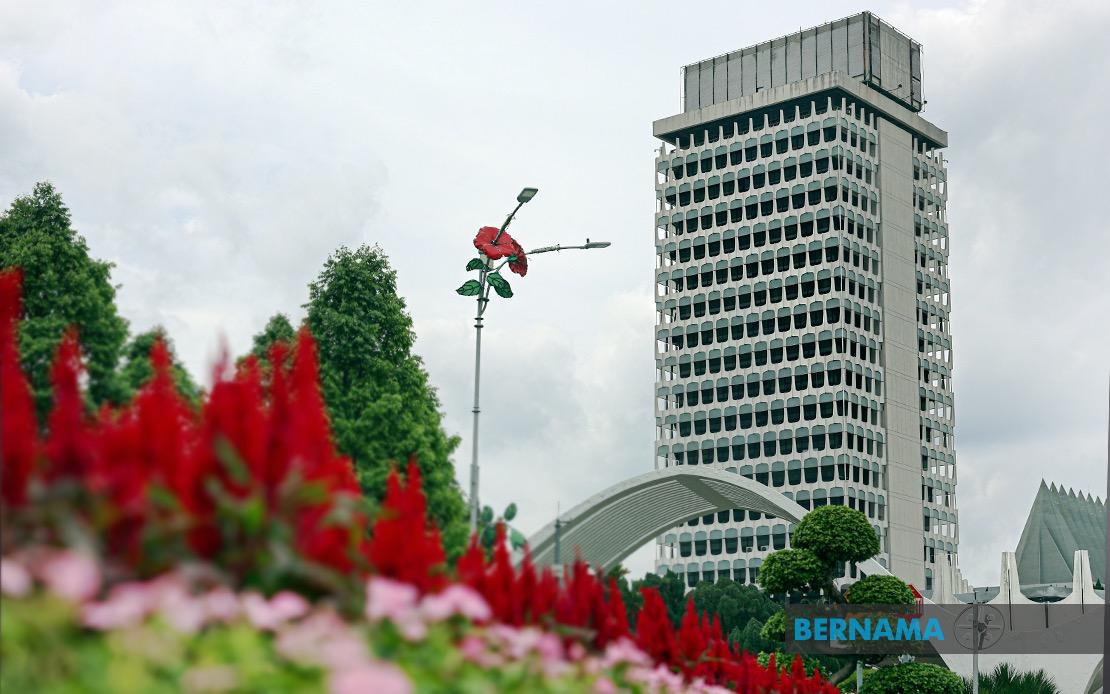
The Dewan Rakyat is poised to grapple with mounting fiscal challenges and persistent technological frustrations as parliamentarians convene for what promises to be a substantive sitting focused on Malaysia's economic vulnerabilities and digital infrastructure gaps. Two pressing concerns—the rising cost of fuel subsidies amid regional geopolitical turmoil and widespread complaints about mobile internet failing despite strong signal bars—are expected to feature prominently in the day's debate, underscoring the government's juggling act between maintaining social support mechanisms and ensuring reliable connectivity for a digitally dependent population.
The connectivity crisis has become increasingly visible to ordinary Malaysians, manifesting as a paradox where phones display full signal strength yet fail to transmit data or calls. Datuk Anyi Ngau, representing Baram through the GPS bloc, will push the Communications Minister to unveil the Malaysian Communications and Multimedia Commission's concrete strategy for eliminating these frustrating blackouts. The question reflects growing public exasperation with infrastructure that, on paper, appears robust but frequently delivers substandard performance. This technical breakdown undermines confidence in Malaysia's digital ecosystem at a time when the nation aspires to greater technological advancement and e-commerce integration, particularly relevant for rural constituencies like Baram where connectivity gaps disproportionately affect economic opportunities and access to government services.
Equally pressing is the fiscal strain emerging from fuel subsidy commitments in an unstable Middle Eastern environment. Mohd Syahir Che Sulaiman from Perikatan Nasional will interrogate the Finance Minister on how the West Asia conflict is reshaping subsidy calculations and whether ballooning energy support costs threaten the government's deficit reduction targets for the fiscal year. This question strikes at the heart of Malaysia's fiscal predicament: subsidies remain politically indispensable welfare mechanisms, yet they consume substantial treasury resources that could otherwise address infrastructure, education, or healthcare deficiencies. The Middle East's perpetual instability means oil price volatility is no longer cyclical but chronic, forcing policymakers to manage subsidy budgets under permanent uncertainty.
For Malaysian households, particularly those in the lower and middle-income brackets, fuel subsidies represent a tangible government benefit that cushions inflation pressures. However, the subsidy system creates structural rigidities in the budget and diverts resources from productive investments. The finance ministry must continuously balance the political imperatives of keeping pump prices affordable against macroeconomic realities. Regional conflicts that disrupt supply chains or elevate crude prices transform subsidy costs from manageable to potentially destabilizing, especially if combined with other fiscal pressures. The parliamentary question signals that opposition and government lawmakers alike recognize this tension and are demanding greater transparency about the ministry's contingency planning.
A third parliamentary focus reflects the pressing employment realities facing Malaysia's rapidly growing informal workforce. Jamaludin Yahya will seek clarification from the Finance Minister on mechanisms to help self-employed individuals, petty traders, hawkers, and gig workers access home financing despite lacking conventional salary documentation. This reflects a structural gap in Malaysia's financial system: traditional lending criteria, predicated on formal employment and regular payslips, systematically exclude workers in the burgeoning gig and informal economies. These cohorts lack the credit history and income verification that conventional banks demand, yet many earn sufficient income to service mortgage obligations. Enabling homeownership for informal workers addresses both social equity and economic resilience, as housing security reduces household vulnerability and enhances consumption stability.
The question also underscores Malaysia's changing labor landscape. As automation and outsourcing reshape formal employment, an expanding proportion of Malaysian workers generate income through flexible, project-based, or entrepreneurial channels. Traditional banking structures have yet to adapt systematically to this reality, creating a financial inclusion gap that limits wealth accumulation and social mobility for millions. Regulatory innovation—such as alternative income verification methodologies or risk-sharing mechanisms—could unlock housing credit for underserved populations while expanding banks' customer bases. The parliamentary inquiry suggests growing recognition that financial inclusion requires institutional evolution, not merely exhortation.
Women's welfare considerations also feature on the day's agenda, with Yeo Bee Yin raising questions about the government's preparedness to establish a national regulatory framework and enact legislation governing confinement centres. These facilities, where postpartum women traditionally receive care and recovery support, operate in a largely unregulated environment despite their significance for maternal health and family wellbeing. The question implies concerns about safety standards, hygiene, practitioner qualifications, and consumer protections. Establishing clear regulatory standards would harmonize practices across the country, protect vulnerable women during a critical health period, and enable authorities to address any substandard operations. This parliamentary inquiry reflects growing acknowledgment that informal healthcare arrangements, even those grounded in cultural tradition, require modern regulatory oversight to safeguard public health.
Following the question and answer session, parliament will advance substantive legislative business with second readings of the Communications and Multimedia (Amendment) Bill 2026 and the Malaysian Communications and Multimedia Commission (Amendment) Bill 2026. These bills, which underwent first reading on July 13, represent the government's formal response to evolving communications challenges and regulatory gaps. The legislation likely addresses digital infrastructure development, cybersecurity frameworks, spectrum allocation, and consumer protection—areas where rapid technological change has outpaced existing legal structures. The bills' content will receive scrutiny from lawmakers concerned with balancing regulatory effectiveness against industry concerns about compliance costs and innovation incentives.
The communications amendments assume particular significance given the parallel parliamentary focus on internet reliability and accessibility. Legislators may use second reading debates to connect the regulatory reforms with practical service delivery failures, challenging government and industry representatives to demonstrate how legislative changes will translate into more reliable connectivity for Malaysian consumers. The amendments could encompass provisions strengthening MCMC's enforcement powers, mandating network resilience standards, or establishing clearer accountability mechanisms when service providers fail to meet performance benchmarks. For consumers experiencing regular connectivity problems, parliamentary scrutiny of these bills offers an opportunity to ensure that regulatory modernization produces tangible improvements in digital service quality.
The current parliamentary sitting runs for sixteen days until July 16, providing an extended window for lawmakers to address policy priorities and legislative initiatives. This extended sitting allows for more comprehensive debate and passage of multiple bills, enabling the government to advance its legislative agenda while giving opposition members adequate opportunity for scrutiny and alternative perspectives. The range of questions and bills scheduled reflects Malaysia's multifaceted policy challenges: macroeconomic management amid regional volatility, infrastructure and digital transformation, financial inclusion and labor market evolution, and social welfare modernization. Collectively, these parliamentary initiatives demonstrate that Malaysian governance institutions remain engaged with pressing policy questions that directly affect citizen welfare and national competitiveness.

