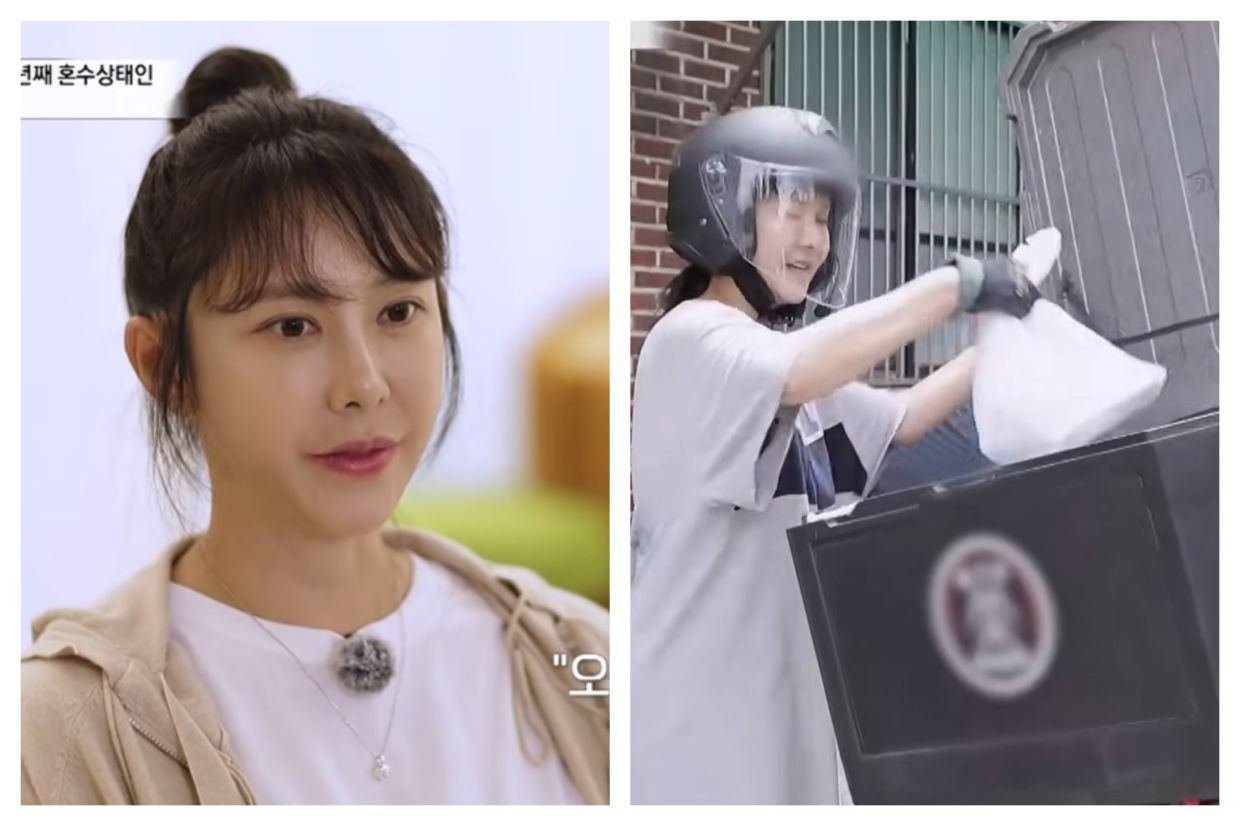
Former South Korean actress Kim Se-in, now 43, has traded the glitz of television sets and film productions for the routine labour of warehouse shifts and food delivery work, a stark career transformation that reflects deeper personal struggles rooted in familial responsibility and financial hardship. The actress, who once held promise as an emerging talent in Korean entertainment, continues juggling multiple part-time positions while maintaining care for 15 rescued animals at her residence—a lifestyle that demands considerable physical and emotional resilience far removed from the entertainment industry's spotlight.
Kim's departure from acting over a decade ago marked a deliberate choice rather than a fading career, though her motivations reveal layers of compulsion tied to circumstance rather than artistic preference. In public remarks discussing her living situation on a television programme, she acknowledged the financial necessity driving her work schedule: "I have to earn every penny I can. I occasionally film commercials, dramas and movies, but I still need to keep working to support my big family." This candid admission suggests that even when entertainment work materialises, the compensation remains insufficient for her household's needs—a commentary on both the precarity of Korean show business and the weight of family obligations she carries.
The roots of Kim's financial burden trace to her family's dramatic reversal of fortune during the 1997 Asian financial crisis, an event that reshaped millions of lives across the region. Born into relative wealth, her childhood comfort evaporated as the family descended into poverty, eventually confined to cramped accommodation lacking basic facilities such as proper bathroom access. This experience of rapid downward mobility appears to have instilled in Kim a sense of urgent responsibility, motivating her entry into the entertainment industry as a potential pathway to economic restoration for her relatives. Her acting debut came through a 2004 film, followed by a notable role in a 2011 sitcom that garnered industry attention and seemed to position her for sustained success.
Yet beneath the surface of her professional advancement lay corrosive conditions that would eventually drive her away from acting entirely. Kim disclosed that her former agency subjected her to exploitative treatment, with her agency head allegedly coercing her into attendance at nightclubs while subjecting her to persistent harassment. The pressure extended to accepting roles requiring nudity—decisions she framed not as artistic choices but as desperate measures to maximise income. "At the time, we needed tens of millions of won, and my family was in such a difficult situation that I felt the need to bear the responsibility," she explained, articulating how financial desperation became a tool for manipulation within the industry system.
The tragic circumstances of her immediate family have only intensified the weight Kim carries into her current life. Her father passed away from a heart attack two years prior, removing a potential source of support or partnership in family responsibilities. More profoundly, her mother has remained in a persistent vegetative state for 15 years following a subarachnoid hemorrhage—a serious form of intracranial bleeding that left her incapacitated and entirely dependent on care. This medical reality means Kim simultaneously shoulders the burden of elder care and financial provision, obligations that cannot be deferred or reduced regardless of her professional circumstances.
Kim's current arrangement—combining warehouse work, food delivery driving, and occasional entertainment roles—represents a pragmatic response to these intersecting pressures. The warehouse position provides stable, predictable income, while delivery driving offers flexibility to manage her care responsibilities and animal sanctuary. The sporadic commercial and dramatic roles she accepts serve as supplementary earnings rather than primary occupation, suggesting she views entertainment work as episodic opportunity rather than career foundation. This diversified approach reflects hard-won wisdom about reliability in unstable circumstances.
The animals under her care—abandoned dogs, rabbits, and chickens numbering 15 in total—add another dimension to her living situation. Rather than representing indulgence, her animal sanctuary appears consistent with her established patterns of extending care and responsibility to vulnerable beings. The decision to maintain this menagerie despite financial constraints suggests philosophical commitment to compassionate action even amid personal difficulty, or perhaps reflects the emotional sustenance these animals provide as counterweight to her demanding circumstances.
Kim's story resonates particularly across East Asian contexts where family obligations traditionally supersede individual aspirations, yet the scale of her sacrifice appears genuinely exceptional. Few individuals voluntarily abandon promising entertainment careers to perform manual labour indefinitely, suggesting the combination of industry exploitation, family crisis, and personal ethics created circumstances she found untenable. Her willingness to speak publicly about her situation—rather than maintaining the facade many celebrities adopt—indicates either remarkable candour or subtle critique of industry standards.
For Malaysian and Southeast Asian audiences, Kim's trajectory offers uncomfortable reflection on how entertainment industries operate across the region. The normalisation of agency pressure, sexual coercion disguised as professional obligation, and wage structures insufficient to support oneself independently affects performers across multiple countries. The 1997 Asian financial crisis, which initiated Kim's family troubles, remains living memory for many Malaysians who experienced similar sudden economic devastation, making her response pattern—sacrificing personal ambitions for family recovery—culturally recognisable if individually extreme.
Moving forward, Kim has articulated her commitment to continued responsibility for her dependents: "I want to keep taking good care of this big family and do my best so I can remain responsible for them until the very end." This statement, while touching, also underscores the absence of alternative prospects or support systems that might eventually relieve her burden. Her warehouse shifts and delivery routes will likely continue indefinitely, representing not a temporary phase but the actual architecture of her adult life—a sobering reminder that talent and industry recognition offer no guarantee of economic security or freedom from relentless obligation.

