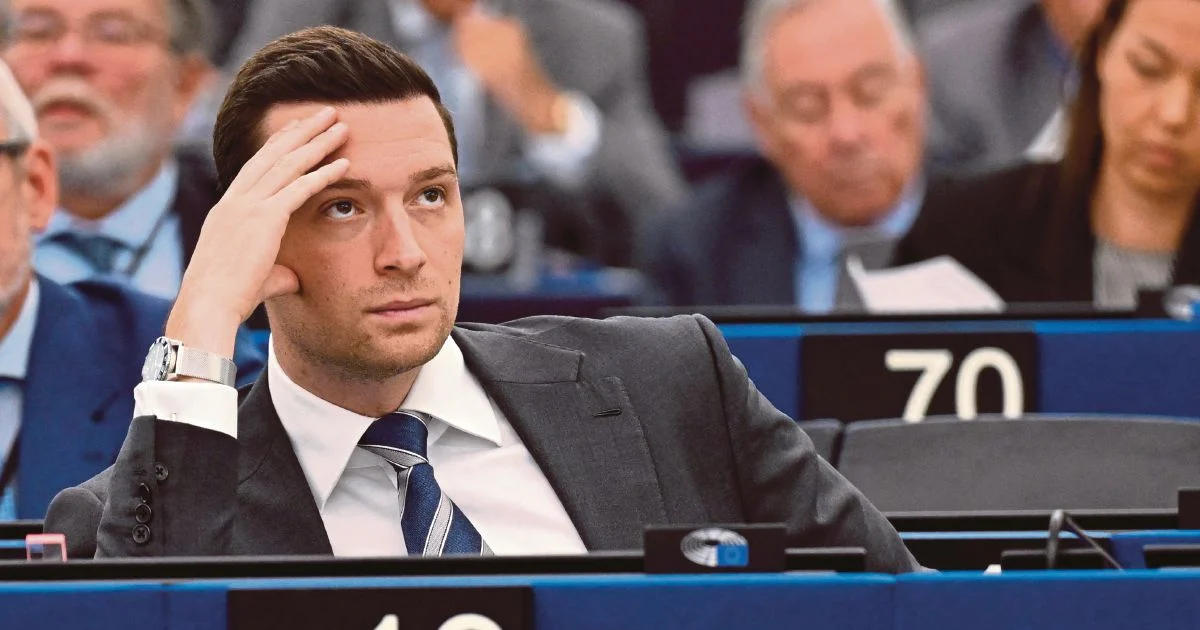
An independent corruption watchdog in France has formally requested that authorities investigate claims that Jordan Bardella, a prominent far-right political figure widely seen as a potential presidential candidate, once occupied a non-existent assistant position within the European parliament. The allegation, disclosed on Tuesday, has ignited fresh controversy around Bardella and his party, National Rally, which has moved to vigorously deny the accusations.
The case touches on a recurring concern in European politics: the potential misuse of EU parliamentary staff positions and allowances. Such roles, which allow members of the European parliament to employ administrative assistants at EU expense, have occasionally become the subject of controversy when the actual work performed does not correspond to official job descriptions or when individuals appear to have been hired despite performing minimal duties. The watchdog's decision to pursue the matter signals serious concern about potential administrative impropriety at the European institution level.
Bardella, who currently serves in a significant role within his party's apparatus, has long positioned himself as a key voice in French far-right politics. His potential candidacy in future presidential elections has made him a frequent target of scrutiny from political opponents and oversight bodies alike. The timing of this investigation adds another layer of complexity to the broader political landscape in France, where questions about financial integrity and proper use of public resources continue to resonate with voters.
The National Rally has responded swiftly and decisively to the allegations, dismissing them as unfounded. The party's stance reflects a broader defensive posture that right-wing movements have increasingly adopted when facing what they characterise as politically motivated challenges from establishment institutions and watchdog bodies. This dynamic—where allegations are presented alongside party denials—has become a familiar pattern in contemporary European politics, particularly involving populist and far-right organisations.
Investigations of this nature, even when they do not result in criminal charges, can significantly impact political figures' public standing and their parties' reputational standing. For Malaysian observers of European politics, this situation illustrates how transparency and accountability mechanisms operate differently across democracies. The role of independent watchdogs in scrutinising public officials and institutions reflects institutional maturity in Western democracies, though such bodies themselves sometimes face criticism regarding their political impartiality.
The allegation centres on whether Bardella was genuinely employed in a capacity that corresponded to his official designation within a European parliamentary member's office, or whether he held the position nominally while engaging in political activities elsewhere. This distinction matters considerably under EU regulations, which establish clear expectations for how assistants should deploy their time and for which lawmakers are responsible for ensuring compliance.
The broader context involves ongoing debates within the European parliament about staff employment practices and the adequacy of existing oversight mechanisms. While the institution has implemented various reforms in recent years aimed at increasing transparency, critics argue that loopholes remain that allow problematic arrangements to persist. This investigation may therefore contribute to conversations about strengthening such controls across European institutions more broadly.
For political analysts tracking European far-right movements, this investigation represents one of several recent efforts to examine the administrative and financial practices of populist parties and their figures. Similar investigations have occurred in multiple European countries, often generating substantial media coverage and public debate about the fitness for office of particular politicians.
The investigation's progression will likely unfold over several months, during which time additional details may emerge through official channels. The nature of such inquiries means that conclusions may not arrive quickly, and the political narrative surrounding Bardella will probably shift as new information becomes available. Throughout this period, both the watchdog and the National Rally will likely issue periodic statements outlining their respective positions.
For Southeast Asian readers tracking global political developments, this situation demonstrates that questions about governmental integrity and the proper use of public resources are not confined to any particular region or political system. European democracies grapple with similar challenges regarding financial transparency and accountability, albeit within different institutional frameworks than those governing Malaysian politics. Understanding how different democracies address such challenges provides useful perspective on the universal nature of governance challenges across diverse political contexts.
The implications extend beyond Bardella himself. Should the investigation substantiate the allegations, it could influence broader European perceptions of National Rally governance standards and affect the party's political fortunes ahead of upcoming elections. Conversely, should the investigation clear Bardella of wrongdoing, it would likely reinforce the party's claims that they face unfair treatment from establishment institutions perceived as hostile to their political agenda.

