France has successfully managed its first Ebola case on home soil, with Health Minister Stéphanie Rist announcing the recovery and hospital discharge of a patient who contracted the virus while working in humanitarian aid operations. The case marks a significant development in Europe's response to the ongoing Ebola crisis affecting Central Africa, and demonstrates the effectiveness of early detection and treatment protocols when deployed swiftly within developed healthcare systems.
The patient arrived in France on June 23 after spending time in the Democratic Republic of the Congo, where one of Africa's deadliest Ebola outbreaks has been unfolding since mid-May. Upon arrival, French health authorities immediately placed the doctor under rigorous medical observation, applying established protocols for individuals returning from Ebola-affected regions. The cautious approach, while limiting the patient's movement and social interaction, proved crucial in preventing any potential spread of the virus within the French population.
What distinguished this case from more severe Ebola presentations was the patient's relatively mild symptom profile. Rather than developing the haemorrhagic complications that characterise the most serious Ebola infections, the individual's condition remained manageable throughout the clinical course. This outcome likely reflected a combination of factors: the patient's underlying health status, the specific viral strain involved, and the quality of medical intervention provided during the acute phase of illness. The favourable prognosis has bolstered confidence in France's capacity to handle potential future cases.
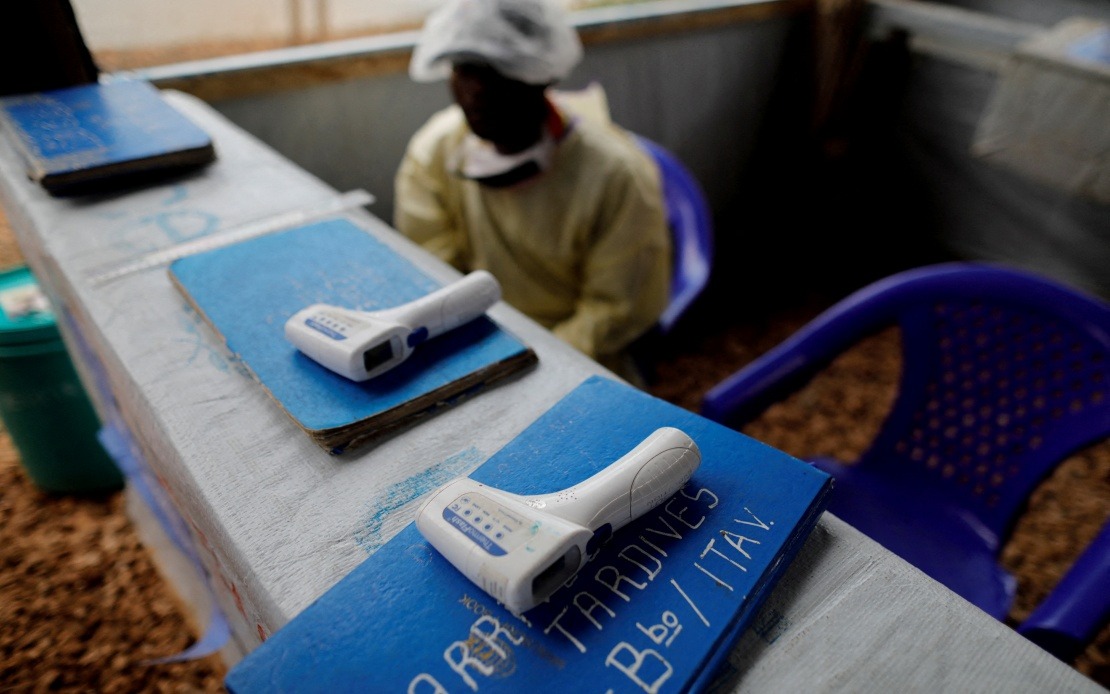
The Democratic Republic of the Congo's current Ebola outbreak represents one of the most severe epidemiological challenges the nation has faced in recent years. Since the outbreak began on May 15, official government tallies have documented 1,502 confirmed cases, with 438 deaths recorded at the time of the French patient's discharge announcement. These figures underscore the scale of the crisis in Central Africa and the ongoing risk faced by healthcare workers, humanitarian staff, and local populations in affected regions.
The fact that the infected individual was a healthcare professional working in humanitarian capacities reflects the particular vulnerability of those providing medical and development assistance in outbreak zones. Humanitarian workers and doctors represent the frontline of response efforts, yet face elevated exposure risks despite training and protective equipment. This case serves as a sobering reminder of the occupational hazards faced by international medical personnel operating in disease-endemic areas.
France's handling of the case has significance beyond its borders. The European Union and other developed nations have established detailed pandemic response frameworks partly in response to the 2014-2016 West African Ebola epidemic, which killed over 11,000 people. Those lessons translated into the rapid identification, isolation, and treatment protocols applied in this instance. The successful outcome demonstrates that when detection occurs early and medical resources are deployed comprehensively, even Ebola—one of humanity's most feared infectious diseases—can be successfully managed within developed healthcare settings.
For Malaysian and Southeast Asian observers, this case carries multiple implications. First, it reinforces the importance of maintaining robust travel health screening procedures for individuals returning from Ebola-affected regions, particularly those who have worked in healthcare or humanitarian settings. Second, it demonstrates that systematic application of proven protocols—isolation, supportive care, and close monitoring—remains effective even for serious viral haemorrhagic fevers. Third, it highlights the continuing threat posed by outbreaks in distant regions and the need for sustained international coordination on disease surveillance and response.
The discharge of France's first Ebola patient without onward transmission also provides reassurance regarding the virus's epidemiology. Ebola does not spread through airborne routes and requires direct contact with bodily fluids for transmission. This biological reality, coupled with swift isolation measures, means that healthcare systems with adequate resources can effectively prevent nosocomial transmission and community spread. The French experience validates this principle in a real-world setting.
Looking forward, the case underscores why the Democratic Republic of the Congo's outbreak demands sustained international attention and resources. While France successfully managed an isolated imported case, the underlying situation in Central Africa remains precarious. Healthcare infrastructure constraints, population displacement from armed conflict, and limited diagnostic capacity in affected regions all complicate outbreak control efforts. International health organisations continue calling for enhanced investment in capacity building and disease surveillance across the region to prevent future spillovers and contain any recurrences.
The recovery story also has implications for how countries frame public health communication around infectious diseases. Rather than fuelling fear, the successful management of this case can underscore the effectiveness of established epidemiological principles when applied with adequate resources and political will. For populations in Southeast Asia concerned about imported infectious disease threats, the French precedent offers a template showing how transparent protocols, rapid response, and proper isolation can neutralise even serious viral threats.

