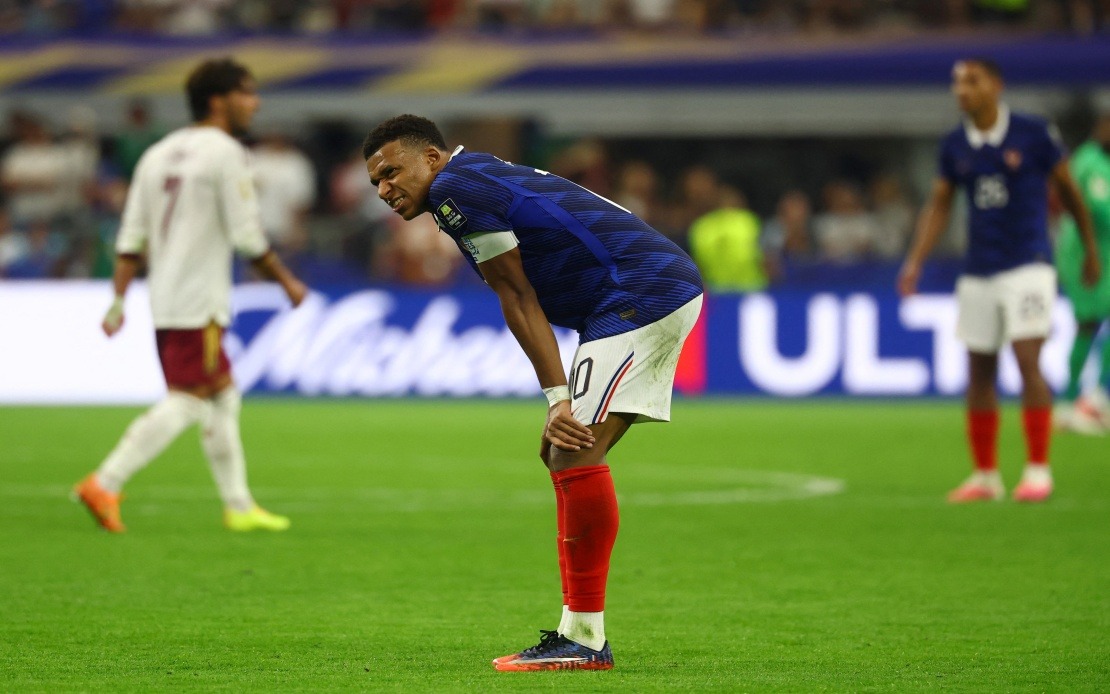
Unrest swept through major French cities on Tuesday evening as more than 160 arrests were made following France's painful 2-0 elimination from the FIFA World Cup semifinal at the hands of Spain. The widespread detentions across Paris and its suburbs, along with separate incidents in Lyon, underscore how deeply sports defeats can trigger civil disorder in nations where football carries profound cultural significance. France's unexpected exit from the tournament sparked spontaneous gatherings that rapidly descended into confrontations with security forces.
The Paris Police Prefecture documented 141 arrests within the capital region alone in the hours following the semifinal match. The bulk of these detentions stemmed from individuals allegedly deploying firework mortars against law enforcement and emergency response personnel who had deployed across the city in anticipation of potential unrest. Such coordinated use of weaponised pyrotechnics represents a troubling escalation in post-match disorder, transforming celebratory spaces into flashpoints requiring heavy police intervention. Fortunately, officials confirmed that no serious physical injuries resulted from these confrontations, though the scale of arrests reflects the intensity with which authorities responded to the disturbances.
In Lyon, the situation followed a comparable pattern despite the smaller geographic footprint of disorder. Hundreds of residents had congregated at Place Bellecour, the sprawling public plaza in the city's heart, to collectively watch France's bid for a second consecutive World Cup victory. The atmosphere shifted dramatically once Spain secured their decisive triumph, as smaller, fluid groups materialised within the larger gathering and began hurling projectiles toward uniformed officers. Among these projectiles were fireworks, echoing the tactics deployed simultaneously in Paris. French riot police mobilised swiftly to contain the emerging chaos, and approximately 20 individuals were taken into custody in connection with the Lyon incidents.
A striking demographic pattern emerged from the enforcement data. The vast majority of those arrested across both cities were reported to have been born between 2002 and 2011, indicating that younger citizens, many still in their teenage years or early twenties, comprised the primary cohort involved in the disturbances. This generational profile raises questions about whether social media coordination, peer influence dynamics, or particular grievances among younger French demographics played a role in mobilising participation. The concentration of youthful detainees also complicates the narrative of spontaneous crowd reactions, suggesting instead more deliberate organisation among certain networks.
The absence of reported serious injuries across both jurisdictions represents a relative success for French security services, given the weaponised nature of some incidents and the sheer volume of people processed through the enforcement system. However, local authorities in Lyon noted that while no significant property destruction occurred in their city, the potential for escalation remained palpable during the immediate aftermath of the match. The distinction between what transpired and what could have unfolded hints at the precarious balance French authorities must maintain when managing post-sporting events, particularly ones involving national elimination from global competitions.
From a Southeast Asian perspective, these events merit attention for several reasons. Malaysia and the broader region have experienced their own instances of football-related disorder, and the French case demonstrates how even wealthy, institutionally developed democracies struggle to prevent matches—particularly knockout competitions—from catalysing violence. The World Cup's unique global reach means outcomes resonate far beyond participating nations' borders, and the mechanisms triggering disorder in Paris carry instructive parallels for how similar scenarios might unfold in Asian cities during major tournaments. The reliance on heavy police presence and riot control measures reflects approaches increasingly familiar across the region.
France's exit from the World Cup represented a significant historical moment, as the nation had reached the final four years earlier and were among the tournament's favourites. Spain's dominance in the semifinal, crystallised in the clean-sheet victory, left French supporters processing not merely disappointment but the sting of underperformance on the world's premier sporting stage. This emotional intensity provides crucial context for understanding why relatively large numbers of individuals engaged in illegal conduct rather than simply accepting the result with resignation. In football-obsessed societies, such matches become proxies through which national identity, pride, and collective efficacy are processed.
The swift detention of 141 people in Paris demonstrates the extensive surveillance infrastructure and rapid-response protocols French authorities maintain for high-stakes sporting events. Such capability remains concentrated among developed Western nations, though several Southeast Asian countries have invested increasingly in similar systems. The question of proportionality arises when considering whether mass arrests constitute effective crowd management or whether alternative de-escalation strategies might address underlying frustrations more constructively. The youth demographic involved suggests that engagement approaches beyond enforcement might prevent future iterations of such disorder.
Investigative follow-up will likely determine whether the arrested individuals face charges or whether processing and release constitutes the primary consequence of their detention. French law provides graduated responses to post-match disorder, ranging from warnings to serious criminal charges depending on the nature and severity of alleged offences. Those accused of deploying fireworks against police face more substantial legal jeopardy than those detained for lesser infractions. The ultimate disposition of these cases will signal how seriously French courts treat sports-related violence and may influence deterrence calculations among potential participants in future sporting disturbances.

