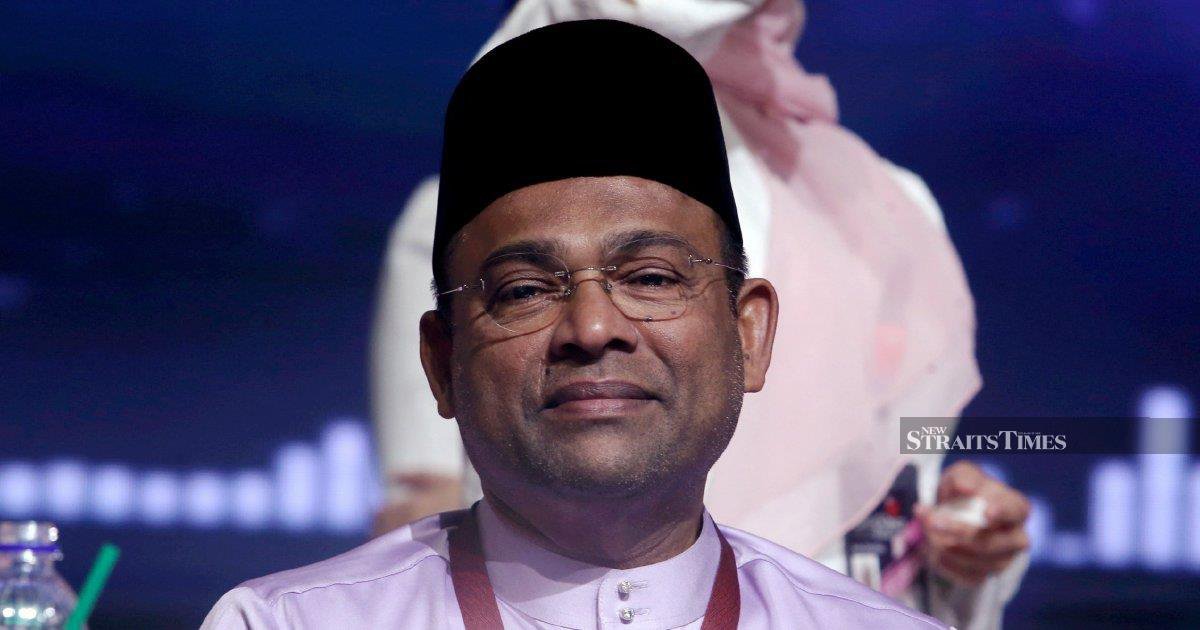
Datuk Seri Abdul Azeez Abdul Rahim, who previously led Tabung Haji, has dismissed pressure from Bersatu to clarify his status in the Malaysian Anti-Corruption Commission's investigation connected to the Royal Commission of Inquiry findings on the pilgrim fund. The former chairman's position suggests that any scrutiny directed at him may lack substantive basis, given that the RCI report itself did not single him out for particular attention.
The Royal Commission of Inquiry into Tabung Haji's operations represented a significant accountability mechanism, tasked with examining governance lapses and financial irregularities at the institution. Such inquiries typically emerge when public funds face questions regarding mismanagement or misconduct. The RCI's mandate would have been to establish whether systematic failures occurred and to identify those bearing responsibility at various levels of the organization.
Tabung Haji operates as a critical pillar of Malaysia's Islamic financial ecosystem, managing billions of ringgit in savings from pilgrims preparing for the Hajj journey. The fund's health directly affects millions of Malaysian Muslims relying on its services for their spiritual obligations. Any governance concerns therefore carry implications beyond corporate accountability, touching on public trust in institutions managing religious endowments and savings.
Bersatu's call for Azeez to address MACC contact allegations appears designed to generate political momentum around Tabung Haji governance questions. Opposition parties frequently leverage such inquiries to cast aspersions on predecessor administrations or political rivals, particularly when institutions have experienced difficulties. The fact that Azeez's name does not feature prominently in the RCI report suggests either that his tenure preceded the period under examination or that his stewardship did not trigger the specific concerns the commission investigated.
The distinction between appearing in an RCI report and being contacted by MACC carries procedural importance. An RCI report documents findings based on its investigation and legal mandate, while MACC inquiries operate independently according to anti-corruption legislation. A person may be questioned by anti-corruption authorities without necessarily being named in public reports. Azeez's response indicates he sees no obligation to confirm conversations with law enforcement agencies, a position many public figures adopt when asked about investigative contacts.
Tabung Haji's governance trajectory has become a touchstone for broader discussions about institutional accountability in Malaysia's Islamic finance sector. The fund's challenges have prompted regulatory review and operational restructuring aimed at restoring confidence among contributors. These remedial measures reflect official concern about operational standards and fiduciary responsibility, validating the need for thorough institutional examination.
The timing of Bersatu's intervention warrants consideration within Malaysia's political context. Political parties routinely exploit governance scandals to advance partisan agendas, particularly when new administrations inherit institutions experiencing difficulties from previous tenures. Calls for officials to publicly answer questions about enforcement agency contact often serve as political theater rather than substantive accountability mechanisms, though legitimate public interest may also underpin such demands.
Azeez's refusal to engage further with this particular controversy reflects a strategic calculation that additional commentary may only invite further scrutiny. Public figures facing political pressure often adopt minimalist responses when direct accusations lack clarity or evidentiary support. By emphasizing that the RCI report itself did not implicate him, Azeez positions himself as extraneous to the central findings, thereby undercutting pressure to answer questions formulated on premises he disputes.
The broader Tabung Haji situation underscores ongoing challenges facing Malaysian public institutions in maintaining governance standards and public confidence. As the fund continues navigating regulatory reforms and operational improvements, clarity regarding accountability for any identified failures becomes essential. This case illustrates how governance inquiries intersect with political dynamics, sometimes obscuring rather than illuminating the genuine institutional questions requiring resolution.
Moving forward, substantive examination of Tabung Haji's governance requires distinguishing between documented findings requiring action and political positioning seeking to capitalize on institutional difficulties. The RCI report presumably identified specific operational or financial deficiencies requiring corrective measures by current and future leadership. Whether individual former executives bear responsibility for those findings depends on evidence and proper investigative procedures rather than political assertions or public disputes about media contact.

