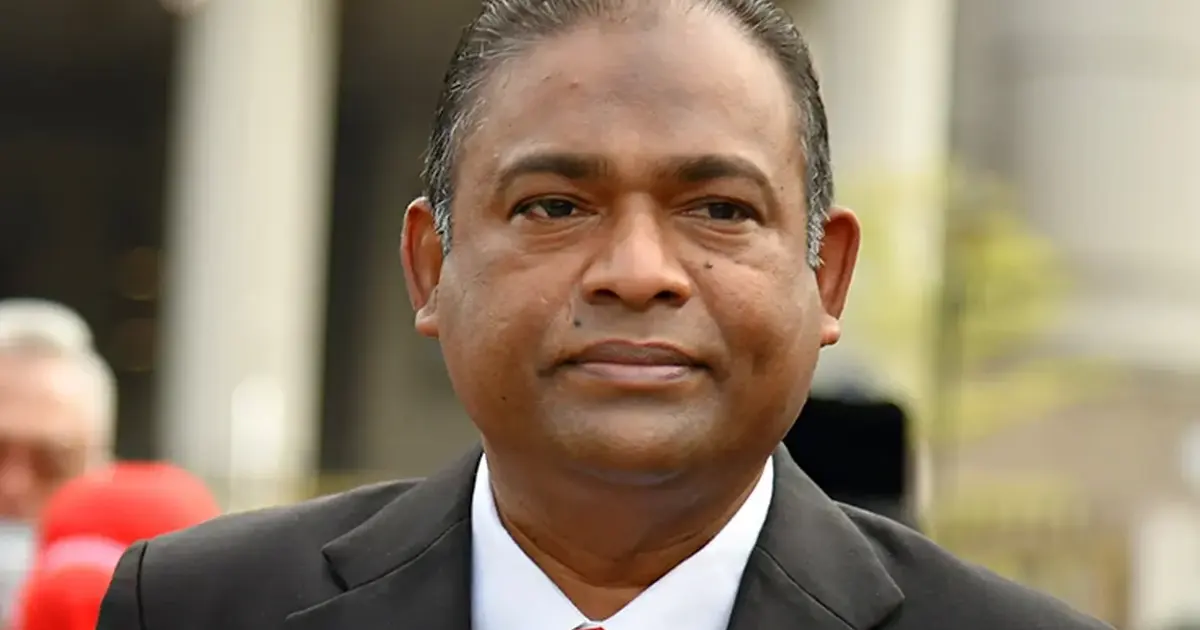
Rumors coursing through social media suggesting that Abdul Azeez Abdul Rahim, the former chairman of Tabung Haji and one-time Member of Parliament for Baling, had been detained by authorities proved unfounded on Thursday, according to a clarification issued by his son. The speculation gained considerable traction online overnight, with multiple unverified accounts claiming enforcement action had been taken against the prominent figure.
The emergence of such claims highlights the speed at which misinformation can spread through Malaysia's digital ecosystem, particularly when it involves politically connected personalities or major institutional figures. Tabung Haji, formally known as the Pilgrimage Fund Board, holds significant standing in Malaysian public discourse as it manages the savings of millions of Malaysians preparing for the hajj pilgrimage. Any allegation touching on its leadership inevitably captures public attention and generates discussion across messaging platforms and social networks.
Abdul Azeez Abdul Rahim's tenure at Tabung Haji and his previous parliamentary representation give him prominence within both financial and political circles. His position as former Baling MP connects him to the northern Kedah constituency, a region with its own distinct political dynamics. The confluence of his roles in both sectors means that allegations concerning him would reasonably trigger interest among observers monitoring either institutional governance or electoral politics.
The Malaysian Anti-Corruption Commission, or MACC, regularly conducts investigations into allegations of misconduct within the public and private spheres. The agency's enforcement activities frequently draw public scrutiny, and any suggestion of action against well-known figures swiftly becomes material for online discussion. This pattern reflects broader concerns within Malaysian society regarding institutional accountability and the conduct of those holding positions of trust.
The son's denial, delivered through available channels, serves as a necessary counterweight to uncorroborated claims proliferating online. In an information environment where verification often lags behind assertion, the responsibility falls increasingly on those directly involved to address inaccuracies promptly. The family's intervention underscores how damaging unsubstantiated allegations can prove, particularly when they gain algorithmic amplification or organic sharing momentum.
For ordinary Malaysians following events through social media, distinguishing between confirmed reporting and speculative rumor has grown increasingly challenging. The incident illustrates how institutional figures become subjects of information contests in which competing narratives jostle for dominance before official clarification materializes. This dynamic particularly affects perception of governance institutions and public confidence in their operations.
Tabung Haji itself has faced scrutiny in recent years concerning governance practices and financial management. Media coverage of institutional challenges provides context for why any developments touching its leadership warrant attention. Past controversies ensure that current rumors find fertile ground for circulation, as they connect to established narratives about institutional reform and accountability that resonate with significant portions of the Malaysian public.
The timing of such rumors, emerging without clear sourcing or verification, raises questions about information hygiene within digital platforms. Whether the speculation arose from genuine confusion, deliberate misinformation, or simply premature sharing of incomplete information remains unclear. Regardless of origin, the incident demonstrates how quickly claims can achieve widespread circulation before fact-checking mechanisms engage meaningfully.
For policymakers and observers concerned with information integrity and public discourse quality, such episodes illuminate recurring vulnerabilities. Malaysia's relatively high social media penetration and active engagement with messaging platforms create conditions where unverified claims find audiences rapidly. The phenomenon affects not only individual reputations but potentially broader institutional confidence when rumors touch sensitive areas like anti-corruption enforcement or financial management.
Moving forward, the incident serves as reminder that claims requiring extraordinary substantiation deserve extraordinary scrutiny before amplification. For the families and institutions affected by speculation, prompt clarification remains the most effective initial response, though institutional accountability ultimately depends on formal channels and verified investigation rather than social media statements alone.

