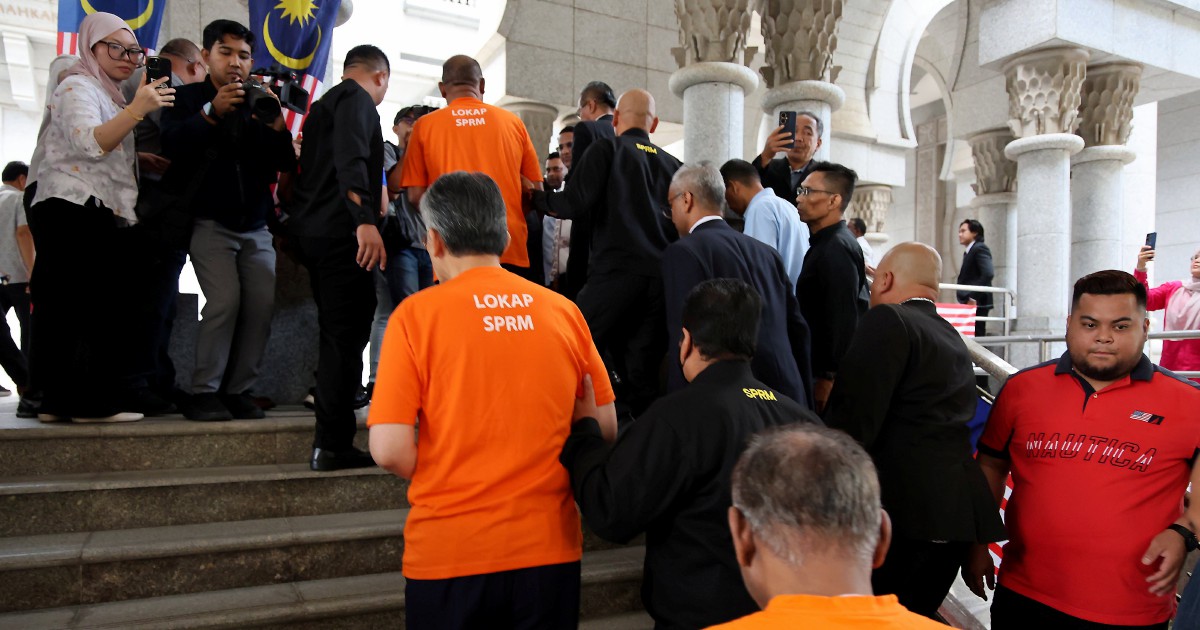
The Malaysian Anti-Corruption Commission succeeded in extending the detention of a former chief executive of Tabung Haji by four days, marking another significant development in the sprawling investigation into misconduct at Malaysia's Islamic pilgrimage savings institution. The extension was granted in Putrajaya, underscoring the gravity of the allegations being pursued and the commission's determination to deepen its examination of governance failures at the fund.
The former executive's continued custody reflects the MACC's assessment that further interrogation is essential to uncover the full scope of activities that may have violated anti-corruption laws. The extension demonstrates that investigators have identified avenues requiring additional probing, suggesting the case extends beyond surface-level wrongdoing into what may be a complex institutional failure affecting millions of Malaysian pilgrims and their savings.
Tabung Haji has long been a focal point of public concern regarding financial stewardship. The institution manages contributions from Malaysian Muslims saving for the Hajj pilgrimage to Mecca, making it a repository of trust and substantial national funds. Recent allegations and scrutiny have cast a shadow over governance standards at the fund, with the Royal Commission of Inquiry having previously examined circumstances that led to significant financial underperformance and potential mismanagement.
The MACC's actions represent the formal corruption investigation apparatus responding to findings that emerged from the Royal Commission's examination. Such inquiries typically precede criminal investigations when evidence suggests potential breaches of the Malaysian Anti-Corruption Commission Act and related legislation. The extension request signals that investigators have presented credible grounds to judicial authorities for extending the remand period.
For Malaysian depositors relying on Tabung Haji for their pilgrimage savings, developments like this carry weight beyond the courtroom. Public confidence in the institution's ability to safeguard contributions and operate transparently depends on visible accountability when wrongdoing is suspected. The commission's vigorous pursuit of this investigation sends a message that institutional positions and authority do not shield individuals from scrutiny.
The detention and extension process follows standard Malaysian legal procedure, where anti-corruption authorities must obtain approval from courts to hold suspects beyond initial periods. The four-day extension indicates judicial acceptance that the MACC has demonstrated reasonable suspicion warranting continued investigation. Each subsequent extension typically requires fresh justification and evidence presentation.
The investigation's connection to the Royal Commission of Inquiry provides important context. Such commissions are established to examine circumstances of public concern, typically involving allegations of serious administrative or financial irregularity. The RCI's work would have identified specific concerns subsequently referred for criminal investigation, providing a roadmap for the MACC's prosecutorial strategy.
For investors and account holders at Tabung Haji, the current investigations raise questions about institutional governance mechanisms that may have failed to prevent or detect alleged misconduct. Whether individual actors exploited weaknesses in oversight, or whether systemic failures created opportunities for abuse, remains to be fully established through the investigation and any subsequent legal proceedings.
The MACC investigation into former leadership at major Malaysian institutions has intensified in recent years, reflecting broader governmental commitment to anti-corruption efforts. High-profile cases involving statutory bodies responsible for public funds have demonstrated that investigative agencies will pursue allegations regardless of the seniority or status of individuals involved. This approach aims to strengthen institutional integrity across the public sector.
The extended remand period allows investigators to examine financial records, communications, and testimonies related to decisions that may have compromised Tabung Haji's financial position or operational integrity. The specifics of allegations against the former CEO remain subject to investigation, with formal charges pending the conclusion of the MACC's examination.
Stakeholders monitoring this case include Tabung Haji depositors anxious about fund security, regulatory bodies overseeing Islamic finance in Malaysia, and members of Parliament with constituent concerns about governance at the institution. The outcome will likely influence future regulatory frameworks for similar entities managing public savings, particularly those with religious or cultural significance.
As investigations proceed, the broader question of how Malaysia's public institutions can strengthen governance and prevent similar situations remains relevant. The Tabung Haji case demonstrates vulnerabilities that can emerge even in organisations with significant public oversight and religious accountability. Learning from identified failures will be essential for protecting future depositors and preserving institutional credibility.
The coming weeks will determine whether the extended remand yields sufficient evidence for formal charges or alternative investigative conclusions. Malaysian legal proceedings involving corruption allegations typically move carefully through interrogation, evidence gathering, and prosecution preparation phases before formal charging decisions are made.

