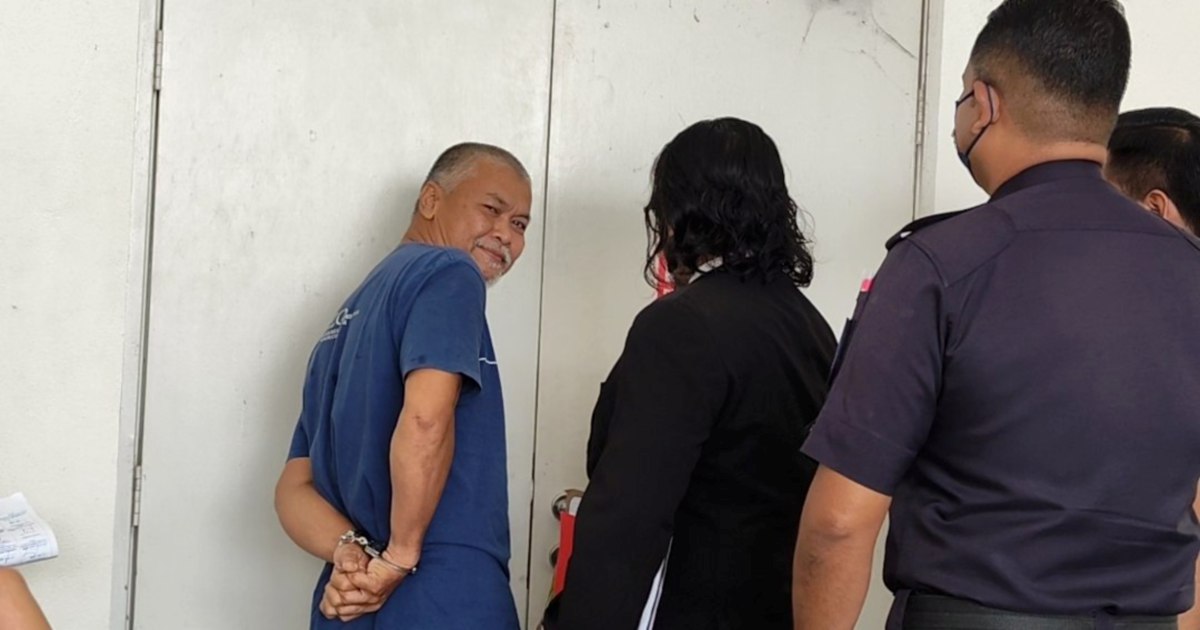
A former soldier appeared in Kangar courts today facing multiple charges stemming from the discovery of an unauthorised weapons cache, in what authorities say highlights ongoing concerns about firearm security among former military personnel in Malaysia. The ex-serviceman was arraigned in both the Sessions Court and magistrate's court, where he confronted five distinct counts relating to the possession of operational firearms, replica weapons, and hundreds of rounds of ammunition found during a search operation earlier this month.
The discovery of the illegal arsenal has raised fresh questions about the screening and monitoring procedures applied to military veterans once they leave active service. Malaysian security agencies have grown increasingly vigilant following several high-profile incidents in recent years involving former armed forces personnel and illicit weapon stockpiles. The case underscores the potential security risks when individuals with military training retain access to prohibited weapons outside official channels.
Detailed information about how the weapons came to be in the defendant's possession remains under investigation. Prosecutors have indicated that the ammunition haul was particularly substantial, suggesting a level of preparation that extends beyond casual possession. The accumulation of such quantities raises questions about whether the accused intended to retain the items for personal use or potentially for other purposes, though officials have not yet disclosed their working theories.
The Sessions Court proceedings mark the more serious phase of the legal action, as charges brought there typically carry heavier potential penalties than those handled by magistrates. The decision to pursue cases simultaneously in both forums reflects the prosecution's assessment of the gravity of the offences. Under Malaysian firearms legislation, unauthorised possession of weapons and ammunition constitutes serious criminal violations, particularly when large quantities are involved.
The case comes at a time when Southeast Asian nations are grappling with tighter controls over civilian firearm ownership and the prevention of weapons smuggling across international borders. Malaysia has progressively strengthened its firearms regulations over the past decade, implementing stricter licensing requirements and penalties for violations. The incident in Kangar suggests that enforcement challenges persist despite these legislative efforts.
Former military personnel occupy a unique position within Malaysian society, having received formal training in weapon handling and tactical operations. While the vast majority of veterans transition seamlessly into civilian life and maintain respect for weapon regulations, security officials acknowledge that a small minority may retain weapons or ammunition from their service years or acquire them through unauthorised channels. This case appears to fall into that category.
The particular location of Kangar, the capital of Perlis state in northern Malaysia, adds a geographical dimension to the investigation. Perlis borders Thailand across the northern frontier, and law enforcement agencies in the region are regularly engaged in countering smuggling activities and cross-border crime. The recovery of such an arsenal in this strategic location has prompted consideration of whether there are connections to broader regional security concerns, though prosecutors have not publicly linked this incident to international criminal networks.
The authorities have not yet disclosed the specific types of firearms recovered or detailed specifications of the ammunition cache. Such information typically emerges during the trial proceedings as evidence is presented. The quantity of ammunition alone—described as numbering in the hundreds of rounds—suggests the defendant possessed sufficient firepower to cause significant harm if the weapons had been deployed.
The judicial proceedings will unfold over coming months, with the Sessions Court handling the most serious charges. The magistrate's court component of the case will address any additional or related offences. Should the former soldier be convicted on all counts, he faces the prospect of substantial prison sentences and heavy fines under Malaysia's weapons legislation. The sentencing outcomes of this case may also influence how prosecutions of similar offences are handled nationally.
This prosecution occurs within a broader Malaysian context of heightened security consciousness. Government agencies have intensified their focus on preventing weapons proliferation and ensuring that former military and police personnel comply with civilian firearm regulations. The establishment of dedicated task forces to investigate weapons-related crimes reflects official commitment to maintaining public safety and preventing potential armed incidents.
For the defence, establishing lawful reasons for possessing the firearms and ammunition will be crucial, though authorisation requirements under Malaysian law are stringent. Veterans do not automatically retain the right to carry weapons upon discharge. The systematic nature of the charge—with five separate counts—suggests prosecutors have documented multiple distinct violations rather than treating the entire cache as a single offence.
The case will likely influence ongoing policy discussions about veteran transition programmes and the need for improved monitoring systems following military discharge. Malaysian defence and security officials may use the outcome to refine their protocols for ensuring that weapons and sensitive materials are properly accounted for throughout the separation process. The Kangar incident, though involving a single individual, reflects systemic challenges that require sustained attention from multiple government agencies.

