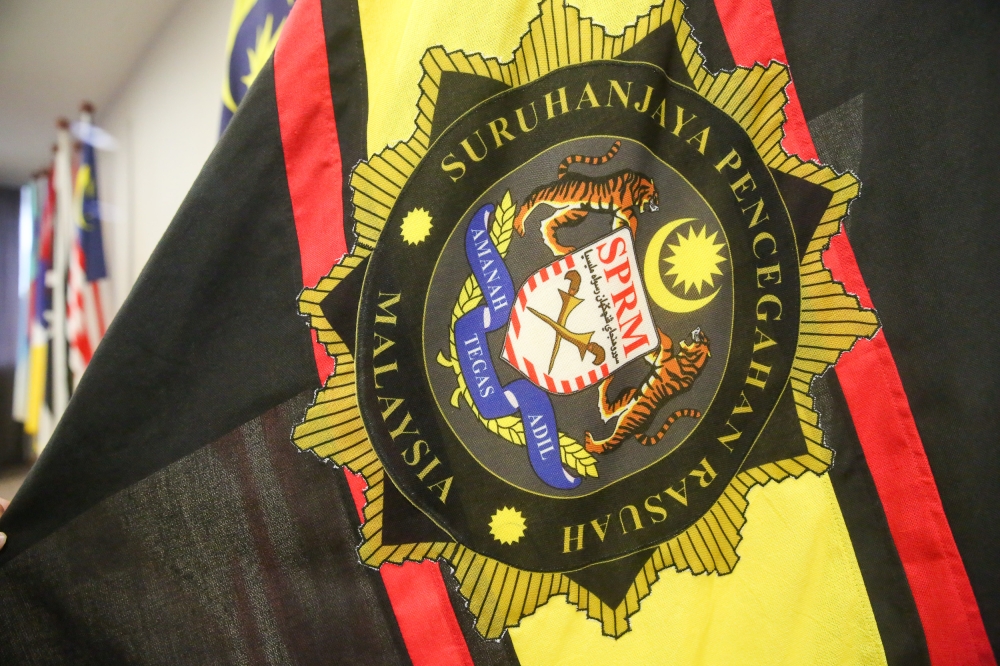
The Malaysian Anti-Corruption Commission has expanded its investigation into alleged misuse of Tabung Haji funds by detaining a former manager of a rubber sapling supply operation based in the Klang Valley. The detention centres on a questionable contract valued at RM8 million that has come under scrutiny during the ongoing Royal Commission of Inquiry into the hajj fund manager's affairs.
This development signals a broadening of the corruption investigation beyond senior management into the supply chain itself, suggesting investigators are tracing how funds designated for Islamic pilgrimage services may have been diverted through commercial arrangements. The focus on a rubber sapling supplier—a commodity business seemingly unrelated to hajj operations—raises questions about the mechanisms through which irregular transactions might have occurred within Tabung Haji's procurement processes.
The Tabung Haji Royal Commission of Inquiry, initiated to examine financial irregularities and governance failures at Malaysia's pilgrim fund manager, has already prompted multiple investigations into contracts and transactions spanning several years. This case appears to represent the investigation's expansion into vendor relationships, suggesting authorities are examining whether suppliers were artificially inflated in scope or pricing as a means to funnel money to connected parties.
For Malaysian readers unfamiliar with Tabung Haji's significance, the institution manages savings for approximately 650,000 pilgrims annually and holds billions in assets. The credibility of this critical financial institution depends on transparent, arms-length commercial dealings. Allegations of contract irregularities strike at the heart of public trust, particularly among the Muslim majority who depend on Tabung Haji's safety and integrity.
The choice of rubber saplings as the subject of investigation is noteworthy within Malaysia's agricultural and commercial context. Rubber remains a traditional export commodity, and sapling supply contracts could theoretically serve legitimate horticultural projects. However, if these purchases were unnecessary, overpriced, or never actually delivered, they would represent a textbook method for siphoning public funds—a technique that leaves documentary evidence in procurement files and accounting records.
Investigators from the anti-corruption agency are likely examining purchase orders, invoices, delivery documentation, and recipient accounts to reconstruct the transaction chain. The detention of the estate manager suggests authorities believe this individual possesses crucial information about whether genuine goods were supplied, at what actual cost, and whether payments were directed to intended recipients or diverted elsewhere.
The implications extend beyond a single procurement irregularity. If Tabung Haji's purchasing controls allowed an RM8 million contract for rubber saplings to proceed without proper scrutiny, this indicates systemic weaknesses in governance that could have enabled other questionable transactions. The Royal Commission's mandate likely encompasses examining and recommending reforms to internal controls, audit procedures, and board oversight mechanisms.
Southeast Asian observers should note that this investigation reflects Malaysia's strengthened anti-corruption enforcement under current institutional frameworks. The MACC's ability to detain suspects and pursue complex financial investigations demonstrates commitment to accountability, though critics argue investigations have sometimes been selective. This case, affecting a significant Islamic financial institution, suggests no sector or institution is automatically shielded from scrutiny.
The detention also carries political dimensions. Tabung Haji's governance has been subject to public and parliamentary debate, with opposition figures demanding accountability and government officials pledging transparency. Each development in the RCI investigation shapes public perception of whether previous administrations permitted or tolerated financial mismanagement.
For potential witnesses and others connected to Tabung Haji's procurement operations, this detention signals that cooperation with investigators is important. Individuals who can provide evidence of contract irregularities, inflated pricing, or fraudulent documentation may face legal jeopardy themselves if their roles are discovered, creating incentives for early disclosure.
The investigation's progress will be closely monitored by the banking and finance sector, where concerns about governance standards at major institutions can affect confidence and compliance culture. Auditors, board members, and management at other large Malaysian funds will be assessing whether the Tabung Haji case suggests need for enhanced internal controls and external oversight.
As investigations continue, authorities will likely pursue additional leads among Tabung Haji's former and current staff, board members, and external parties who benefited from contracts awarded during the period under RCI examination. The rubber sapling case appears to be one thread in a larger tapestry of alleged financial irregularities that the commission is systematically unraveling.

