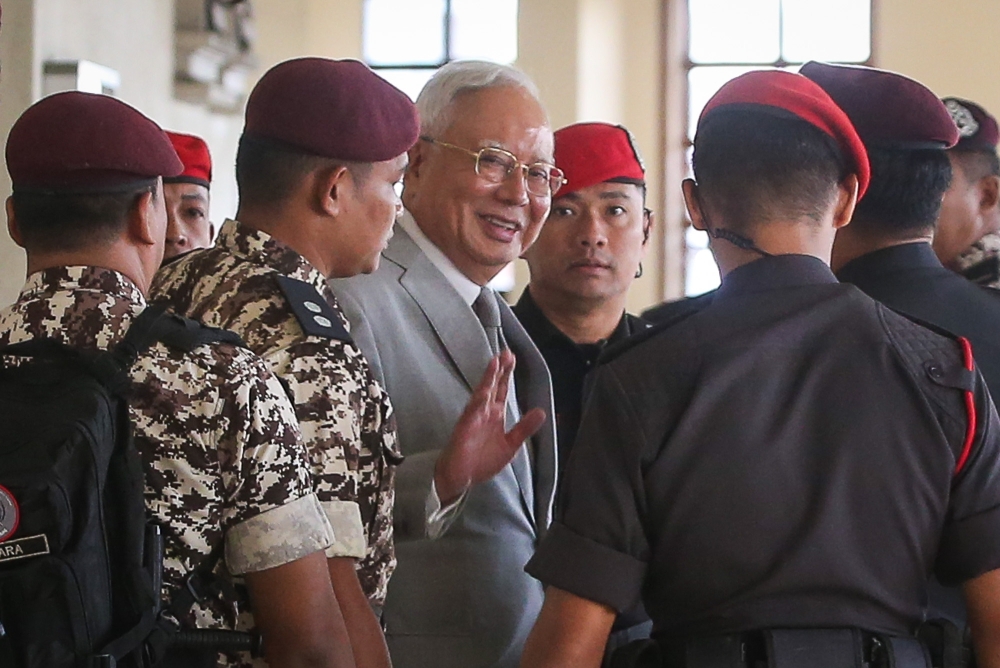
Former Prime Minister Datuk Seri Najib Razak will proceed with a planned heart procedure, his legal counsel announced on Wednesday, marking a significant development in the personal health circumstances of Malaysia's most prominent political figure currently entangled in the country's most consequential corruption investigation. The confirmation from his lawyer underscores the intersection of Najib's deteriorating health condition and his continuing legal battles, which have dominated Malaysian political discourse since his removal from office in 2018.
The procedure represents a routine but necessary medical intervention for Najib, who has been navigating multiple court cases related to allegations surrounding the 1Malaysia Development Berhad (1MDB) scandal. His legal representative's public acknowledgement of the forthcoming surgery indicates transparency regarding his medical status, a notable gesture given the intense scrutiny surrounding his political standing and judicial proceedings. This announcement carries implications for the judicial calendar, as Najib's medical obligations may influence the scheduling of upcoming court hearings and legal proceedings scheduled in the coming months.
Najib's health situation arrives at a delicate juncture for the former United Malays National Organisation (UMNO) president, who has maintained his innocence throughout multiple convictions and ongoing appeals. The former premier has been a polarizing figure since his administration's downfall, with his supporters arguing political persecution while his detractors emphasize the gravity of corruption allegations. His health challenges inevitably complicate the broader political narrative surrounding his legacy and future role within Malaysian politics, particularly as he navigates the appeals process for convictions handed down by Malaysian courts.
The Malaysian public healthcare and judicial systems have both been observers of Najib's circumstances, with the former's capacity to manage high-profile cases and the latter's handling of the extensive litigation demonstrating broader institutional resilience. The confirmation of this medical procedure also highlights how personal circumstances of major political figures can intersect with governance and legal processes, a phenomenon not uncommon in Southeast Asian politics where prominent leaders often find themselves simultaneously managing health concerns and criminal proceedings.
From a regional perspective, Najib's case remains instructive for neighbouring countries grappling with anti-corruption mechanisms and accountability frameworks. The Malaysian experience has influenced discussions across Southeast Asia regarding institutional strengthening and the application of legal remedies in high-profile corruption cases. His continued prominence, despite his legal circumstances, reflects UMNO's internal complexities and the broader divisions within Malaysia's political establishment regarding how to address historical figures implicated in misconduct.
The procedural nature of this announcement suggests Najib's legal team is managing expectations and maintaining regular communication with relevant authorities regarding his medical obligations. Such coordination ensures that his health requirements do not inadvertently interfere with judicial proceedings or raise questions about the continuity of legal processes. This calculated approach to public communication reflects the sophisticated political and legal machinery surrounding former prime ministerial figures, even when they face serious allegations.
Medical interventions of this nature, while routine in contemporary healthcare, carry particular significance when involving individuals of Najib's political stature. Malaysian media and political observers will likely scrutinize both the procedure itself and its implications for his legal calendar, given that health-related delays or complications could reshape the timeline for resolution of his multiple cases. The timing of this announcement in the Malaysian political cycle adds another layer of complexity to discussions about his potential future rehabilitation or continued marginalization within UMNO.
For Malaysian citizens and regional observers, this development underscores the reality that even the most prominent political figures remain subject to ordinary human vulnerabilities. Najib's predicament—simultaneously managing serious criminal allegations while attending to personal health crises—serves as a pointed reminder of how dramatically political fortunes can reverse and how comprehensively legal systems can pursue accountability, regardless of a defendant's former position or status.
The Malaysian judiciary's management of this case, alongside Najib's medical needs, will test institutional maturity in balancing individual rights, legal process integrity, and the broader public interest in corruption accountability. How the courts accommodate his medical requirements while maintaining the momentum of ongoing proceedings will signal something meaningful about Malaysian institutional development and the degree to which elite accountability operates equitably within the system. Regional governments watching Malaysia's handling of this exceptional case often consider its implications for their own approaches to high-level corruption prosecution.

