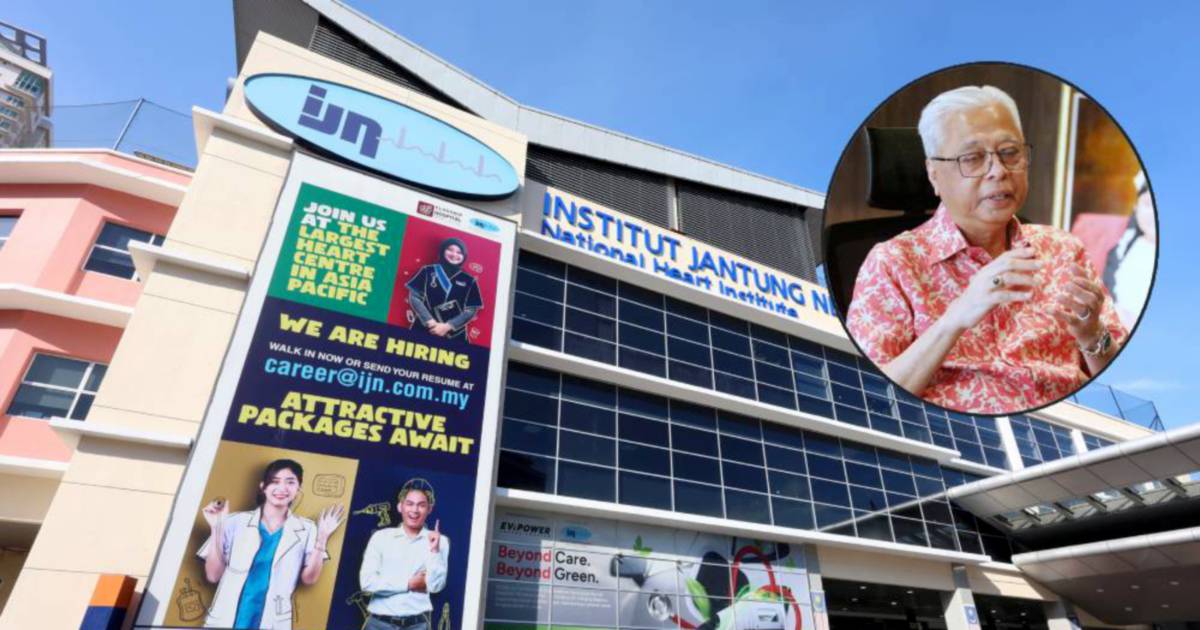
Former Prime Minister Datuk Seri Ismail Sabri Yaakob has successfully undergone a leadless pacemaker implantation procedure at the National Heart Institute (IJN) in Kuala Lumpur after being admitted for treatment of an abnormal heart rhythm. The procedure, which addresses a cardiac condition affecting the regularity of his heartbeat, has been completed without complications, marking a positive outcome for the 66-year-old politician who served as Malaysia's eighth Prime Minister from August 2021 to November 2022.
The use of a leadless pacemaker represents a significant advancement in cardiac care technology compared to traditional pacemaker systems. Unlike conventional devices that require leads—thin wires connecting the pacemaker to the heart—leadless pacemakers are self-contained units implanted directly within the heart chamber. This innovation reduces the risk of certain complications associated with lead-related issues, including infections at insertion sites and mechanical failures of the wiring components. For patients like Ismail Sabri, this approach offers enhanced safety and durability, with many leadless devices engineered to function reliably for extended periods without requiring replacement or maintenance procedures.
Abnormal heart rhythms, medically termed arrhythmias, occur when electrical signals that regulate the heartbeat become irregular or too slow, a condition known as bradycardia when the heart rate falls below normal levels. Such conditions can lead to dizziness, fatigue, shortness of breath, or in severe cases, complications that impact daily functioning. The decision to implant a pacemaker typically follows comprehensive diagnostic evaluation including electrocardiograms and continuous monitoring to determine whether pharmacological treatments or medical devices are necessary. In Ismail Sabri's case, the severity of his arrhythmia warranted the device implantation as the most appropriate therapeutic intervention.
The National Heart Institute, Malaysia's premier cardiac care facility, has been instrumental in treating this former high-ranking government official. IJN specialises in complex cardiac procedures and maintains advanced infrastructure for interventional cardiology and cardiac surgery. The institution's expertise in leadless pacemaker implantations reflects the sophistication of cardiac care now available within Malaysia's healthcare system, reducing the necessity for Malaysian patients to seek such specialised treatments abroad.
Following the successful procedure, medical advisors have recommended that Ismail Sabri observe a period of rest and recovery to allow his body to adapt to the newly implanted device. Standard post-operative care for pacemaker patients typically includes restrictions on strenuous physical activity and monitoring for any adverse reactions during the initial weeks following implantation. These precautions ensure the device settles properly within the cardiac tissue and allows the heart's electrical system to synchronise effectively with the pacemaker's function.
The incident highlights health concerns that can affect political leaders and public figures regardless of their status or previous roles. Cardiac health issues are prevalent across all demographic groups in Malaysia, and the condition affecting the former Prime Minister underscores the importance of regular health monitoring and prompt medical intervention when cardiac symptoms emerge. Early detection and appropriate treatment of arrhythmias can prevent serious complications and maintain quality of life.
For the broader Malaysian public, Ismail Sabri's recovery and return to his residences serves as a reminder of the critical importance of cardiac screening and awareness. Heart rhythm disorders often present subtly, with symptoms that individuals might initially attribute to stress or fatigue rather than serious medical concerns. The availability of advanced treatment options like leadless pacemakers at local institutions demonstrates Malaysia's growing capacity in healthcare technology, potentially improving outcomes for thousands of patients facing similar cardiac conditions.
The former Prime Minister's hospitalisation and treatment also reflects the continuity of the nation's political leadership. Despite his departure from the office of Prime Minister, Ismail Sabri remains an active figure in Malaysian politics as a Member of Parliament and senior politician within the United Malays National Organisation (UMNO). His swift recovery and recommended rest period are expected to allow him to resume his parliamentary and political responsibilities in due course, though at a carefully managed pace.
The successful completion of the pacemaker procedure reinforces confidence in Malaysia's cardiac care infrastructure and the competence of medical professionals at leading institutions like IJN. As the nation continues to advance its healthcare capabilities, such cases demonstrate the depth of expertise available domestically, enabling complex cardiac interventions to be performed safely and effectively without requiring patients to travel internationally for specialist treatment. The outcome of Ismail Sabri's procedure contributes to the growing body of evidence supporting the quality and reliability of Malaysian cardiac medicine on the international stage.

