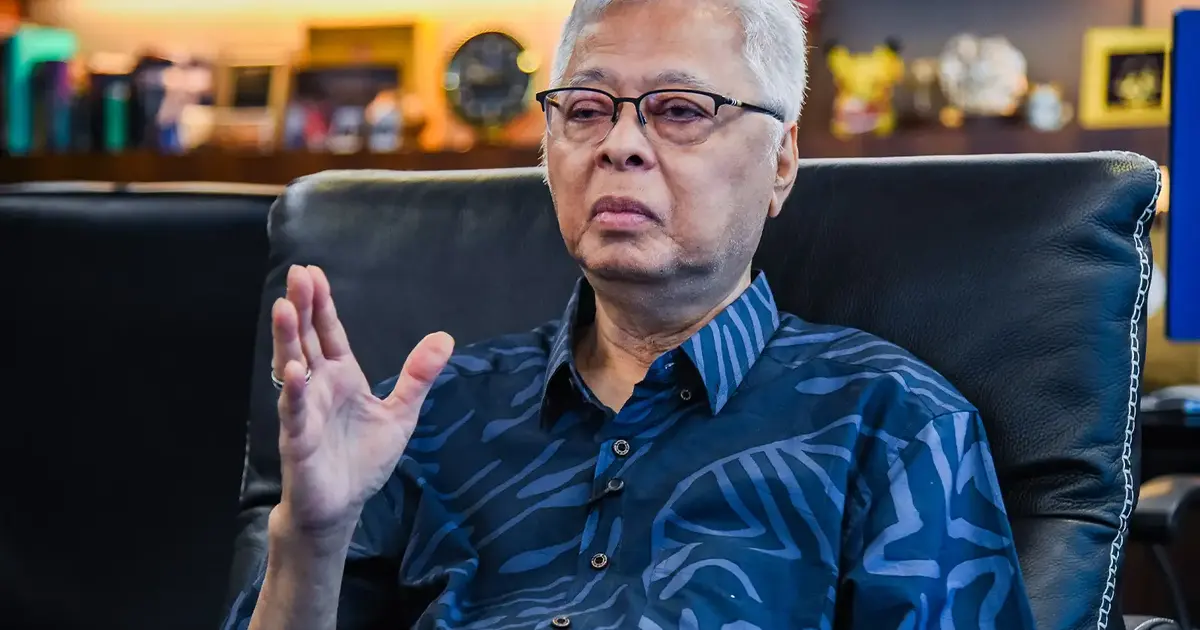
A Malaysian court has postponed legal proceedings involving former Prime Minister Ismail Sabri Yaakob, granting an adjournment to allow him to undergo a scheduled heart procedure. The judicial decision reflects the court's accommodation of health-related requests from defendants facing criminal charges, balancing the right to fair proceedings with medical necessity. The postponement underscores the intersection of public accountability and personal health circumstances, particularly where high-profile political figures are concerned.
The adjournment was granted without opposition and sets the next hearing date for August 27, when the court will proceed to hear the formal charges against Ismail Sabri. This timeline provides the former premier with adequate time to complete his medical treatment and recovery before returning to court, ensuring he can participate fully in his own defence during subsequent proceedings. The decision demonstrates judicial flexibility within Malaysia's legal framework when medical evidence supports requests for postponement.
Ismail Sabri's situation reflects a broader pattern in Malaysian politics where prominent figures have faced legal scrutiny following changes in government or political circumstances. His tenure as Prime Minister, which lasted from August 2021 to November 2022, was marked by considerable political turbulence and culminated in his loss of parliamentary support. The charges he now faces represent part of a wider reckoning across Malaysia's political landscape, where investigations into former leaders have become more commonplace in recent years.
The timing of Ismail Sabri's heart procedure coincides with a period of significant transition within Malaysian politics. His departure from office marked the end of a relatively brief tenure characterised by attempts to stabilise government amid competing power blocs. The subsequent Anwar Ibrahim administration has pursued various investigations into previous administrations, reflecting the cyclical nature of Malaysian political accountability mechanisms that often become activated with changes in leadership.
From a broader perspective, the case highlights questions about how Malaysia's legal system handles cases involving former prime ministers and senior political figures. The court's willingness to grant medical adjournments suggests an approach that prioritises the integrity of proceedings over expeditious conclusion, recognising that health emergencies can genuinely impede a defendant's capacity to mount a proper defence. This judicial approach maintains confidence in the fairness of the legal process while ensuring accountability mechanisms are not compromised.
The August 27 hearing date provides Malaysian media and political observers with a defined timeline for monitoring the progression of this high-profile case. Court dates involving former premiers attract significant public attention, particularly when they relate to governance issues or alleged misconduct during their tenure. The resumption of proceedings will likely generate substantial political discourse and serve as a focal point for discussions about accountability in Malaysian politics.
Ismail Sabri's medical situation also raises practical considerations about how courts manage proceedings involving aging political leaders. The former premier is among several senior Malaysian politicians who have experienced health challenges in recent years. The court's approach in this instance suggests a pragmatic recognition that conducting trials involving elderly or infirm defendants without permitting necessary medical treatment could be challenged on grounds of procedural fairness.
The postponement does not affect the substance of the charges, only the timing of their formal hearing. The charges themselves relate to allegations arising from Ismail Sabri's period in office or earlier political activities, consistent with patterns observed across multiple former ministers and political leaders who have faced legal proceedings in recent years. The August 27 date effectively resets the clock for the judicial process while accommodating legitimate health concerns.
For observers tracking Malaysian legal and political developments, this adjournment represents one element within a larger narrative of post-electoral accountability. The replacement of successive governments has invariably triggered fresh investigations into predecessor administrations, raising questions about whether such processes reflect genuine governance concerns or partisan political motivations. Ismail Sabri's case exists within this contentious landscape, where judicial proceedings and political transitions remain closely intertwined.
The former prime minister's medical procedure and court adjournment also underscore the intensity of Malaysian political life for senior figures, where the transition from office can bring unexpected legal challenges alongside personal health struggles. The combined pressures of ongoing litigation and medical treatment represent significant burdens on individuals at this stage of their lives, circumstances that court systems generally seek to accommodate where evidence supports medical necessity.
As the August 27 hearing approaches, legal analysts will likely examine the specific charges against Ismail Sabri in preparation for coverage of the substantive court proceedings. The hearing will mark a substantive phase in the legal process beyond preliminary adjournments, potentially revealing details about the allegations and the prosecution's case strategy. The court's management of this high-profile proceeding will continue attracting scrutiny from legal professionals, political commentators, and the Malaysian public.
The adjournment decision ultimately reflects how Malaysia's courts balance competing interests—ensuring that former leaders face appropriate legal accountability while recognising the realities of human health and the requirements for fair judicial process. When proceedings resume in August, the case will enter a new phase that could significantly influence both the immediate legal outcome and the broader trajectory of post-electoral accountability mechanisms in Malaysian politics.

