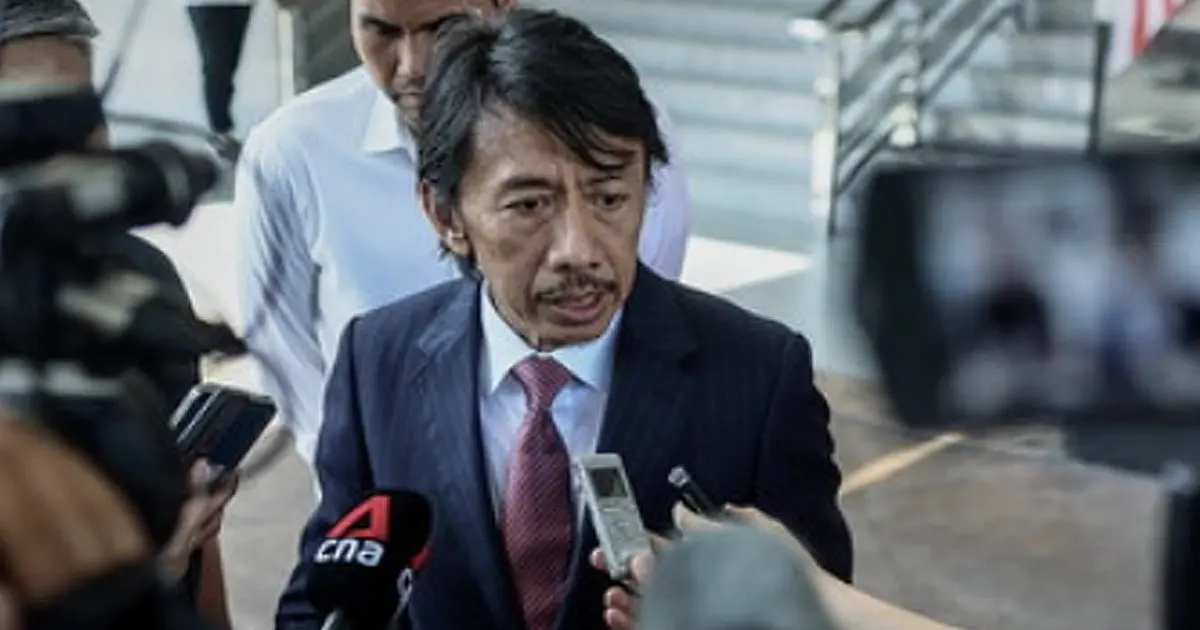
Former Prime Minister Ismail Sabri Yaakob has undergone surgery to have a pacemaker fitted, a procedure undertaken at the National Heart Institute to manage an abnormal heart rhythm condition. The device was successfully implanted during an afternoon operation, with medical professionals subsequently advising the former leader to observe a recovery period before resuming his usual activities.
A pacemaker is a small electronic device designed to regulate heart rhythm by sending electrical impulses to the heart muscle when the natural electrical system fails to function properly. The implantation of such a device is typically recommended when patients experience arrhythmia—irregular heartbeats that can range from mildly symptomatic to potentially dangerous. For Ismail Sabri, the procedure represents a common medical intervention that many individuals, particularly those in demanding public service roles, may require as they age.
The National Heart Institute, where the operation was conducted, is Malaysia's premier cardiac care facility and a regional leader in cardiovascular medicine. As a government institution under the Ministry of Health, it serves as both a treatment centre and a training ground for cardiac specialists. The choice of this facility underscores the routine nature of the procedure, which has become increasingly common in developed healthcare systems across Southeast Asia.
Ismail Sabri, who served as Prime Minister from August 2021 to November 2022, has maintained a relatively active public profile since leaving office. His tenure came during a particularly turbulent period in Malaysian politics, marked by political instability and competing coalition interests. The news of his medical procedure arrives during a time when the political landscape continues to evolve, with former prime ministers often remaining influential figures in their respective political circles.
The recommendation for rest following the operation is standard protocol following pacemaker implantation. This recovery period typically spans several weeks, during which patients are advised to avoid strenuous activities and heavy lifting to allow the implant site to heal properly and to permit the device to stabilise its function. Many individuals return to their normal routines within a few weeks, though the specific timeline depends on individual circumstances and the complexity of the procedure.
Pacemaker technology has advanced considerably over recent decades, with modern devices offering improved battery life, smaller profiles, and enhanced programming capabilities. Some contemporary pacemakers can be monitored remotely, allowing cardiologists to assess device function and patient heart rhythms without requiring frequent in-person office visits. These innovations have made the devices increasingly discreet and less intrusive to daily life.
For Malaysian political observers, Ismail Sabri's medical situation may raise questions about the health and longevity of the nation's political leadership. The demands of high office, combined with the stresses of contemporary Malaysian politics, have long been topics of public interest. As Malaysia continues to navigate its political challenges and chart its economic course in the competitive Southeast Asian environment, the health and capacity of its political figures remain subjects of public concern.
The medical procedure also highlights the quality of healthcare facilities available within Malaysia's government system. The National Heart Institute's ability to conduct such procedures promptly and effectively demonstrates the country's advanced medical capabilities, a factor that contributes to Malaysia's reputation as a regional healthcare destination. This institutional strength is particularly significant as the nation seeks to maintain its competitiveness in healthcare delivery across Southeast Asia.
Ismail Sabri's situation is unlikely to affect the broader political dynamics currently in play across Malaysia, given his status as a former rather than sitting prime minister. However, his prominence within his political party—United Malays National Organisation (UMNO)—and his continuing involvement in political discourse mean that his extended absence from public activities could generate discussion within political circles. The recovery period will likely be brief enough to avoid any significant political implications.
The pacemaker implant serves as a reminder of the medical realities that affect individuals across all sectors of society, regardless of their previous positions or status. For Ismail Sabri, the procedure represents a necessary intervention to maintain his health and quality of life, a decision that likely involved consultation with family and medical advisors. As he undergoes his recovery period, the former prime minister joins thousands of Malaysians who rely on such medical devices to manage their cardiovascular health and continue their daily activities.

