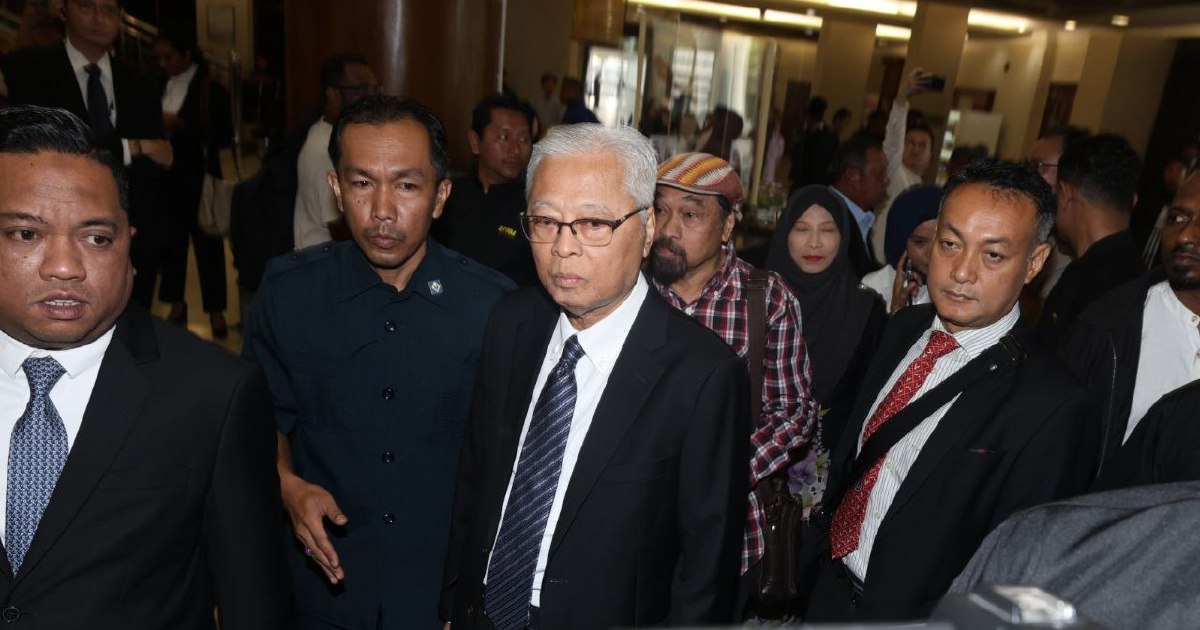
Former prime minister Datuk Seri Ismail Sabri Yaakob presented himself at the Sessions Court in Kuala Lumpur today, marking a significant legal development in an ongoing investigation into asset disclosure matters. The ex-leader's appearance follows months of scrutiny from authorities examining whether he complied with mandatory financial reporting obligations required of public office holders in Malaysia.
The charges relate to allegations that Ismail Sabri failed to properly declare certain assets within the prescribed timeframe, a requirement mandated under Malaysian law for those serving in high government positions. Asset declaration rules form a cornerstone of Malaysia's governance framework, designed to ensure transparency and prevent conflicts of interest among senior officials. The regulations require comprehensive documentation of financial holdings, property ownership, and other valuable possessions, with submissions typically due within specific periods following appointment or changes in circumstances.
This case arrives during a period of heightened public attention to governance standards and accountability mechanisms in Malaysia. The proceedings underscore ongoing efforts by authorities to enforce compliance with transparency regulations across the political establishment. Since stepping down as prime minister in 2022, Ismail Sabri has maintained a relatively low public profile, though his tenure as head of government and prior positions in cabinet have remained subject to occasional parliamentary scrutiny and media examination.
The asset declaration framework represents one of several institutional checks designed to maintain public confidence in the integrity of Malaysia's political system. When implemented rigorously, such requirements create documented records of officials' financial positions, enabling authorities to identify unusual wealth accumulation or unexplained assets that might warrant further investigation. The enforcement of these rules applies across the political spectrum and across different administrations, though critics have periodically questioned the consistency and rigour of implementation.
For Ismail Sabri personally, the court proceedings represent a substantial legal challenge that could carry meaningful consequences depending on the outcome. Former senior political figures in Malaysia have faced varying outcomes when navigating the criminal justice system, with some cases resulting in acquittals while others have concluded with convictions and penalties. The specific nature of the allegations and the evidence authorities have compiled will likely determine the trajectory of these proceedings.
Regionally, Malaysia's approach to prosecuting former leaders has drawn international attention, particularly when cases involve prominent political figures. How Malaysian courts handle such matters affects perceptions of the country's commitment to judicial independence and the rule of law. International observers have long maintained that consistent, transparent application of legal standards strengthens confidence in national institutions, whereas selective prosecution undermines public faith in governance frameworks.
The case also reflects broader political dynamics in Malaysia during recent years. Leadership transitions, coalition realignments, and changing political fortunes have created complex relationships between different political actors and investigative authorities. These shifting dynamics sometimes create perception that legal proceedings against former officials carry political undertones, though prosecutors maintain that all matters are pursued according to evidence and legal merit irrespective of individuals' current political standing.
For Malaysian taxpayers and citizens generally, cases involving asset declaration charges carry particular significance because they touch upon fundamental questions about how public funds and public office are managed. The principle that elected and appointed officials must transparently account for their financial circumstances underpins broader anti-corruption efforts and governance initiatives across government. When those principles are tested through the courts, the proceedings contribute to the broader national conversation about accountability standards.
Ismail Sabri's legal team will presumably present arguments and evidence during coming proceedings to contest the allegations or address the charges according to applicable law and procedure. The court process will likely unfold across multiple sessions as both prosecution and defence present their respective cases. The ultimate outcome will establish a precedent regarding enforcement of asset declaration requirements and may influence how similar cases involving other officials are subsequently handled.
The implications of this case extend beyond Ismail Sabri individually. Successfully prosecuting cases involving failure to declare assets demonstrates that authorities possess capacity and willingness to pursue such matters through to conclusion, potentially deterring similar non-compliance among other officials. Conversely, difficulties in securing convictions might suggest that regulatory frameworks require strengthening or that enforcement mechanisms need recalibration to improve effectiveness. Either way, observers across Malaysia and the region will be watching how this proceeding develops.

