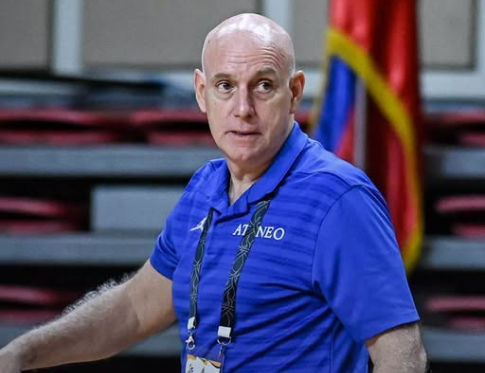
The Philippine National Police Criminal Investigation and Detection Group has moved to hold Thomas Anthony 'Tab' Baldwin and 10 others accountable in connection with the deaths of two basketball players who drowned during a training session at Dipaculao, Aurora on June 8. The recommendation comes under Republic Act No. 11053, the Anti-Hazing Act, marking a significant escalation in the legal response to the tragedy that shocked Philippine sports.
Baldwin, the former head coach of Ateneo de Manila University's men's basketball team, directed an activity that the authorities now characterize as constituting illegal hazing rather than legitimate team-building. The development reflects the Philippine government's broader stance that such team-training exercises can cross the line into prohibited conduct when they subject athletes to unnecessary danger and excessive physical stress combined with environmental hazards.
The 10 additional individuals recommended for charges represent the full supervisory and support structure present at the beach activity. Included are both strength and conditioning coaches Grant Dearns and Ceasar Vicent Javellana Elumba, three assistant coaches Dean Caesar B. Castaño, Sandro Nicholas Romero Soriano, and Reynaldo Jacinto, two student managers Paolo Manuel Maceda Adevoso and Andrew Lorenzo 'Drew' Bondoc Salud, physical therapist John Eric Quiambao Rueca, and utility personnel Aris Ramos Pronce and Joel 'Boy' Palmiano Rapa. Critically, authorities emphasized that all 11 personnel were present throughout the activity and none intervened to halt proceedings despite visible dangers.
The prosecution's case hinges on characterizing the Aurora session as systematic hazing rather than normal training. Under RA No. 11053, hazing encompasses activities that inflict physical or psychological suffering as part of initiation requirements or membership prerequisites. The law's definition has broadened from traditional perceptions focused narrowly on initiation rituals. Prosecutors argue the June 8 activity clearly fell within this expanded definition through its deliberate imposition of extreme physical demands and deliberate exposure to environmental hazards.
The chronology of events on the training day reveals a pattern of escalating physical stress. Athletes were roused at 4 in the morning and immediately subjected to a four-kilometre running requirement across rough terrain. This opening phase was deliberately followed by intense competitive games with physical punishments imposed on losing participants. The sequence was clearly designed to exhaust and weaken participants before the seawater component commenced. The timing proved particularly significant: the beach training occurred between 2 and 2:30 in the afternoon, coinciding precisely with high tide conditions expected at 2:27 in the afternoon, when ocean conditions become most treacherous.
The environmental conditions during the seawater activity created genuine hazard for athletes already fatigued by hours of exertion. Ocean conditions on June 8 featured rip currents of considerable strength, large wave formations, and variable seabed depths that create confusion and danger even for experienced swimmers. Subjecting exhausted, depleted athletes to such conditions suggests recklessness regardless of any claimed training rationale. The activity combined predictable environmental danger with populations made vulnerable through deliberate exhaustion.
Authorities have also disputed claims that the drowned players, Rene Baterbonia and Divine Adili, were using weights during the seawater session. When recovered by rescue personnel, neither body bore evidence of weights or additional equipment that might explain rapid submersion. This absence undermines theories that controlled diving or other legitimate exercise methodology was underway, instead suggesting uncontrolled exposure to hazardous conditions.
The activity's connection to roster selection adds another dimension to hazing allegations. Prosecutors determined that the Ateneo team had invited 20 players to participate, despite the intention to submit only 17 names to the University Athletics Association of the Philippines. This structure meant the beach activity functioned as a selection mechanism, with some participants understanding their continued involvement depended on performance and endurance through punishing exercises. Such high-stakes conditions increase psychological pressure and may compel participation despite recognized dangers.
Baldwin has already issued a public apology through an extended video statement distributed across Ateneo's social media channels, acknowledging responsibility for Baterbonia and Adili's deaths. His statement represents acceptance of some accountability, though it predates the formal charges. The Department of Justice must now conduct preliminary evaluation and case development based on the police recommendation, determining whether sufficient evidence supports formal filing before courts.
This case resonates beyond Philippine athletics, carrying implications for Southeast Asian sports governance generally. Universities and athletic programs across the region employ similar training methodologies that exist in legal and ethical gray areas. The definition of hazing under Philippine law—particularly the inclusion of forced calisthenics and environmental exposure as constituting prohibited conduct—signals potential liability for coaches and administrators in comparable situations elsewhere. Schools and sporting organizations will likely reassess training protocols to ensure compliance with emerging interpretations of athlete safety obligations.
The prosecution's broader argument challenges the legitimacy of extreme training methods justified by tradition or competitive necessity. By reframing a training session as hazing, authorities contend that claiming athletic benefit cannot override the fundamental prohibition against subjecting participants to unnecessary danger and physical suffering. This interpretive approach may influence how other Southeast Asian nations, including Malaysia, evaluate the boundaries between demanding athletic training and prohibited abusive conduct.
The recommendations also highlight the responsibility of entire coaching ecosystems. Rather than attributing liability solely to head coaches, the authorities included every member of the training operation—from conditioning specialists to student managers to utility personnel. This comprehensive approach reflects recognition that hazing typically requires organizational tolerance and coordination rather than individual action, and that institutional structures enabling such conduct share accountability for consequences.

