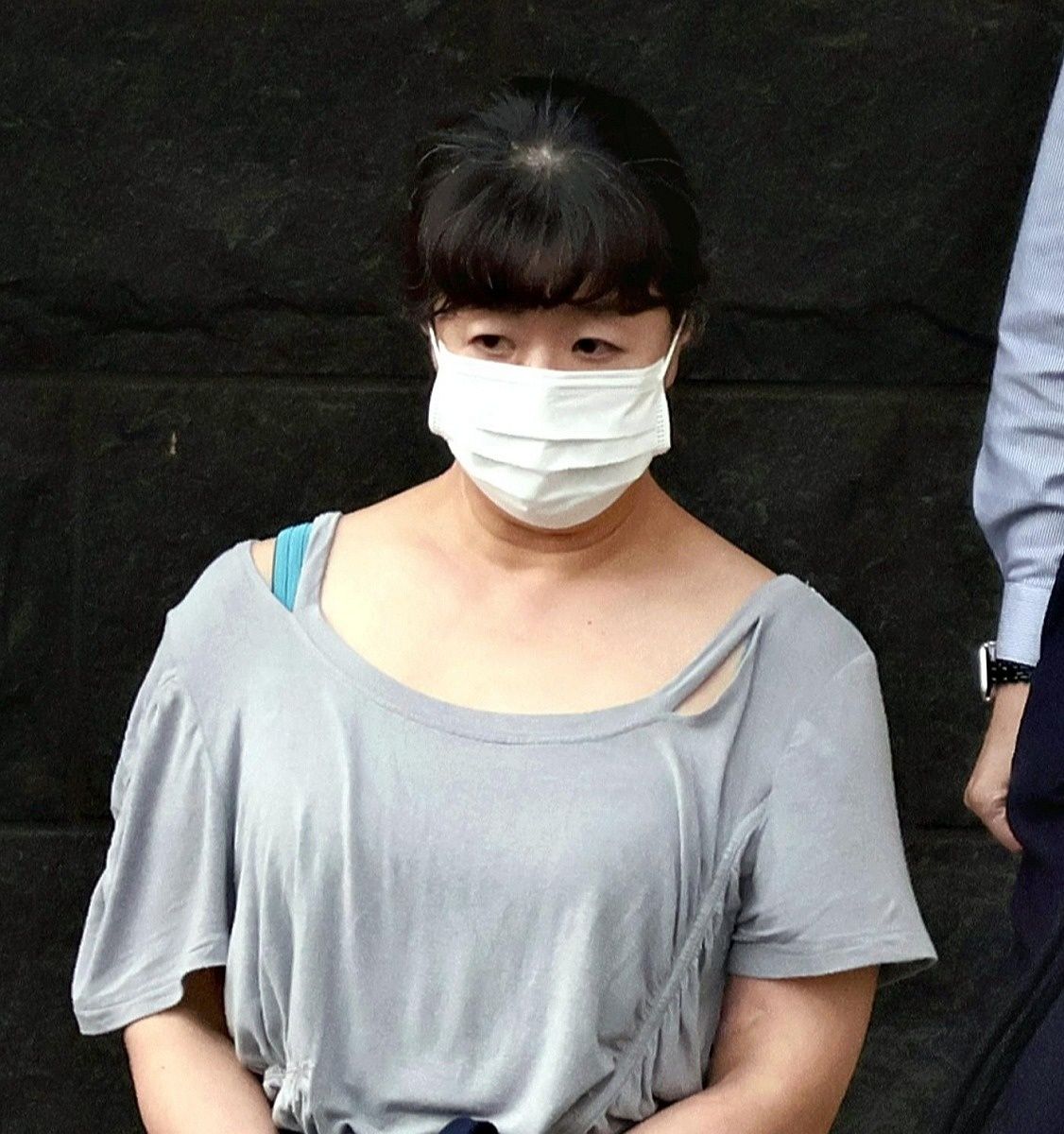
A 51-year-old former nurse has been taken into custody by authorities in Chiba Prefecture, Japan, following a shocking investigation into the death of a 75-year-old patient at Kashiwa Tanaka Hospital. Miyuki Furukawa stands accused of deliberately contaminating the intravenous line of Eiji Aida in the early hours of January 30, allegedly introducing faecal matter into the extension tube of his IV drip around 3.55am. The incident unfolded during Furukawa's shift as head nurse on the night ward, with hospital security cameras documenting her movements in and out of the patient's room during the critical timeframe.
Aida's health deteriorated rapidly following the alleged contamination. Within hours, his condition had worsened dramatically, and he was pronounced dead at approximately 10.30pm on January 31. Medical examiners determined that the cause of death was multiple organ failure triggered by sepsis, a life-threatening condition arising from bacterial infection. Crucially, laboratory analysis of the deceased's blood revealed the presence of bacteria indigenous to human faeces, providing crucial forensic evidence connecting the contamination to the patient's fatal condition. The clinical progression from contamination to fatal sepsis underscores the severe vulnerability of hospitalised patients dependent on intravenous therapy.
The breakthrough in the case came when a hospital colleague noticed discolouration inside the IV extension tube. On February 1, this observant staff member reported her concerns to Kashiwa Police, noting that the brown discolouration suggested a foreign substance had been introduced. This alert proved instrumental in triggering a comprehensive investigation that would eventually lead to Furukawa's arrest some five and a half months later in mid-July. The delay between the incident and arrest reflects the complexity of gathering evidence and establishing sufficient grounds for prosecution in such an unprecedented case.
Investigative sources have revealed a troubling dimension to the case: Furukawa had engaged in a heated argument with Aida prior to the incident. This interpersonal conflict between caregiver and patient appears to have created the circumstances and motivation for the alleged crime. More remarkably, investigators uncovered evidence that Furukawa had conducted a deeply concerning smartphone search. She had queried the Japanese phrase "faeces injection — Will [he] die?," a search that suggests premeditation and awareness of the lethal potential of her alleged actions. Such digital footprints provide prosecutors with significant circumstantial evidence of deliberate intent.
Despite the weight of evidence against her, Furukawa has maintained her innocence. Upon arrest, she categorically denied the accusations, stating "I deny inserting faeces into the tube." Her legal position contrasts sharply with the forensic evidence and circumstantial indicators surrounding the case. The investigation into her precise motivations and the detailed sequence of events remains ongoing under the direction of Chiba prefectural police, who are committed to establishing the complete factual narrative.
Furukawa's employment history reveals a troubling trajectory. She worked as the head nurse at Kashiwa Tanaka Hospital at the time of the incident but subsequently resigned from that position at the end of February. Notably, she had already secured new employment as a midwife at a Tokyo hospital by the time of her arrest, having apparently transitioned to a different role at a different institution. This career move raises serious questions about whether background checks or information sharing between hospitals adequately flagged concerns about her involvement in the January incident.
The implications of this case extend far beyond the individual tragedy of Eiji Aida's death. The incident represents a profound breach of the fundamental trust that patients and their families place in healthcare institutions and medical professionals. For Malaysian readers, this case serves as a stark reminder of the importance of robust hospital security protocols, comprehensive background vetting of healthcare workers, and the implementation of monitoring systems that prevent unauthorised access to patient care areas and medical equipment. The incident also underscores the vulnerability of incapacitated patients who depend entirely on caregivers for their safety and wellbeing.
Aoikai, the healthcare organisation operating Kashiwa Tanaka Hospital, has issued a formal statement acknowledging the gravity of the allegations. The organisation characterised the alleged conduct as "absolutely unforgivable" for anyone working in a medical setting and "as a human being." Hospital leadership has committed to full cooperation with police investigations and expressed determination to uncover all relevant facts. This organisational response, while appropriate, also reflects the institutional damage caused by such a serious breach of professional ethics and patient safety.
The case has broader implications for healthcare systems across Asia, including Malaysia. It demonstrates that even in developed healthcare environments with sophisticated infrastructure, systematic vulnerabilities can be exploited by individuals with malicious intent. Hospital administrators and policymakers across the region would be wise to evaluate their protocols for monitoring staff conduct, securing medical equipment, and ensuring that warning signs or concerning behaviour by healthcare workers are properly documented and communicated across institutions. The tragedy of Eiji Aida's death underscores that patient safety encompasses not only technical medical excellence but also the ethical character and integrity of every individual entrusted with caregiving responsibilities.

