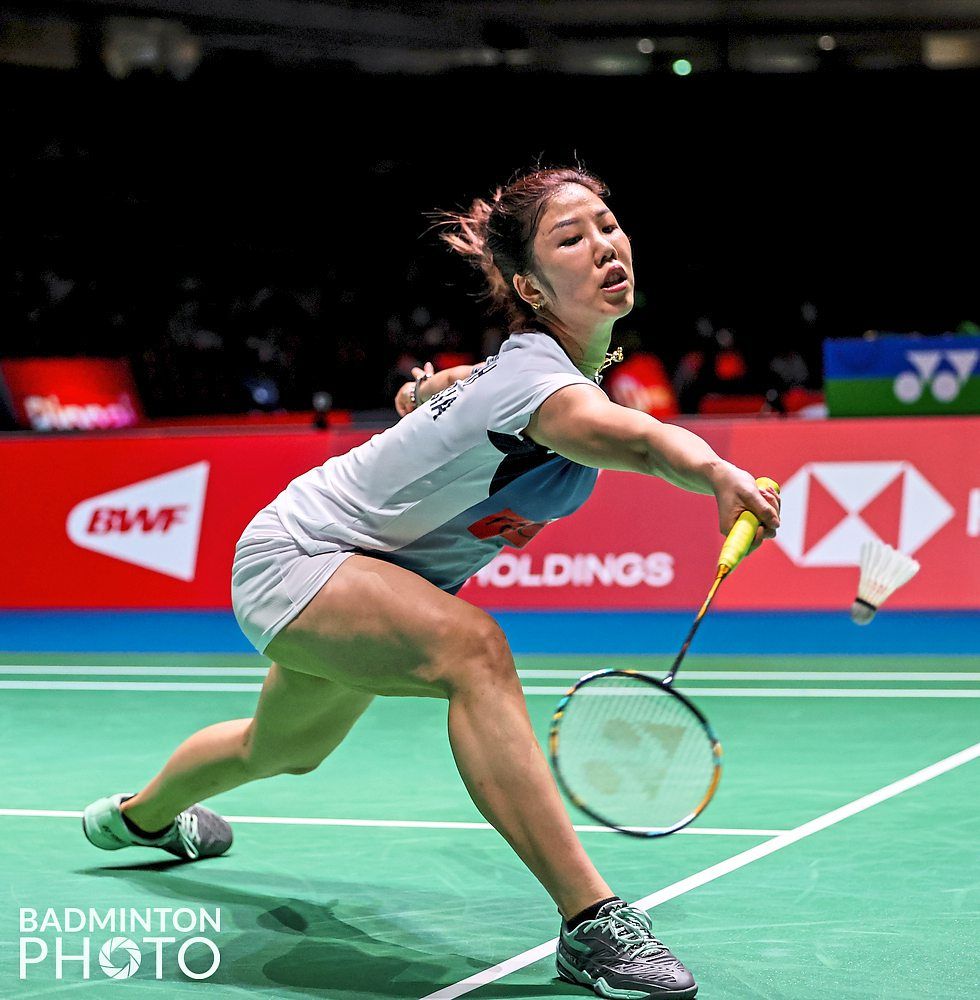
Former national women's singles shuttler Soniia Cheah has stepped down from her position as sports director of the Kuala Lumpur Badminton Association, ending her tenure after merely four months in the role. Her resignation became effective on Wednesday, marking an unexpectedly brief chapter in her post-playing career with the Petaling Jaya-based association. Despite declining to elaborate extensively on the circumstances surrounding her departure, Cheah acknowledged that arriving at this decision required careful deliberation and was not undertaken lightly.
In a statement, Cheah articulated that the resignation stemmed from fundamental disagreements over certain matters within the KLBA that conflicted with her personal values and professional convictions. As someone with extensive experience in national-level badminton competition, she expressed her belief that continuing in the role would necessitate compromising on principles she considers non-negotiable. Her comments suggest that the issues involved operational or policy-related matters rather than interpersonal conflicts, as she was careful to clarify that her resignation was not directed at any individual within the association.
The 33-year-old sports director framed her departure as potentially constructive for the organisation, expressing hope that her resignation might prompt the KLBA to undertake a thorough review of the concerns she raised. Cheah emphasised her genuine investment in the sport and her commitment to supporting the development of young players within the Kuala Lumpur badminton fraternity. She voiced confidence that by addressing these underlying issues, the association could refocus its efforts on ensuring that junior talent receives the appropriate environment and support systems necessary for growth and achievement.
Cheah's final assignment in her KLBA role involved overseeing the Kuala Lumpur squad at the Affin 100Plus Junior Elite Tour Finals, held at Stadium Juara in Bukit Kiara during the previous week. This competition represents an important competitive platform for developing junior players in the region, making it a significant event for her to conclude her responsibilities. Her involvement in this tournament provided an opportunity to contribute meaningfully to junior player development even as her departure loomed.
Her appointment to the KLBA sports director position had commenced in February on a one-year contract, meaning her departure represents only approximately one-third of the intended tenure. The relatively short duration of her tenure raises questions about the circumstances that led to such a rapid exit, particularly given the institutional knowledge and credibility that a former top-ranked player would typically bring to such a role. The abbreviated timeframe suggests that the issues Cheah encountered may have surfaced relatively quickly after she assumed the position.
Cheah's badminton credentials are substantial, having achieved the status of Malaysia's No. 1 women's singles shuttler during her competitive career. Her resume includes representation of the country at the Olympic Games in Tokyo, underscoring her experience at the highest levels of international badminton competition. These qualifications made her appointment to the KLBA position a logical choice, as she possessed both technical knowledge of the sport and practical understanding of the pathways that develop elite athletes.
Retirement from professional competition came for Cheah in 2022, following a prolonged struggle with a recurring Achilles tendon injury. This injury effectively ended her playing career despite her potential for further contributions at the international level. The injury, which persisted throughout the final phase of her competitive years, ultimately proved insurmountable and prompted her decision to step away from the demanding physical requirements of professional badminton.
The departure of Cheah from the KLBA sports director role underscores the occasional tension that can emerge between former elite athletes entering administrative positions and the operational realities of sports associations. Her principled stance suggests that she came to the role with expectations about governance and player welfare that proved incompatible with the existing framework or decision-making processes at the association. This situation is not uncommon in sports administration, where athletes with high standards developed through elite competition sometimes find organisational cultures or policies that do not align with their expectations.
For the broader badminton community in Malaysia, particularly in the Kuala Lumpur region, Cheah's resignation highlights the importance of ensuring that leadership positions within sports associations are filled by individuals whose values align with organisational objectives. The fact that a respected former player felt compelled to resign rather than continue suggests that systemic issues may require attention from the KLBA's decision-making bodies. Her departure may serve as a catalyst for reflection within the association about how to better support both administrative leadership and the players under their care.

