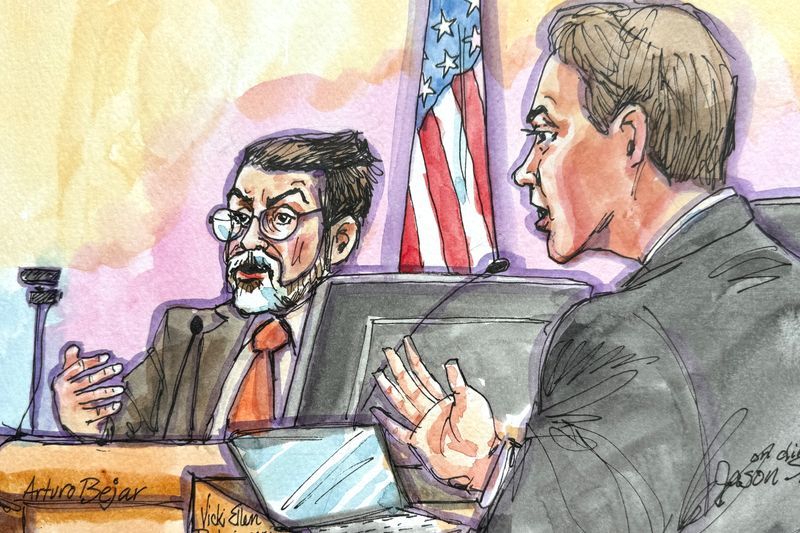
Meta Platforms faces one of its most significant legal challenges yet as testimony unfolds in a federal courthouse in Oakland, California, where a coalition of American states has mounted allegations that the technology giant deliberately engineered its Facebook and Instagram platforms to captivate young users while disregarding evidence of psychological harm. The trial represents a pivotal moment in the ongoing debate over social media's role in youth mental health and raises questions about corporate accountability that could reshape how platforms operate globally, including implications for Southeast Asian markets where Meta's services remain dominant.
Arturo Bejar, the central witness in these proceedings, brings particular credibility to the plaintiffs' case by virtue of his 12-year association with Meta across two separate periods—first as an engineering director from 2009 to 2015, and subsequently as an independent contractor from 2019 to 2021. During his most recent tenure, Bejar helmed research initiatives that surveyed teenagers about their experiences on Instagram, positioning him as an insider with direct access to the company's internal surveillance mechanisms and data on user wellbeing. His willingness to publicly challenge Meta's safety practices, combined with his technical expertise, has made him an invaluable resource for the prosecution, which relies on his testimony to establish that the company possessed knowledge of harms yet chose not to act.
The allegations levelled by California, Colorado, Kentucky, New Jersey, and 29 other states paint a picture of deliberate corporate malfeasance. Prosecutors contend that Meta prioritised engagement metrics and advertising revenue over the safety of minors, that it misled both consumers and regulators about the security of its platforms, and that it unlawfully harvested personal data from children under 13 in violation of federal privacy laws. These claims strike at the heart of Meta's business model, which depends on accumulating vast user data and maximising time spent on platform, even as mounting evidence suggests that heavy social media use correlates with elevated rates of anxiety, depression, and in severe cases, suicidal ideation among adolescents.
Bejar's testimony centres on a critical methodological failure within Meta's own monitoring systems. He explained to jurors that the company's internal surveillance apparatus measured only the prevalence of policy-violating content—essentially counting how often infractions occurred—rather than quantifying the actual suffering caused to users. This distinction is not merely technical but reveals a fundamental misalignment between what Meta measured and what harm its young users actually experienced. When Bejar raised these concerns through formal channels, submitting an email to Meta's chief product officer Chris Cox, he documented what he characterised as a substantial chasm between Meta's reported metrics and the lived reality of harm reported by teenagers themselves. His statement that young users encountered adverse effects at extraordinarily elevated rates, coupled with his observation that any conscientious parent would demand to know such facts, positions Meta as knowingly withholding material information from families who entrust their children to these services.
The trial itself is scheduled to extend for six weeks, with Bejar serving as the first major witness after both legal teams delivered opening arguments on Tuesday. Meta has mounted a vigorous defence, denying all allegations and asserting its commitment to teenage safety; the company has also challenged the admissibility and scope of Bejar's testimony, arguing that his opinions venture beyond the boundaries of his actual responsibilities during his employment. The company's legal strategy reflects the high stakes involved, as an unfavourable verdict could trigger mandatory operational changes across its platforms, increased regulatory scrutiny, and potentially substantial financial damages.
Bejar's influence in challenging Meta extends well beyond the Oakland courthouse. He has already testified in three previous legal cases against the company, and his participation in a case brought by New Mexico resulted in damages and penalties totalling $942 million, along with a court order requiring Meta to implement safety modifications within that jurisdiction. This track record demonstrates both the persuasive power of his evidence and the tangible consequences that can flow from successful challenges to Meta's practices. Furthermore, in 2023 Bejar testified before the United States Senate, where he publicly stated that Meta possessed knowledge of the harassment and other injuries affecting teenagers on its platforms yet declined to take adequate remedial action—a statement that added institutional weight to the current trial's allegations.
Meta attempted to exclude Bejar's testimony by arguing that he had destroyed evidence, specifically by deleting communications with former colleagues through the Signal messaging application, citing remarks he made in an ongoing Tennessee lawsuit. This manoeuvre represented a tactical effort to disqualify a particularly damaging witness rather than directly refuting his claims about the company's knowledge and conduct. However, U.S. District Judge Yvonne Gonzalez Rogers, presiding over the Oakland trial, rejected this motion decisively, characterising the company's bid to eliminate Bejar from the witness stand as a long-shot attempt unlikely to succeed.
The ramifications of this trial extend beyond American borders. In Malaysia and throughout Southeast Asia, Meta's platforms command enormous user bases among adolescents and young adults, making questions about their design and safety features directly relevant to regional policy debates. Regulators in the region have increasingly scrutinised social media companies' data handling practices and their impacts on youth wellbeing, and a major American verdict could influence how Malaysian authorities approach their own oversight responsibilities. Furthermore, the trial's focus on whether platforms were deliberately engineered to maximise engagement regardless of harm touches on broader questions about corporate ethics in the digital age.
The evidence Bejar presents goes to the core of what critics describe as a fundamental conflict of interest within Meta's business model. A platform funded entirely by advertising revenue has inherent incentives to keep users—particularly young users whose lifetime value is highest—engaged for as long as possible, often through algorithmic mechanisms that prioritise sensational or emotionally provocative content. When internal research reveals that these engagement-maximising features cause measurable harm to vulnerable populations, the decision to suppress or downplay such findings becomes particularly damaging to the company's legal position. Bejar's testimony essentially places that decision-making process under judicial examination, asking whether corporate knowledge of harm combined with a failure to act constitutes the kind of negligence and deception that should trigger legal accountability.
As proceedings continue, Meta's response to Bejar's testimony will reveal the strength of its defence against claims that it knowingly prioritised profits over youth safety. The trial's outcome could establish new legal precedents regarding technology companies' obligations toward minor users, reshape how social media platforms design their services, and potentially inspire similar litigation in other jurisdictions, including Southeast Asia. For Malaysian policymakers and families, the case underscores urgent questions about how to protect young people in an increasingly digital world while preserving innovation and free expression.

