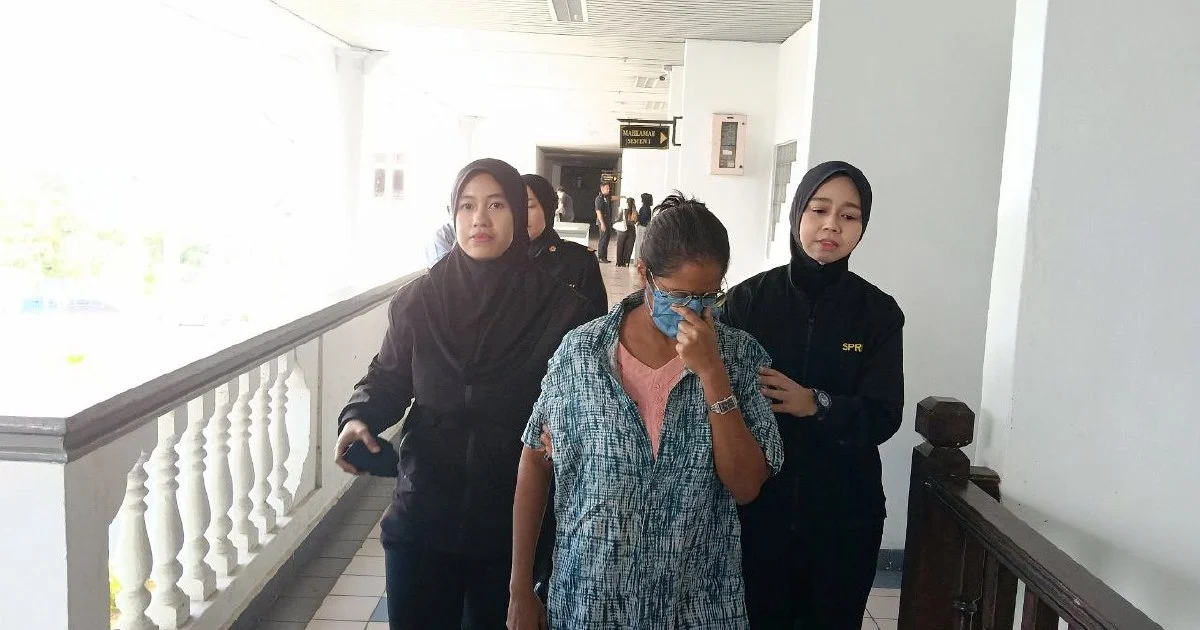
A former high-ranking civil servant in Melaka has been brought before the Ayer Keroh Sessions Court to answer seven charges alleging he misappropriated public funds and obtained money through deception from state executive council members, with the alleged total exceeding RM60,000. The appearance marks the formal commencement of legal proceedings against the retired official, signalling the state prosecution's confidence in moving forward with the case following an investigation phase.
The specific nature of the charges—combining misappropriation with cheating offences—suggests a pattern of conduct in which the accused allegedly exploited his position of trust within the state administration. Misappropriation charges typically involve the unauthorised diversion of funds under one's control, while cheating charges indicate he may have obtained money through fraudulent representation or deception. The dual-pronged approach by prosecutors reflects a strategy to establish both the breach of duty and the element of dishonesty involved in the transactions.
Melaka, as one of Malaysia's smaller states with a complex history of administrative restructuring, has in recent years experienced several cases involving officials misusing public resources. Such incidents underscore the importance of robust internal financial controls and oversight mechanisms within state governments. The fact that this case involves a senior officer suggests the breach occurred at a level where significant discretion and access to funds would be expected, raising questions about whether existing checks and balances were adequate.
The involvement of executive council members—individuals who form the state's highest executive body—as alleged victims indicates that the accused may have held considerable seniority within the civil service hierarchy. Executive council members typically have authority over multiple government portfolios and would handle substantial budgetary allocations. If they were directly deceived or their allocations misappropriated, this would constitute a serious betrayal of administrative responsibility.
The financial quantum of over RM60,000 across seven separate counts suggests either recurring transactions or multiple distinct schemes rather than a single opportunistic incident. This pattern strengthens the prosecution's case in establishing deliberate and sustained misconduct rather than isolated errors in judgment. The breakdown of charges across different counts provides prosecutors flexibility in seeking convictions and potentially varied sentencing outcomes reflecting the severity of individual offences.
From a governance perspective, such cases highlight vulnerabilities in state-level financial administration. While the federal government and larger states benefit from more extensive auditing infrastructure, smaller state governments sometimes operate with more limited oversight resources. Melaka's case, when it proceeds through trial, may reveal whether systemic weaknesses in financial authorisation procedures contributed to the alleged breach, potentially informing reforms across other state administrations.
The Malaysian public sector has been working to strengthen anti-corruption measures through various initiatives, including the establishment of clearer procurement standards and enhanced whistleblower protections. However, enforcement actions like this remain essential to maintain deterrence and public confidence. When senior officials face serious consequences for financial impropriety, it reinforces that position and authority do not confer immunity from accountability.
The Ayer Keroh Sessions Court will now oversee the adjudication of these charges. Sessions courts in Malaysia typically handle criminal matters involving more substantial penalties than magistrate courts can impose, appropriate for alleged misappropriations of this magnitude. The court's findings will establish whether the prosecution can prove beyond reasonable doubt that the accused knowingly and dishonestly diverted or obtained these funds.
For Malaysian readers, particularly those in Melaka and other state capitals, this case represents a test of the justice system's willingness to pursue high-ranking officials with the same rigour applied to lower-ranking offenders. Public perception of fairness in such prosecutions significantly influences overall trust in government institutions. The transparency with which this case is conducted and adjudicated will send important signals about whether administrative misconduct at senior levels receives appropriate scrutiny.
Beyond the immediate legal outcome, this matter touches on broader questions about professional ethics within the civil service and whether selection, training, and promotion procedures adequately screen for integrity. The defendant's previous seniority suggests he had been integrated into the state's administrative structure for considerable time, raising questions about whether misconduct indicators existed earlier and were overlooked or inadequately acted upon.
The accused will now move through the formal court process, with the opportunity to enter pleas and present a defence. The prosecution must demonstrate sufficient evidence for conviction on each of the seven counts. As the case proceeds, it may illuminate specific institutional weaknesses that other state governments should address to prevent similar incidents.
This prosecution occurs within Malaysia's broader context of strengthened anti-corruption efforts, though observers frequently note that high-profile cases against senior officials remain relatively uncommon. The frequency and visibility of such prosecutions can influence public perception of whether corruption at elite levels faces genuine consequences, a perception that varies considerably across different Malaysian states depending on local governance dynamics and available prosecutorial resources.