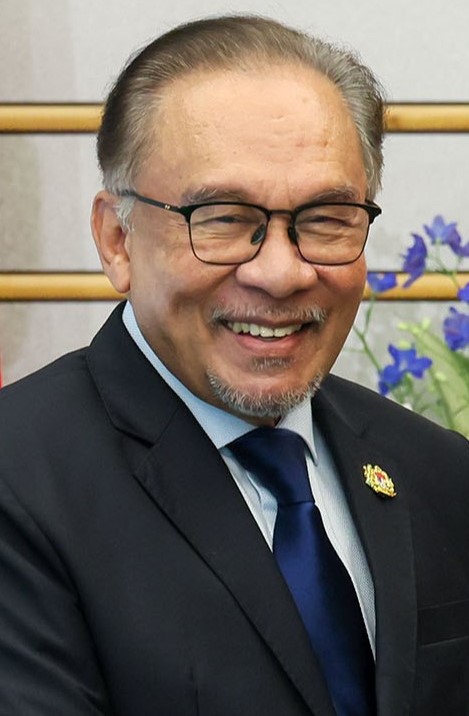
Datuk Dr Sahruddin Jamal, the former menteri besar of Johor, has made official his intention to seek another term representing the Bukit Kepong constituency in the upcoming 16th state election set for July 11. The announcement marks a significant moment in Johor politics, with one of the state's most senior political figures choosing to remain in the electoral arena despite his previous tenure as chief minister having concluded.
The Bukit Kepong seat has emerged as a focal point in Johor's political landscape, and Sahruddin's decision to contest reflects confidence in his support base within the constituency. His move to retain the seat rather than pursue other political positions indicates a deliberate choice to maintain ground-level representation in the state assembly, a strategy that has resonated with various political figures across Malaysia who prioritise direct constituent engagement over higher office.
As a former menteri besar, Sahruddin brings institutional experience and established networks to his campaign. His previous tenure in the top state position means he carries both the political capital of past executive responsibility and the baggage of governance decisions made during his administration. Voters in Bukit Kepong will inevitably weigh his track record in office against whatever policy platforms or messages his political coalition advances in this election cycle.
The July 11 election represents an important electoral moment for Johor, historically a stronghold of the Barisan Nasional coalition. The state's political direction has shifted considerably since Sahruddin's time as menteri besar, with various coalitions contesting for supremacy across different election cycles. His participation in this round adds a layer of established political presence to what could otherwise be a more fluid electoral landscape dominated by younger or less-experienced politicians.
Sahruddin's confirmation to defend the seat comes as political parties across the peninsula prepare their candidate selections for what promises to be a closely watched state election. In Johor's context, where both Barisan Nasional and opposition coalitions maintain significant organisational capacity, the choice of experienced candidates like Sahruddin can meaningfully influence constituency-level outcomes and broader state-wide momentum.
The timing of his announcement aligns with standard electoral calendars, where parties typically confirm their candidate lineups several months ahead of polling day. This advance notice provides sufficient time for both his political machinery and opposition contenders to mobilise supporters and canvas voter sentiment within Bukit Kepong. Early confirmation of candidacy also allows senior figures like Sahruddin to manage media narratives around their political futures more effectively.
For Malaysian political observers, Sahruddin's decision to contest offers insights into how senior leaders navigate the transition between executive office and representation roles. His choice reflects a common pattern where former chief ministers or ministers maintain parliamentary or state assembly seats as platforms for political influence, even after stepping back from top executive positions. This approach preserves political relevance and provides options for future political mobilisation.
The Bukit Kepong constituency itself carries demographic and electoral characteristics that have made it competitive in previous contests. Sahruddin's knowledge of local issues, established relationships with community leaders, and prior victories in the seat position him as a formidable incumbent candidate. However, constituencies across Malaysia have seen significant electoral shifts in recent years, and no seat can be taken entirely for granted, particularly in a state election where voter turnout patterns and local campaign intensity can substantially influence outcomes.
From a Southeast Asian perspective, Johor's state elections carry broader significance given the state's size, economic importance, and geographic proximity to Singapore. Political stability and effective governance in Johor ripple across regional trade, infrastructure, and diplomatic relationships. The participation of experienced politicians like Sahruddin in state-level contests helps ensure that governance quality and administrative continuity remain central to electoral competition, even as new political forces emerge elsewhere in the state.
Sahruddin's confirmation also underscores the continuing centrality of personality-driven politics in Malaysian electoral contests, even as party affiliations and coalition alignments shift. His personal political brand, accumulated through years of public service and executive experience, constitutes a campaign asset that transcends particular party labels or current coalition arrangements. Voters often respond to individual track records and demonstrated competence, factors that favour established figures in competitive elections.