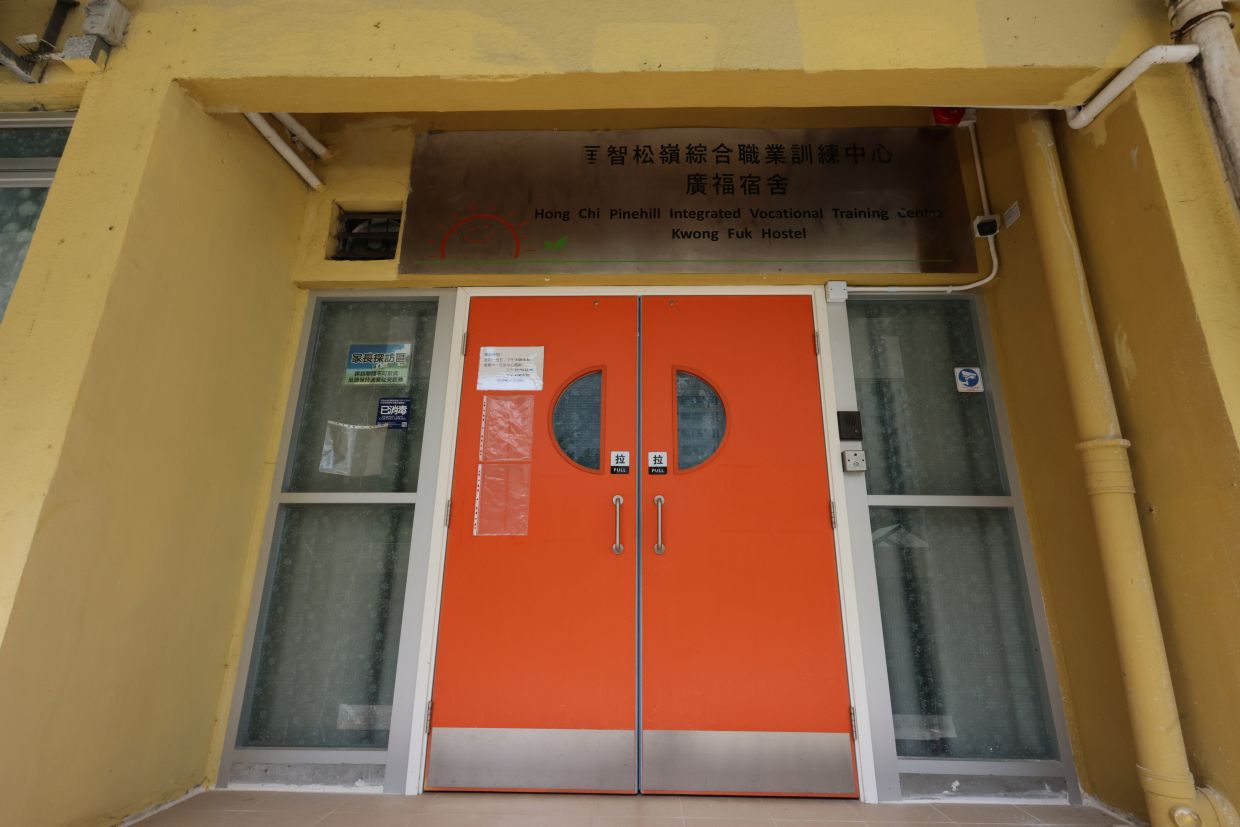
A trial has begun in Hong Kong's High Court against a former residential care facility worker accused of serially assaulting an intellectually disabled woman. Chung Pui-kei, the ex-assistant warden, faces five counts of rape involving a resident of a Tai Po home operated by the Chi Association, with the alleged offences occurring during a two-month span in mid-2024. The case highlights vulnerabilities within Hong Kong's care system for people with intellectual disabilities and raises questions about safeguarding protocols at residential institutions.
Prosecutor Human Lam Hiu-man told the court that the complainant, identified only as X, is now 23 years old but possessed the intellectual capacity of a child under ten years old during the alleged incidents. This developmental disparity forms the crux of the prosecution's case, as it undermines any possibility of meaningful consent. The prosecutor explained that from X's perspective, Chung appeared as a friendly authority figure who engaged her in recreational activities including video games and occasional treats, establishing a relationship of trust that the defendant allegedly exploited. Such grooming patterns are well-documented in abuse cases involving vulnerable populations, and prosecutors must establish that the perpetrator deliberately cultivated access to the victim.
According to testimony presented during the trial's opening, the alleged attacks occurred in two distinct locations within the facility. Three incidents took place in the male staff room, while two others happened in X's own residential quarters. Prosecutors presented evidence that Chung locked doors before undressing both himself and the victim, then proceeded with the assaults. In several instances, X reported experiencing physical pain and attempting to voice resistance, either explicitly saying no or expressing discomfort. However, the prosecutor indicated that fear of repercussion prevented fuller resistance on some occasions, a dynamic common in abuse situations involving authority figures and vulnerable individuals.
Physical and forensic evidence supports the prosecution narrative. Police recovered condoms and related items from a locker in the male staff area during their investigation. More significantly, officers located a bedsheet from X's room containing both the defendant's semen and the victim's DNA, establishing direct biological evidence linking Chung to at least one location where abuse occurred. These findings represent tangible corroboration beyond the victim's testimony, which prosecutors acknowledge may face credibility challenges given X's intellectual condition.
X's account emerged through two video-recorded interviews conducted by police, supplemented by surveillance footage recovered during the investigation. The formal documentation of her statement through recorded interviews enhances evidential reliability and reduces potential challenges regarding accuracy of recollection or pressure from investigators. Surveillance footage, if available from common areas, may corroborate timelines and movement patterns consistent with the alleged offences, though such material typically cannot capture events occurring in private spaces.
Medical testimony has played a crucial role in establishing X's cognitive status and capacity. Psychiatrist Lydia Lam Yi-ngar from Tai Po Hospital and clinical psychologist Wong Yik-tung of the Social Welfare Department both examined the complainant and provided expert assessment. The psychiatrist confirmed a diagnosis of bipolar affective disorder and reviewed X's medical history spanning hospitalizations in 2018 and 2021 for mental health treatment. While X had achieved stability through medication, the psychiatrist's assessment that she demonstrated no signs of post-traumatic stress disorder during August and November 2024 evaluations may face scrutiny from the defence, which could argue this finding suggests less severe trauma or questions about the incidents' actual occurrence.
The defence strategy appears focused on challenging the reliability of X's account and recollection. Defence counsel Lawrence Hui Cheuk-lun questioned the psychiatrist regarding potential hallucinations and perceptual distortions, particularly concerning facial feature recognition among patients with irregular medication adherence. This line of questioning seeks to establish that X's testimony regarding identification of her attacker might be unreliable. However, the psychiatrist clarified that hallucinations do not constitute a recognized side effect of valproate sodium, one of X's prescribed medications, and blood testing confirmed X had maintained appropriate dosage levels in July 2024.
The trial jury comprises four men and two women, deliberating under the presiding judge Douglas Yau Tak-hong. This composition reflects Hong Kong's jury system for serious criminal trials. The judge's role involves managing evidentiary issues and ensuring proper legal procedure, while jurors assess factual questions regarding whether the prosecution has proved guilt beyond reasonable doubt. Cases involving vulnerable witnesses often present particular challenges for juries, who must balance sympathy for the complainant against rigorous scrutiny of the evidence presented.
This prosecution carries significant implications for Hong Kong's care sector. Institutional abuse cases frequently prompt reviews of hiring practices, background screening, staff training, and resident supervision protocols. The Chi Association, which operates the facility, will likely face operational and reputational consequences regardless of trial outcome. Comparable incidents across Southeast Asia demonstrate that specialized residential facilities require robust internal oversight mechanisms, clear reporting channels for residents and staff, and external auditing. Malaysia's own care facilities for people with intellectual and physical disabilities have faced similar concerns, making this Hong Kong case relevant to regional discussions about institutional safeguarding.
The case also reflects broader vulnerabilities affecting intellectually disabled individuals across East and Southeast Asia. Persons with cognitive impairments face significantly elevated risks of sexual abuse within institutional settings, where power imbalances combine with communication difficulties and isolation from external oversight. Effective protection requires multifaceted approaches including proper staffing ratios, surveillance systems with privacy protections, trauma-informed care training, and accessible complaint mechanisms designed for people with communication challenges. Hong Kong and other regional jurisdictions have incrementally improved standards, yet gaps remain in implementation and enforcement.
Clinical psychologist Wong will continue providing testimony regarding X's intellectual capacity assessment, which represents a central factual question in the trial. The defence may challenge the reliability of capacity testing methodologies or argue that X's functional abilities exceeded clinical assessments. Such disputes often emerge in cases involving complainants with disabilities, with defence teams suggesting that subtle cognitive capabilities permit greater agency than formal diagnoses indicate. The jury's evaluation of this expert testimony will significantly influence whether jurors conclude that X could meaningfully consent to sexual activity.
Beyond the immediate trial outcome, this case highlights persistent gaps in protecting vulnerable populations within care systems. Systemic reform requires sustained commitment from regulatory authorities, care providers, advocacy groups representing disabled people, and law enforcement. Regional cooperation on sharing safeguarding best practices remains underdeveloped, despite clear utility in preventing abuse. As Hong Kong's trial proceeds toward verdict, stakeholders across Southeast Asia will monitor the case's handling and any subsequent institutional reforms, recognizing that failures identified here likely reflect broader regional vulnerabilities.

