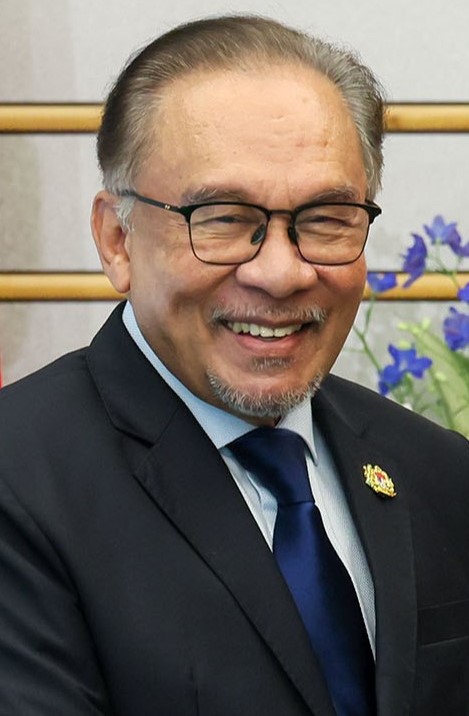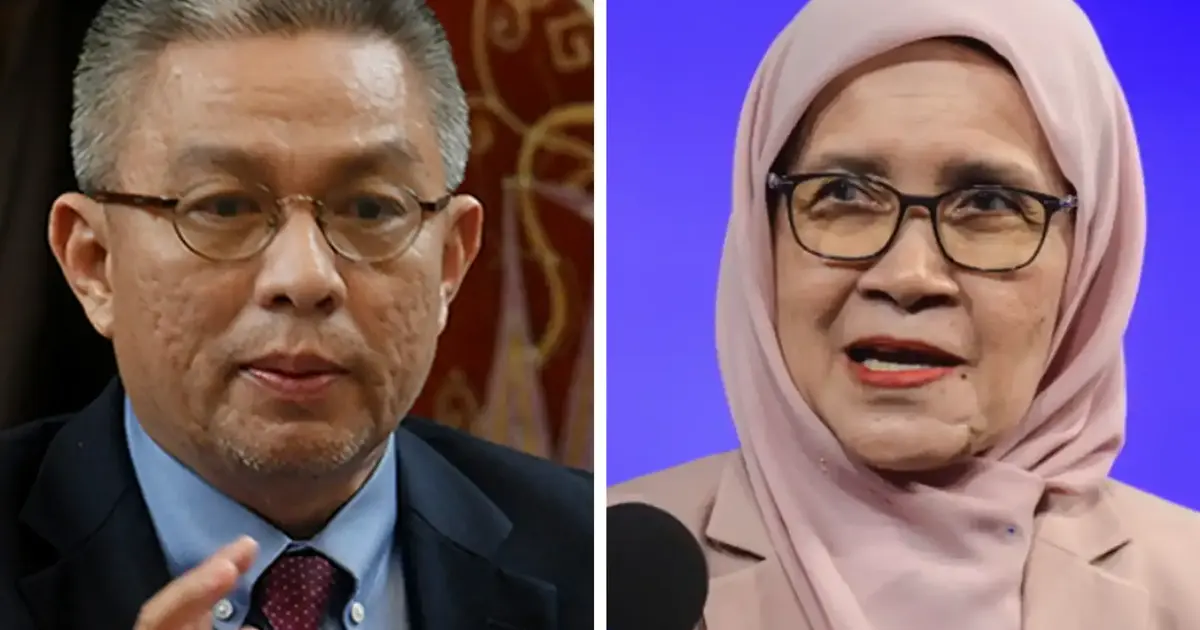
Onn Hafiz Ghazi, the Barisan Nasional chairman for Johor and a former federal health minister, has confirmed his intention to defend his Machap parliamentary seat in the upcoming state elections. The move underscores the continued political prominence of the Umno stalwart within the coalition's electoral strategy in the southern state, where Barisan Nasional traditionally commands substantial electoral influence.
Machap, located in Johor, has emerged as a significant battleground in recent election cycles, reflecting broader shifts in voter preferences across peninsular Malaysia. Onn Hafiz Ghazi's decision to contest the seat signals Barisan Nasional's confidence in retaining control of this particular constituency, despite periodic challenges from opposition parties. His candidacy also highlights the coalition's reliance on established political figures to shore up support in competitive districts.
The former health minister brings considerable ministerial experience to his campaign, having served in a critical portfolio during a period of significant health-sector challenges. His tenure in the health ministry provided him with visibility and a platform to address constituency concerns, though it also exposed him to public scrutiny over policy decisions and resource allocation. For many voters in Machap, his previous governmental role represents either an asset demonstrating competence or a liability depending on their assessment of his performance in that position.
Onn Hafiz Ghazi's status as a returning Umno member merits particular attention. The Umno party, historically the dominant force within Barisan Nasional, has experienced significant organisational and credibility challenges over recent years. The party's efforts to rebuild its political machinery and restore public confidence have depended substantially on deploying experienced figures who can mobilise the traditional support base. His return to active electoral competition reflects these broader party strategies to stabilise its standing in key states.
Johor's electoral dynamics have become increasingly complex, with demographic changes, economic pressures, and evolving political preferences reshaping voting patterns. Urban constituencies like portions of Machap have witnessed growing numbers of younger, more independent-minded voters, while rural areas maintain strongholds of traditional support for Barisan Nasional. Onn Hafiz Ghazi's campaign will need to navigate these diverse constituencies within his electoral division, crafting messages that resonate across generational and geographic divides.
The decision to field him as Johor BN chairman adds another dimension to his candidacy. Regional leadership positions within the coalition carry responsibility for coordinating electoral efforts, managing intra-coalition tensions, and articulating the Barisan Nasional platform to voters. This dual role as both a constituency candidate and state-level coalition leader places considerable demands on his political capital and organisational capacity during the campaign period.
Barisan Nasional's performance in Johor carries implications extending beyond state-level politics, influencing the broader narrative around coalition viability in Malaysian elections. As one of the country's most populous and economically significant states, Johor's electoral results receive disproportionate media attention and shape perceptions of political momentum nationally. Onn Hafiz Ghazi's contest in Machap thus carries weight beyond his individual electoral prospects, functioning as a bellwether for coalition strength in the region.
The opposition landscape in Johor has become increasingly fractious, with multiple parties competing for anti-Barisan Nasional votes. This fragmentation theoretically benefits the incumbent coalition, provided it maintains organisational cohesion and prevents leakage to smaller competitors. Onn Hafiz Ghazi's established political networks and previous ministerial visibility position him to capitalise on such opposition divisions, though regional opposition movements have demonstrated capacity for tactical coordination in specific constituencies.
Economic conditions prevailing during the election campaign will inevitably shape voter calculations. Cost-of-living pressures, employment prospects, and infrastructure development priorities frequently dominate grassroots discussions during electoral periods. As a former health minister with potential claims regarding contributions to public welfare, Onn Hafiz Ghazi may attempt to highlight such governmental achievements whilst also positioning himself as responsive to economic concerns raised by constituents.
The timeline and coordination of Johor elections with other electoral events will influence campaign intensity and resource allocation. Should the state elections coincide with other contests, political parties must distribute their organisational energies strategically. For Umno and Barisan Nasional, deploying prominent figures like Onn Hafiz Ghazi in high-stakes constituencies reflects careful electoral planning aimed at securing critical victories that sustain coalition governance.