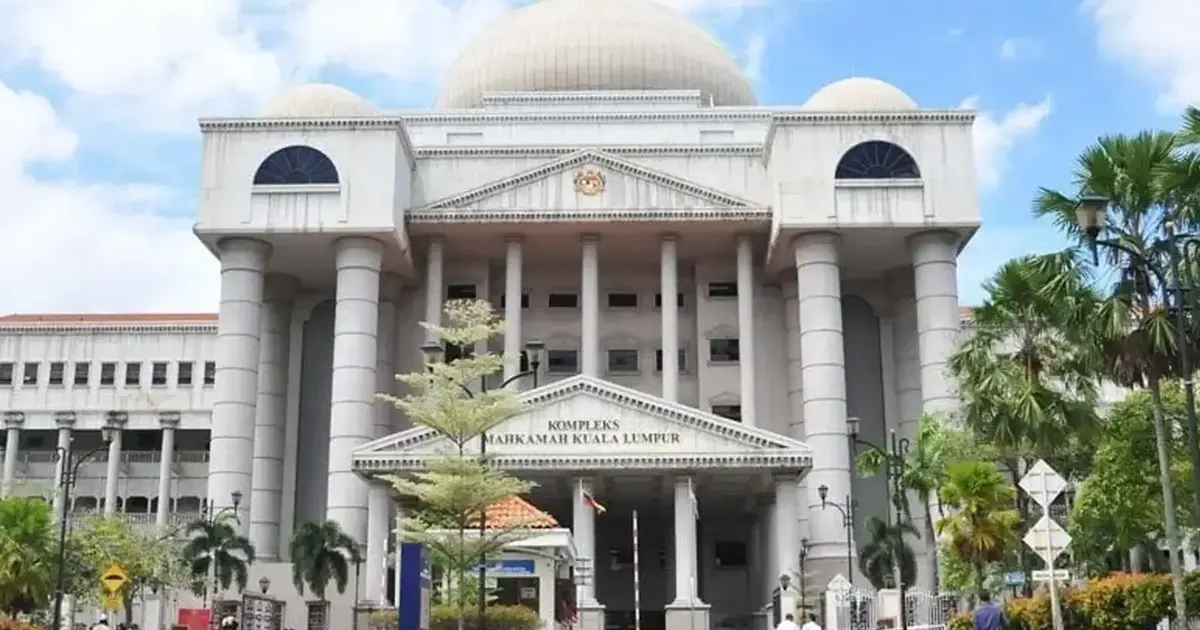
A former government minister is set to appear in court tomorrow to face charges in what marks another significant development in Malaysia's ongoing anti-corruption drive. The Malaysian Anti-Corruption Commission confirmed that the charging procedure would commence at 9am, signalling the culmination of an investigation into allegations that have drawn considerable attention from both the public and political circles.
The MACC's decision to press charges represents a critical juncture in the country's efforts to combat high-level corruption and hold senior officials accountable for their actions. Such prosecutions of former ministers have become increasingly visible in recent years, reflecting a shifting landscape in Malaysia's political and institutional accountability framework. The case underscores the commission's commitment to pursuing investigations regardless of an individual's former status or political standing.
Charges against prominent political figures carry substantial implications for Malaysia's governance narrative. They signal to both domestic and international observers that no position—however elevated—shields individuals from legal scrutiny when evidence of wrongdoing emerges. For Malaysian citizens, such developments often generate considerable public interest, as they touch upon questions of integrity, institutional trust, and the rule of law at the highest levels of government.
The formal charging process represents merely one stage in what is typically a lengthy legal journey. Should the charges proceed, the case would likely enter the trial phase where evidence would be presented and arguments tested in court. The outcome could establish important precedents regarding how Malaysian law applies to former office-holders and the standards of conduct expected from those who have wielded executive power.
For Southeast Asia's political landscape, Malaysia's willingness to prosecute former ministers demonstrates institutional resilience and independence. Neighbouring countries observe how regional democracies handle such matters, and cases of this nature influence perceptions about institutional credibility and the strength of rule-of-law frameworks across the region. The visibility of such proceedings contributes to broader discussions about governance standards in Southeast Asia.
The 9am charging scheduled for tomorrow will take place within Malaysia's established legal procedures, which require formal presentation of charges before a court. This procedural step allows the accused to hear the allegations against them, respond to the charges, and access their legal representation. The court proceeding will mark the official transition from investigation to judicial proceedings, where due process protections come into full effect.
Anticipation surrounding such cases often extends beyond legal circles to encompass political commentary and media scrutiny. Different constituencies interpret the significance of charging decisions through various lenses—some viewing them as essential accountability measures, others potentially scrutinising their timing or context. For Malaysian media and observers, the proceedings tomorrow will warrant close attention as the case unfolds through subsequent court appearances.
The MACC's role in investigating and referring cases for prosecution has evolved significantly, particularly as the commission has expanded its capacity and refined its investigative methodologies. The agency's ability to build cases against high-level targets requires substantial investigative resources and technical expertise. The fact that this particular investigation has advanced to the charging stage indicates that investigators accumulated sufficient evidence to satisfy prosecutors that grounds existed for formal legal action.
The implications of such prosecutions extend to Malaysia's international standing and its efforts to demonstrate commitment to anti-corruption standards. Global rankings and assessments of governance frequently cite a nation's willingness to prosecute corruption cases involving senior officials as an indicator of institutional integrity. Successfully prosecuting former ministers, should convictions result, strengthens Malaysia's position within international governance assessments and signals concrete follow-through on anti-corruption commitments.
As Malaysia continues navigating complex political dynamics, cases involving former ministers provide opportunities for courts to interpret and apply anti-corruption legislation in real-world contexts. Judicial decisions in such cases contribute to the broader legal architecture surrounding official corruption, potentially clarifying standards and procedures for future investigations. The transparency of court proceedings allows civil society and citizens to observe how the justice system treats high-profile cases.
The coming months will likely see continued developments as the case progresses through the judicial system. Court appearances, bail hearings, disclosure of evidence, and pre-trial procedures will unfold according to Malaysia's criminal justice processes. Each stage may generate further public interest and media coverage, keeping accountability questions prominently featured in national discourse.
Meanwhile, the broader political context in which these legal proceedings occur remains relevant. How different political actors and parties respond to the charges, and the manner in which public discourse develops around the case, will reflect Malaysia's contemporary political climate and shifting attitudes toward institutional accountability. The case demonstrates that political transitions and changing electoral outcomes have created space for prosecutorial action that might not have been feasible in previous eras.

