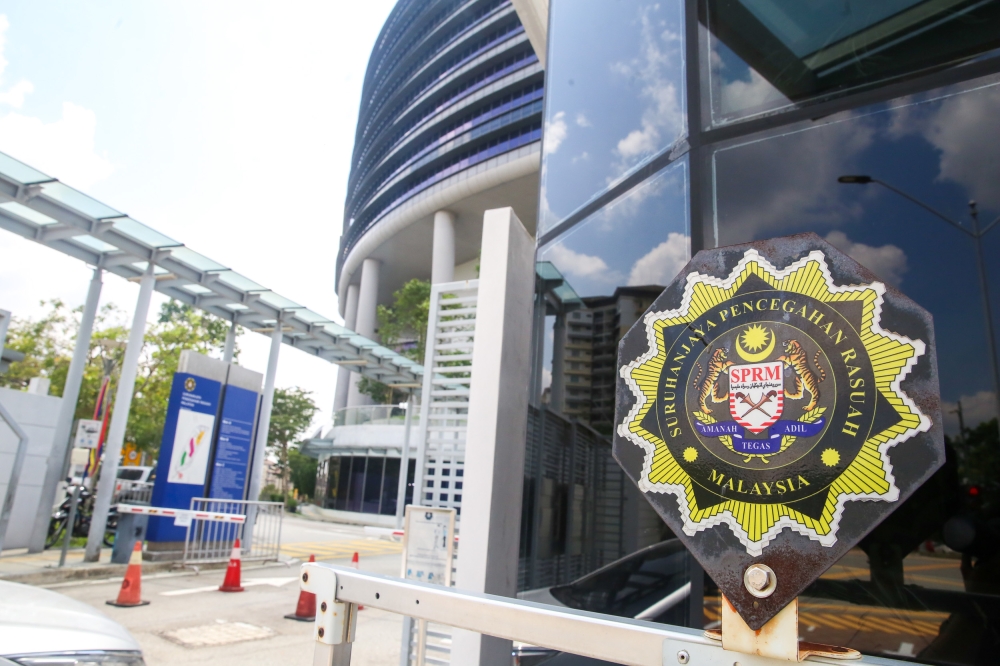
The Malaysian Anti-Corruption Commission (MACC) in Kuala Lumpur has secured a four-day remand order for a former civil servant suspected of orchestrating a substantial welfare fraud scheme. The individual is alleged to have systematically misused the personal information of eleven people to unlawfully claim social assistance payments, accumulating approximately RM300,000 through the scheme. This case underscores growing vulnerabilities in the distribution of government aid programmes and the risks posed by insider threats within the public service.
According to the agency's investigation, the suspect exploited his knowledge of administrative systems and access to official channels to execute the fraudulent claims. By leveraging the identities of multiple individuals, the former employee was able to lodge applications for welfare benefits while channelling the payments to accounts under his control. The scheme's scale—involving more than a dozen victim identities and financial gains exceeding RM300,000—suggests a carefully coordinated operation rather than isolated impropriety.
This case reflects a persistent problem affecting Malaysia's social welfare infrastructure: the challenge of securing beneficiary data and preventing unauthorised access by personnel within government agencies. The misuse of personal information, particularly by someone with official standing and system familiarity, highlights deficiencies in internal controls and oversight mechanisms that are supposed to safeguard citizen records. Such breaches erode public confidence in the integrity of assistance programmes and divert limited resources away from genuine beneficiaries.
The four-day remand period will allow MACC investigators to conduct thorough questioning and gather additional evidence. Authorities are likely examining the suspect's access logs, financial transactions, and communications with financial institutions to establish the full scope of the operation. Understanding how the scheme remained undetected for what appears to be an extended period will also be crucial, as it may reveal systemic gaps in audit procedures and benefit distribution oversight.
For Malaysia's social welfare ecosystem, this investigation carries significant implications. The government allocates substantial budgets annually to assistance schemes targeting vulnerable populations, including the underprivileged, disabled individuals, and those affected by economic hardship. When internal actors siphon these resources through fraudulent means, the impact extends beyond financial loss—it diminishes the purchasing power available for intended recipients and undermines the credibility of welfare administration.
The involvement of a former civil servant raises questions about recruitment vetting, ongoing staff monitoring, and the organisational culture within welfare distribution agencies. Government departments handling sensitive beneficiary information must implement stronger preventive measures, including restricted data access based on job function, regular audits of benefit disbursement patterns, and cross-verification systems that flag unusual claims. Training programmes emphasising ethical conduct and accountability should also form part of institutional strengthening efforts.
From a Southeast Asian perspective, Malaysia is not alone in facing such challenges. Welfare fraud perpetrated by insiders represents a regional concern, with several countries experiencing similar scandals in recent years. The ability to address these issues effectively depends on robust investigation agencies, transparent administrative systems, and a commitment to prosecuting offenders regardless of their official status. MACC's intervention signals the authorities' determination to pursue such cases, though systemic reforms remain essential for lasting prevention.
The four individuals claiming to have been victimised by this scheme face additional complications. Beyond the immediate loss of funds rightfully belonging to them, they may need to address complications in their personal credit records and government benefit histories. The authorities will need to work with welfare agencies to restore their eligibility status and ensure they receive the assistance they were entitled to during the period their identities were fraudulently used.
Prosecution of the suspect, should evidence prove sufficient, will likely proceed under provisions of the Malaysian Anti-Corruption Commission Act as well as statutes governing fraud and identity theft. Sentencing outcomes in comparable cases have ranged significantly, depending on the value of amounts misappropriated and the accused's position of trust. This case may set important precedent for how the courts assess culpability among public sector employees who abuse their official standing to commit financial crimes.
Moving forward, the incident should catalyse policy reviews across government departments that manage large-scale benefit distribution. Implementing digital verification systems, biometric authentication, and real-time cross-agency data-sharing platforms could substantially reduce opportunities for the type of exploitation alleged in this case. Malaysia's transition toward a more digitalised governance framework offers an opportunity to embed security and accountability measures from the outset, rather than retrofitting controls after fraud is discovered.
The MACC investigation represents an important accountability mechanism in protecting public resources. As the case progresses through the legal system, it will provide valuable intelligence about how similar schemes might be prevented or detected earlier. Public transparency regarding the investigation's findings, once prosecutions conclude, could also serve an educational function for other government agencies managing sensitive beneficiary databases and ensuring their staff understand both the legal consequences and the moral implications of abusing citizen information for personal gain.

