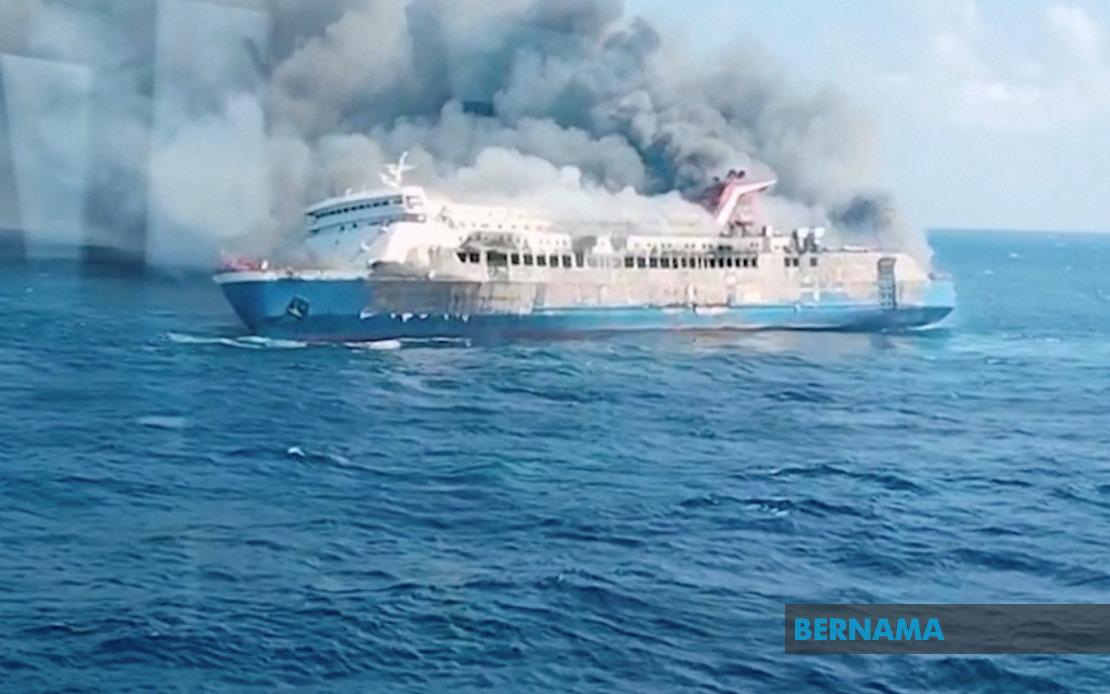
A major maritime disaster unfolded off the coast of Madura in Indonesia on August 2 when the KMP Mutiara Santosa 2, a passenger ferry, burst into flames while navigating waters in the northern region of Sumenep. The incident has claimed at least five lives, with 41 passengers and crew members still unaccounted for as search and rescue teams work against the clock to locate survivors in one of the region's most significant maritime emergencies in recent months.
The ferry was operating under a passenger manifest of 232 travellers alongside 39 crew members when the fire erupted. The vessel was en route from Surabaya, a major Indonesian port city, to Makassar in South Sulawesi when disaster struck. The Surabaya Search and Rescue Office, led by Chief Nanang Sigit, confirmed that the initial distress call came through at 8:24 am local time, prompting an immediate mobilization of rescue assets and personnel from multiple agencies across the region.
By 4 pm on the day of the incident, rescue teams had successfully evacuated 225 survivors from the burning vessel. The emergency response appears to have prevented a far greater loss of life, as passengers were clustered on the bridge and forward sections of the ferry while awaiting assistance. This concentration of survivors in accessible areas of the ship proved crucial to the rescue operation's effectiveness, allowing rescue personnel to systematize their evacuation efforts and prevent panic from escalating casualties.
Witnesses and survivors reported harrowing scenes as the blaze consumed much of the ferry's structure. Nanang Sigit described how the majority of the vessel had been engulfed and severely damaged by flames, creating an inferno that forced both passengers and crew into desperate situations. In the chaos, several passengers made the dangerous decision to abandon ship and leap into the surrounding seas, a common survival tactic in maritime disasters though carrying its own grave risks. Fortunately, several of these individuals were pulled from the water by fishing boats and other vessels operating in the vicinity, adding to the total number of rescued survivors.
The search and rescue operation represents a coordinated effort involving numerous government agencies and emergency services, with multiple assets including ships, helicopters, and trained personnel deployed across the search zone. Teams have continued operations well beyond the initial rescue phase to locate the 41 individuals still missing. The waters off Sumenep present challenging conditions for search operations, with currents, weather patterns, and the vast expanse of sea complicating systematic recovery efforts. Rescue coordinators have emphasized the urgency of locating missing persons within the critical window when survival prospects remain viable.
For Malaysia and other Southeast Asian nations, this incident underscores persistent vulnerabilities in maritime transport infrastructure and safety protocols across the region. While Indonesia has made improvements in maritime safety standards over the past decade, aging ferries operating on key domestic routes continue to present significant risks to passengers. Many vessels plying regional waters were constructed decades ago and may lack modern fire suppression systems, emergency communication equipment, and comprehensive crew training programmes. The KMP Mutiara Santosa 2's rapid deterioration when flames took hold suggests potential deficiencies in onboard fire management capabilities.
Investigations into the cause of the fire remain ongoing, with Indonesian authorities undertaking a formal inquiry to determine whether the blaze originated from mechanical failure, electrical malfunction, cargo-related issues, or human error. The preliminary findings of this investigation will carry implications not only for Indonesia's maritime regulatory framework but potentially for ferry operations throughout Southeast Asia. Malaysian maritime authorities routinely monitor developments in neighbouring countries' shipping incidents, particularly those involving vessels that might transit Malaysian waters or carry passengers with Malaysian connections.
The economic dimension of this tragedy also merits consideration. Maritime transport serves as the economic lifeline for Indonesia's archipelago, connecting thousands of islands and millions of inhabitants. Ferries like the KMP Mutiara Santosa 2 represent affordable transportation for ordinary Indonesians, particularly those unable to afford air travel. Incidents of this magnitude erode public confidence in ferry services and may prompt regulatory tightening that could increase operational costs and fares, potentially placing travel further out of reach for lower-income populations across the region.
For Malaysian tourists and business travellers who occasionally use Indonesian ferry services, and for Indonesian migrant workers and students present in Malaysia, this disaster serves as a sobering reminder of transportation safety considerations. Regional maritime cooperation frameworks may need to address inter-country standards harmonization and shared emergency response protocols, particularly for incidents occurring in border regions or involving cross-national passenger movements.
The personal toll on survivors cannot be underestimated. Those rescued face potential injuries, trauma, and grief over lost family members and companions. Indonesia's social welfare systems will need to coordinate with relevant authorities in Surabaya and Madura to provide psychological support, medical treatment, and compensation assistance to affected individuals and families. Regional humanitarian organizations and neighbouring governments may also contribute support resources given the magnitude of the incident.
As rescue operations continue in the hours and days following the fire, authorities must balance the immediate need to locate missing persons with the parallel requirement to conduct a thorough investigation into root causes. This dual mandate will determine whether lessons learned from this tragedy translate into meaningful improvements in ferry safety standards across the Indonesian archipelago and potentially influence maritime policy discussions throughout Southeast Asia.

