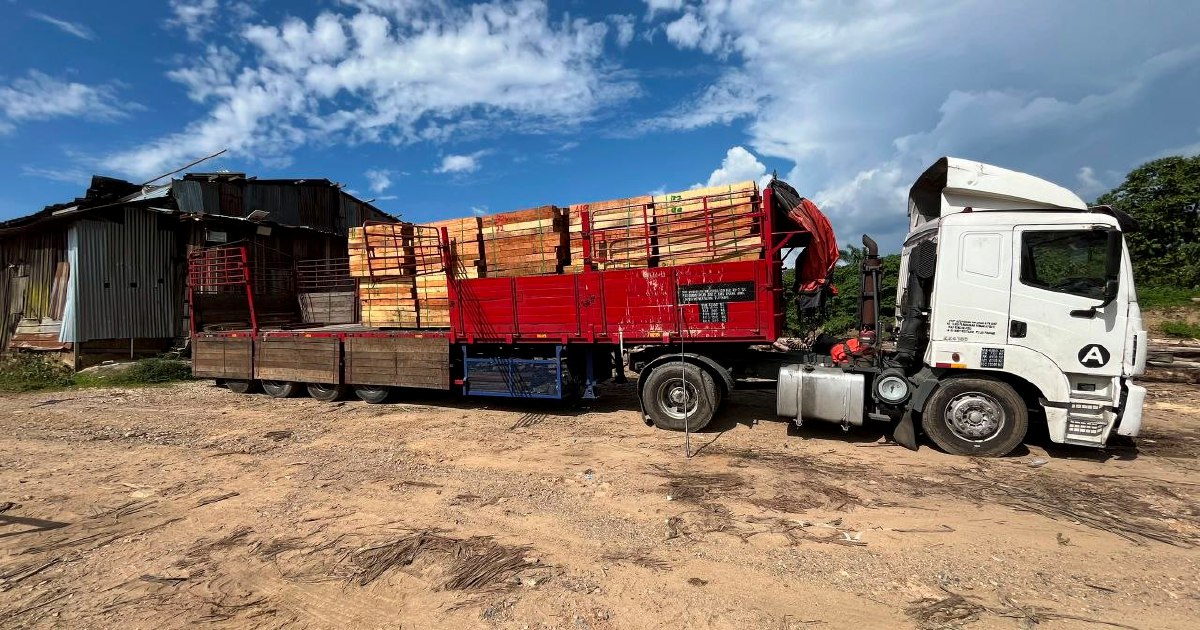
Authorities have dismantled a clandestine timber processing operation in Kelantan's Kuala Krai district, resulting in five arrests and the seizure of assets worth RM2.32 million. The operation unfolded at a factory located in Sungai Embak, where enforcement teams discovered evidence of systematic illegal timber milling activities. The scale of the haul—encompassing processing machinery, related equipment, and substantial quantities of timber—underscores the sophistication and financial resources behind what appears to have been a well-established enterprise.
The arrest of five individuals signals intensifying efforts by relevant agencies to combat the illegal timber trade, which remains a persistent challenge across Malaysia's forested regions. The Kelantan region, particularly districts like Kuala Krai bordering Terengganu, has historically been susceptible to such operations owing to accessibility to forest resources and proximity to major distribution networks. The timing and execution of this raid suggest coordinated intelligence gathering and enforcement planning, reflecting growing operational focus on dismantling supply chains that feed illicit timber into domestic and potentially export markets.
Illegal timber processing represents a multifaceted violation—it contravenes forestry regulations, evades taxation, and frequently involves the misappropriation or smuggling of timber harvested from protected areas or without proper licensing. The RM2.32 million asset recovery indicates substantial economic activity occurring outside regulatory oversight. For context, Malaysia's formal timber industry operates under strict licensing, quota, and sustainability frameworks; illegal operators bypass these entirely, creating unfair competition while depleting forest resources unsustainably. The recovered machinery represents the operational infrastructure that transforms raw timber into marketable products, suggesting the factory may have been functioning as a distribution hub.
The seizure of equipment and processed stock rather than merely raw logs indicates the operation had progressed beyond initial logging stages. This sophistication poses particular enforcement challenges, as identifying individual pieces of timber after processing becomes difficult without specialized forensic techniques. Malaysian authorities have increasingly adopted digital tracking and chemical marking systems to trace timber origin, yet clandestine mills present ongoing obstacles to verification efforts. The factory setting in an industrial area like Sungai Embak, rather than remote jungle locations, suggests operational boldness or insufficient enforcement presence—both factors that regional authorities will likely address through follow-up patrols and stricter monitoring.
Kelantan's forestry sector, while economically significant, faces mounting pressure from illegal operations that undermine legitimate timber businesses and state revenue. Licensed operators invest substantially in compliance, sustainability measures, and taxes; unregulated competitors operating from facilities like the one discovered can undercut legitimate pricing while evading the financial obligations imposed on lawful enterprises. This dynamic incentivizes corruption and border-zone operations, where enforcement jurisdiction remains ambiguous. The five arrests may therefore include not only mill operators but potentially intermediaries, brokers, or transportation coordinators who facilitate market movement of timber from extraction through processing to eventual sale.
Environmental ramifications extend beyond immediate timber loss to ecosystem degradation and species habitat destruction. If the seized timber originated from protected forest reserves or areas designated for conservation, the operation's impact becomes particularly severe. Kelantan contains significant primary and secondary forest ecosystems critical for biodiversity and water catchment functions; unchecked illegal logging accelerates deforestation rates and fragments remaining habitats. Climate considerations add weight to enforcement efforts, as forest loss contributes to carbon emissions and reduces the state's natural carbon sequestration capacity—increasingly relevant as Malaysia positions itself as environmentally conscious within regional climate dialogues.
The asset value mentioned—RM2.32 million—likely encompasses machinery depreciation and current market value of timber stocks. Processing equipment alone (sawmills, planners, drying facilities) can represent six-figure investments; the total figure suggests a well-capitalized operation. This financial dimension indicates potential transnational connections or organized crime involvement, as illicit timber networks frequently intersect with money laundering and broader underground economies. Investigative authorities will likely examine financial flows, ownership structures, and customer networks to determine whether the five arrested individuals represent the complete operational hierarchy or merely frontline workers for larger criminal organizations.
Malaysia's approach to combating illegal timber has evolved significantly, incorporating technology, inter-agency coordination, and international cooperation. This raid reflects those institutional improvements, yet sustained enforcement remains resource-intensive. Kelantan's enforcement agencies must balance forest protection against fiscal constraints and personnel availability. Regional cooperation with Terengganu and Pahang authorities becomes essential, given the porous nature of state boundaries and the likelihood that timber networks operate across multiple jurisdictions. Cross-border initiatives, information sharing, and harmonized enforcement standards strengthen the collective capacity to disrupt illicit supply chains.
Looking forward, the case illustrates ongoing vulnerabilities in Malaysia's timber sector despite regulatory frameworks. The existence and apparent longevity of the Sungai Embak operation suggests that detection mechanisms may lag behind operational sophistication. Enhanced community reporting, technology deployment in monitoring forest and industrial areas, and stricter penalties for participants in illegal timber networks could strengthen deterrence. For Malaysian readers, particularly those in timber-dependent regions, the raid represents progress in enforcement but also a reminder of deep-rooted challenges in natural resource governance that require sustained attention and resources to meaningfully address.

