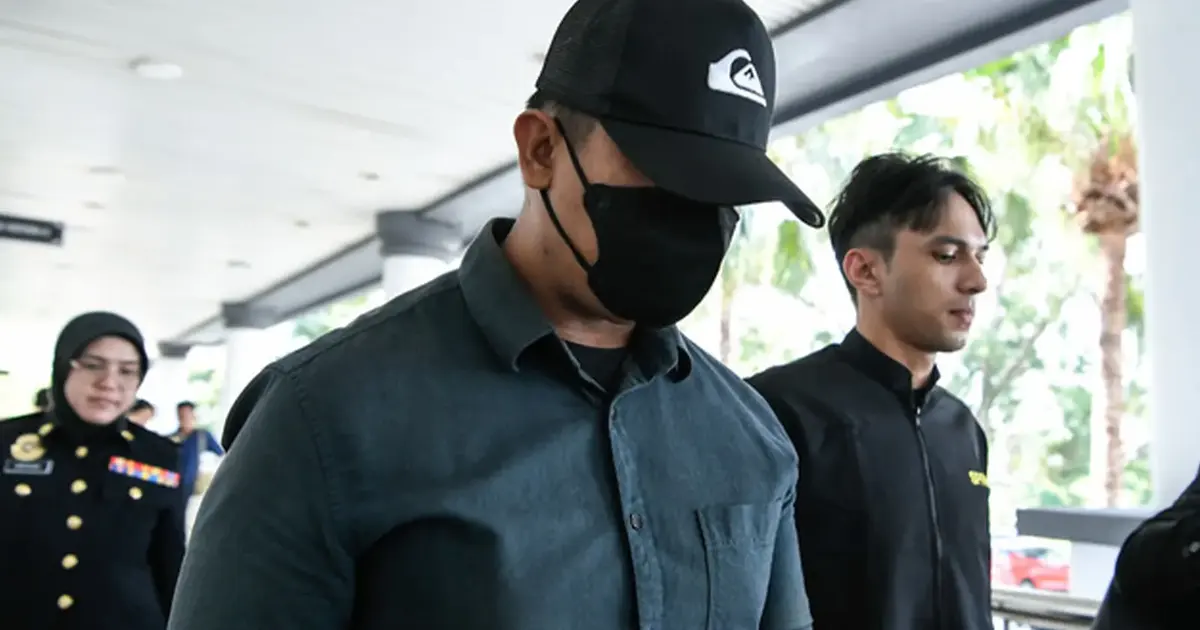
A Malaysian fire superintendent has been formally charged with accepting approximately RM11,500 in bribes to facilitate the issuance of licensing support documentation from the fire and rescue department, marking the latest corruption case involving a senior government official. Johari Bar Azwar allegedly received payments totalling RM1,500 in 2024 and RM10,000 in the previous year, with the sums offered as incentives to process licensing support letters on behalf of business owners seeking departmental approval.
The case represents a concerning pattern of misconduct within Malaysia's regulatory framework, where officials responsible for public safety have allegedly exploited their authority to solicit personal payments. The allegations centre on Johari's position within the fire and rescue department, suggesting that legitimate business processes requiring departmental endorsement have been compromised by informal payment arrangements. Such conduct undermines confidence in Malaysia's licensing and regulatory mechanisms, which depend on transparent, merit-based assessment rather than financial consideration.
Licensing support letters from Malaysia's fire and rescue department serve as critical documentation for businesses requiring departmental verification during the licensing process. These letters typically confirm compliance with fire safety standards, building codes, and emergency protocols. By allegedly conditioning the issuance of such letters on personal payments, officials effectively create parallel systems where well-connected or financially capable businesses receive expedited or assured approvals, whilst others navigate the legitimate process. This gatekeeping function gives regulatory officials substantial leverage over business operations.
The temporal spread of the alleged offences—spanning from 2023 through 2024—suggests the arrangement may have operated systematically rather than as isolated instances of misconduct. The disparity in amounts, with the 2024 payment substantially lower than the 2023 receipt, potentially reflects variations in specific requests or negotiated rates. Such variability in alleged payments could indicate customised arrangements tailored to individual business circumstances, rather than standardised corrupt practices.
Corruption involving regulatory approvals carries particular consequences for Malaysia's business environment. When officials demand informal payments in exchange for necessary licensing documentation, they effectively impose hidden taxes on compliant businesses whilst creating competitive disadvantages for entities unwilling to engage in corrupt practices. Small and medium enterprises, which lack established networks with regulatory bodies, often face disproportionate burdens from such schemes.
The fire and rescue department's responsibility for public safety makes integrity within its ranks especially critical. Officials overseeing fire safety compliance, building evacuation procedures, and emergency response capabilities must operate with complete impartiality. When officials simultaneously assess safety standards and accept payments from applicants, potential conflicts of interest emerge. A superintendent who has received payments from a business may be less rigorous in evaluating that business's genuine compliance with safety requirements, creating public safety implications beyond the corruption itself.
Malaysia's anti-corruption authorities have intensified efforts targeting white-collar offences and governmental misconduct over recent years. Cases involving licensing and regulatory bodies have received particular attention, reflecting recognition that such corruption affects broader economic activity. The charging of Johari Bar Azwar aligns with this prosecutorial focus on mid to senior-level officials whose authority directly influences business access and operational viability.
The formal charges signal potential consequences for officials implicated in accepting bribes. Malaysian anti-corruption statutes carry substantial penalties including imprisonment and asset forfeiture. Conviction could result in removal from public service, significant custodial sentences, and reputational damage extending beyond professional consequences. Such cases also prompt departmental reviews and procedural modifications aimed at preventing similar misconduct among remaining staff.
For businesses operating in Malaysia's regulatory environment, the case underscores risks associated with corrupt engagements. Companies that participate in bribery schemes face exposure to law enforcement action, regulatory penalties, and potential loss of licensing approval should corruption emerge. The Malaysian government has occasionally targeted both officials and business actors complicit in corrupt arrangements, making such schemes risky for all parties involved.
The allegation also reflects broader governance challenges affecting Malaysia's public institutions. While individual cases may represent anomalies rather than systemic patterns, cumulative instances of corruption by regulatory officials erode public confidence in governmental processes. Citizens and business operators may become cynical regarding the neutrality of departmental decision-making, reducing voluntary compliance with regulations and legitimate approval processes.
Moving forward, the fire and rescue department may implement strengthened oversight mechanisms, including standardised assessment procedures, segregation of responsibilities, and enhanced transparency requirements. Digital systems for tracking applications and approvals can reduce opportunities for informal payment arrangements whilst creating documentary evidence of decision-making processes. Training programmes emphasising ethical standards and anti-corruption principles may reinforce expectations for departmental conduct.
The case also raises questions about detection mechanisms within Malaysian governance structures. How long such arrangements operated before formal investigation, and which reporting mechanisms ultimately triggered the charges, provides insight into the effectiveness of internal controls and whistleblower protections within government departments. Strengthening such systems could prevent extended corruption periods and encourage earlier reporting of misconduct by colleagues or witnesses.

