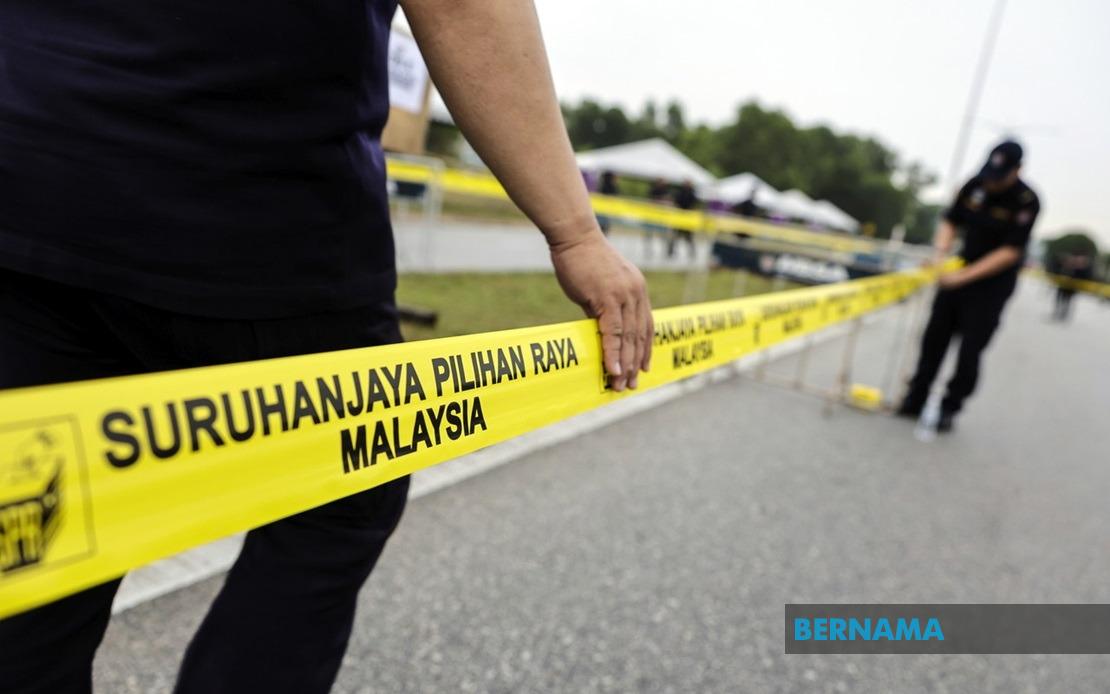
The Malaysian Meteorological Department has issued a generally optimistic weather forecast for Negeri Sembilan ahead of tomorrow's nomination day for the state's 16th general election, with most districts anticipating clear conditions during the critical morning hours when candidates formally register. MetMalaysia director-general Dr Mohd Hisham Mohd Anip predicted that fair skies would prevail across five key districts—Jelebu, Jempol, Kuala Pilah, Rembau and Tampin—though Port Dickson and Seremban are anticipated to experience rainfall during the same period, potentially affecting logistics at nomination centres in those areas.
The forecast presents a mixed picture for the electoral process. While morning sessions in most districts should proceed under favourable conditions, the meteorological department has signalled that thunderstorms will likely develop across much of the state during afternoon hours. This timing is noteworthy given that the nomination process will conclude by mid-morning, allowing candidates and supporters to complete registrations before weather conditions deteriorate. The department has emphasised that any precipitation is expected to be transient and moderate in intensity, characterising it as passing showers rather than sustained downpours that might disrupt broader electoral activities.
Temperature readings throughout Negeri Sembilan are forecast to range between 23 and 24 degrees Celsius at their lowest during early morning hours, with daytime maximums climbing to between 32 and 33 degrees Celsius. These conditions are typical for the region during July and should not present unusual challenges for candidates, electoral workers, or the general public participating in the nomination process. The prediction of relatively mild overnight temperatures combined with warm but not extreme daytime heat suggests comfortable working conditions for the eight nomination centres that will operate simultaneously across the state.
Dr Mohd Hisham has advised all stakeholders—including candidates representing various political coalitions, their campaign teams, and election commission personnel—to remain updated on weather developments through the MetMalaysia website and official channels. This guidance reflects recognition that while the overall forecast is benign, localised conditions could shift, and having real-time information accessible to electoral officials and participants would facilitate smoother operations. The advisory underscores the practical importance of meteorological data in logistical planning for large-scale electoral events.
The nomination process itself will commence at 9 am tomorrow and conclude at 10 am across all eight designated centres, with returning officers formally announcing confirmed candidates immediately thereafter. This compressed one-hour window creates a concentrated administrative undertaking that, if weather cooperates as predicted, should proceed without significant delays. The fair conditions expected in the majority of districts align favourably with the tight scheduling requirements of the electoral commission.
Pakatan Harapan has committed to contesting all 36 state assembly seats, with seat allocations reflecting coalition mathematics: PKR holds 16 candidatures, DAP 11, and Amanah nine. Barisan Nasional is fielding candidates in 25 seats, distributed as 16 from UMNO, seven from MCA, and two from MIC, signalling a more concentrated challenge compared to the opposition's total slate. Perikatan Nasional will contest 11 seats through a multi-party arrangement, contributing five candidates from PAS, four from Parti Wawasan Negara, and single candidates from Gerakan and the Malaysian Indian People's Party, demonstrating the fragmented nature of opposition politics in the state.
Several smaller parties are also participating, with Parti Orang Asli Malaysia, Parti Sosialis Malaysia, and Parti Barisan Jemaah Islamiah Se-Malaysia each nominating one candidate. Notably, Parti Pribumi Bersatu Malaysia has yet to formally announce its candidate list, with the announcement expected to occur later today. This staggered disclosure of candidacies adds an element of suspense to the nomination day proceedings and reflects the complexity of electoral coalition-building in contemporary Malaysian politics.
The Negeri Sembilan State Legislative Assembly comprises 36 seats total, and the assembly's dissolution on June 5 initiated the current electoral cycle. The Election Commission has scheduled July 28 as the date for early voting, primarily accommodating military and police personnel, with general polling day set for August 1. This timeline provides approximately two weeks for campaigning between nomination and election day, a compressed period compared to some previous state contests but consistent with recent electoral practices in Malaysia.
The electoral roll discloses that 889,490 voters are eligible to participate in the election. This figure breaks down into 867,151 ordinary voters who will cast ballots on August 1, alongside 16,884 military personnel and their spouses and 5,455 police officers who are entitled to vote during the early voting session. The voter base reflects Negeri Sembilan's moderate population size relative to more urbanised states like Selangor and Penang, yet the absolute numbers underscore the significant electoral exercise that tomorrow's nominations will initiate.
For observers of Malaysian electoral politics, the Negeri Sembilan contest assumes importance as an early barometer of voter sentiment following national developments. The state's political composition, with its mixture of urban, suburban, and rural constituencies, provides a microcosm of broader peninsular Malaysian demographics. The divergent coalition strategies—Pakatan Harapan's wholesale engagement against Barisan Nasional's selective approach and Perikatan Nasional's fragmented multi-party structure—illustrate competing visions for state governance and reflect national political fault lines.
The favourable weather forecast, should it materialise, eliminates one potential variable that might have complicated the nomination process. Electoral commissions globally recognise that adverse weather can suppress candidate turnout, confuse voters and supporters, and create logistical bottlenecks. Clear skies in most districts during the critical morning hours should therefore facilitate an orderly transition from nomination to campaigning, allowing political parties to focus entirely on substantive electoral challenges rather than weather-related contingencies.

