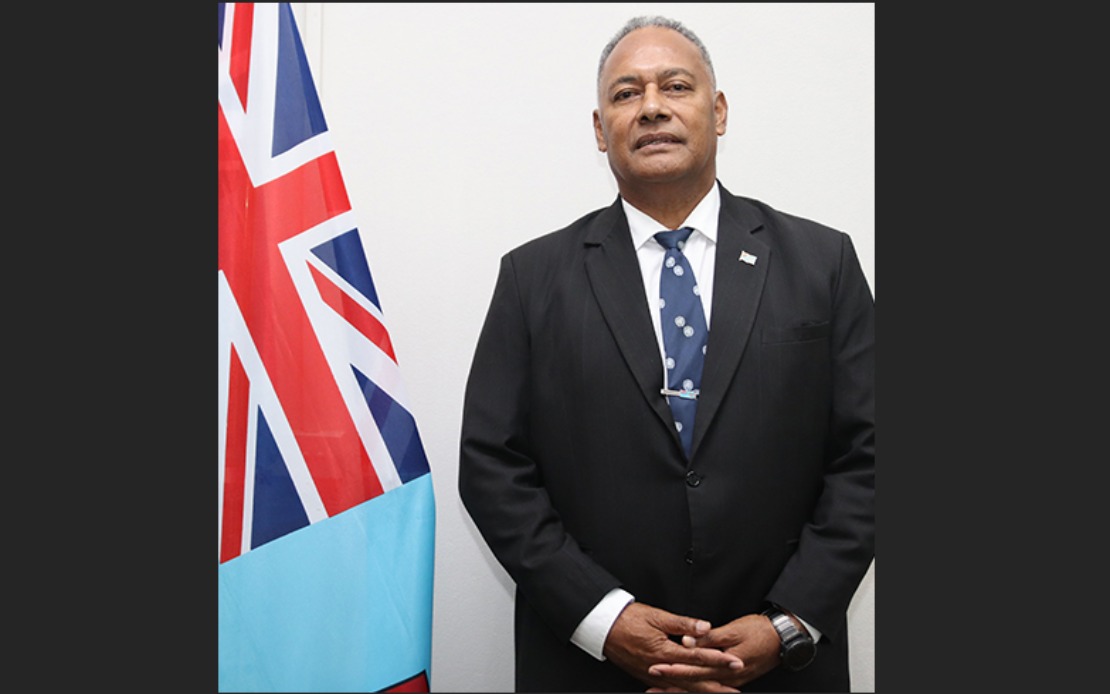
Sakiasi Raisevu Ditoka, Fiji's Foreign and External Trade Minister, is arriving in Malaysia for a four-day working visit beginning Sunday, signalling renewed commitment from the Pacific island nation to deepen its strategic partnership with Southeast Asia's largest economy. The official engagement represents a significant moment for bilateral relations at a time when both nations are seeking to expand their economic footprint across their respective regions.
During his stay through Wednesday, Ditoka will hold substantive discussions with Malaysia's Foreign Minister Datuk Seri Mohamad Hasan, focusing on pathways to elevate commercial and strategic cooperation. The talks will span multiple sectors central to both nations' development agendas, including trade promotion, foreign direct investment frameworks, human resource development initiatives, forest conservation, clean energy transitions, and cultural exchange programmes.
Beyond bilateral matters, the two ministers plan to examine opportunities for Malaysia and Fiji to collaborate more effectively on broader regional and international challenges. This forward-looking dimension reflects recognition that Pacific island nations and Southeast Asian economies share common interests in maritime security, climate resilience, and multilateral engagement within the Indo-Pacific architecture. Such discussions could open pathways for deeper coordination on issues affecting both regions.
A parallel track of engagement will involve Fiji's visiting minister meeting with Datuk Seri Johari Abdul Ghani, Malaysia's Investment, Trade, and Industry Minister. This separate session underscores the economic substance of the visit, with officials seeking concrete opportunities to expand commercial ventures and investment flows. The focus on identifying new economic cooperation models reflects both governments' desire to move relationships beyond ceremonial exchanges toward tangible commercial outcomes.
Two institutional milestones will punctuate Ditoka's visit, demonstrating the formal architecture being constructed to support enhanced ties. The reopening of Fiji's High Commission in Kuala Lumpur signals the Pacific nation's commitment to maintaining robust diplomatic presence in Malaysia, while establishment of the Malaysia-Fiji Business Council provides a dedicated platform for private sector engagement and commercial networking between business communities in both nations.
Trade data reveals a relationship tilted heavily toward Malaysian exports, with bilateral commerce valued at RM880.01 million in 2025. Malaysian shipments to Fiji totalled RM867.92 million, comprising roughly 98 percent of total two-way trade, while Fijian imports into Malaysia reached only RM12.09 million. This asymmetry suggests considerable untapped potential for Fijian goods and services to access the Malaysian market and broader regional supply chains. The business council's establishment may help identify niche sectors where Fiji's unique resources, agricultural products, and services can find growth opportunities.
For Malaysian stakeholders, the Fiji engagement carries strategic significance in the broader context of Southeast Asia's expansion into Pacific affairs. As the region increasingly recognizes the Indo-Pacific's importance to trade routes, security dynamics, and climate adaptation, nations like Fiji represent crucial partners for building influence and establishing mutually beneficial relationships beyond traditional Asian trading blocs. Fiji's geographic position in the South Pacific, combined with its role in regional forums, makes it a valuable ally for Malaysia's long-term regional positioning.
The timing of this visit reflects both nations' desire to move forward after any periods of reduced engagement. Reopening diplomatic infrastructure suggests previous downsizing or constraint in official representation. By reestablishing the High Commission with ministerial fanfare, both governments signal that this relationship warrants priority attention and sustained institutional investment. Such visible recommitment carries symbolic weight in international relations, particularly for smaller nations seeking to maintain relevance and visibility among larger trading partners.
Capacity building emerges as another significant cooperation strand, with Malaysian expertise in areas such as trade administration, investment promotion, and renewable energy technology transfer offering value to Fijian development priorities. Conversely, Fiji's experience in sustainable forestry practices and climate adaptation—critical skills given the Pacific's vulnerability to environmental challenges—could inform Malaysian sustainability strategies. Such knowledge exchange mechanisms strengthen relationships by creating practical interdependence beyond simple commodity trade.
The forestry and renewable energy focus reflects shared commitments to environmental sustainability and energy transition. Both nations face pressures to balance economic development with ecological responsibility. By coordinating on these fronts, Malaysia and Fiji can potentially develop joint projects, share best practices, and collaborate on green financing mechanisms increasingly important to international development funding. This alignment on sustainability could unlock partnership opportunities unavailable in purely extractive economic models.
Cultural exchange components of the visit acknowledge that durable international partnerships rest on people-to-people connections and mutual understanding. Educational exchanges, artistic collaborations, and cultural festivals strengthen the human dimensions of state-to-state relations. For Malaysian citizens, greater exposure to Fijian culture and vice versa builds constituencies invested in the bilateral relationship beyond government circles.
The visit ultimately positions Malaysia as a serious economic and diplomatic partner for Pacific island nations, potentially influencing how regional powers engage with the broader Indo-Pacific community. By elevating engagement with Fiji, Malaysia demonstrates capacity and willingness to nurture relationships that may yield long-term strategic benefits. As geopolitical competition for influence in the Pacific intensifies, such proactive diplomatic overtures by Southeast Asian nations help ensure the region maintains stakes in Pacific affairs.

