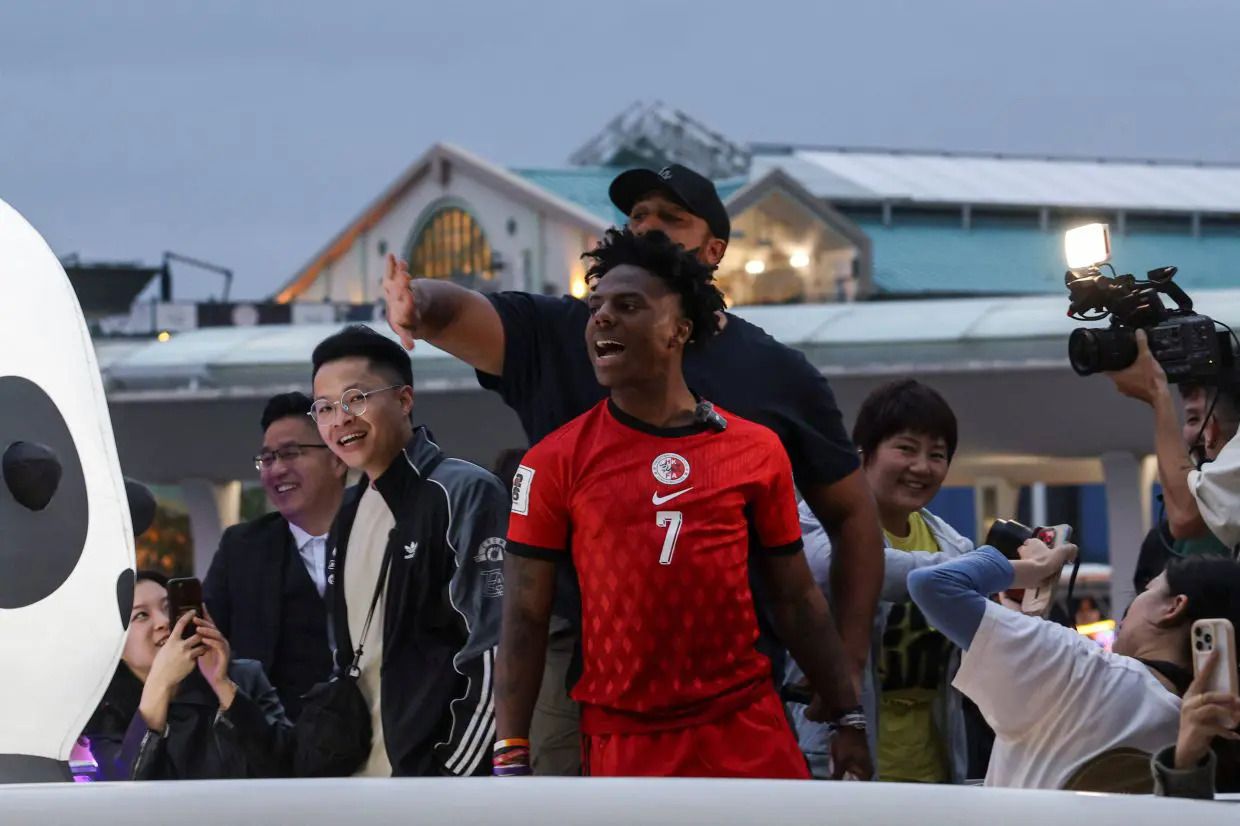
Football's world governing body FIFA has initiated a formal investigation into racist abuse allegedly directed at IShowSpeed, one of the world's most prominent online content creators, during last week's World Cup encounter between Argentina and Cape Verde in Miami. The probe was announced Tuesday through FIFA's official X account, marking the organisation's swift response to what it characterised as a serious breach of the sport's anti-discrimination policies and values.
The incident in question occurred on 3 July 2026 at Miami Stadium, where the streamer experienced targeted racist insults from a supporter. FIFA's statement emphasised its zero-tolerance approach to such behaviour, declaring that racism, hate, and discrimination have no place within football, at World Cup tournaments, or in broader society. The announcement underscores growing pressure on international sports organisations to actively combat discriminatory conduct both on and off the pitch, particularly as digital platforms have amplified the visibility and reach of such incidents.
IShowSpeed, the stage name of Darren Watkins Jr, represents a new generation of digital influencers whose reach and cultural significance rival traditional celebrity athletes. At just 21 years old, the content creator commands a staggering audience of over 57 million subscribers on YouTube alone, with tens of millions additional followers across Instagram, TikTok, and other video streaming platforms. His prominence in digital entertainment has made him a magnet for global attention, transforming his World Cup experience into a significant media event that reaches audiences far beyond traditional sports viewers.
Watkins' presence at the tournament is not incidental but rather the result of a deliberate strategic partnership. FIFA, YouTube, and American broadcaster Fox Sports jointly negotiated a special arrangement permitting the streamer to attend matches and broadcast live coverage to his enormous fanbase. This initiative reflects how sports organisations increasingly recognise the commercial and audience-building potential of digital content creators, particularly those with predominantly younger demographic followings. The arrangement positions IShowSpeed as an unofficial World Cup ambassador to millions of online viewers who might otherwise have limited engagement with traditional football broadcasts.
The targeting of the streamer did not conclude with the 3 July incident at Miami Stadium. According to reports, IShowSpeed faced additional racist abuse during Tuesday's subsequent match between Argentina and Egypt. During this encounter, an Argentine supporter directed a particularly egregious form of racist mockery toward the content creator, imitating animal sounds as a dehumanising gesture. Such repetition of abuse within a span of days suggests a pattern rather than an isolated occurrence, raising broader questions about supporter conduct and stadium safety protocols during the tournament.
The decision to publicly investigate and condemn such incidents carries particular significance given the World Cup's global platform and FIFA's role as custodian of international football standards. By formally initiating an inquiry, the organisation signals that protection against discriminatory abuse extends beyond players and match officials to include accredited media personnel and content creators operating within World Cup environments. This expansion of anti-discrimination enforcement reflects evolving understandings of what constitutes participation in football's ecosystem.
For Malaysian and Southeast Asian readers, this incident illustrates broader tensions within global sports concerning diversity, inclusion, and digital culture. As streaming platforms and content creators gain influence over how sporting events are consumed and interpreted, incidents of racist abuse targeting these digital personalities become matters of international concern. The case also highlights how traditional notions of stadium conduct and supporter behaviour are being recalibrated in an era where matches are simultaneously experienced by millions online, often unfiltered and uncontrolled.
The investigation into IShowSpeed's mistreatment occurs against a backdrop of escalating scrutiny on discriminatory conduct within international football. UEFA, FIFA's European counterpart, has similarly launched numerous investigations into racist abuse targeting players and officials across the continent. However, the focus on a content creator rather than a footballer or official represents new territory, suggesting that football governance structures are adapting to encompass digital personalities whose influence rivals that of athletes themselves.
IShowSpeed's experience raises important questions about venue security, supporter education, and the responsibilities of national football associations to regulate crowd behaviour. Argentina's football authorities, as hosts of the supporter in question, bear particular responsibility for investigating the conduct and implementing appropriate sanctions. The visibility of such incidents through livestreaming and social media amplification means that isolated instances of racism can rapidly become international controversies, potentially damaging national football reputations and tournament credibility.
The broader implications extend beyond individual cases of abusive conduct. As FIFA continues developing its digital strategy and partnerships with content creators, it must simultaneously strengthen mechanisms for protecting these personalities from abuse. This requires coordination between security personnel, streaming platforms, and football authorities to create environments where digital creators can operate safely and access matches without fear of discriminatory treatment. Such measures are essential if the sport hopes to leverage digital influencers as ambassadors while maintaining its commitment to anti-discrimination principles.

