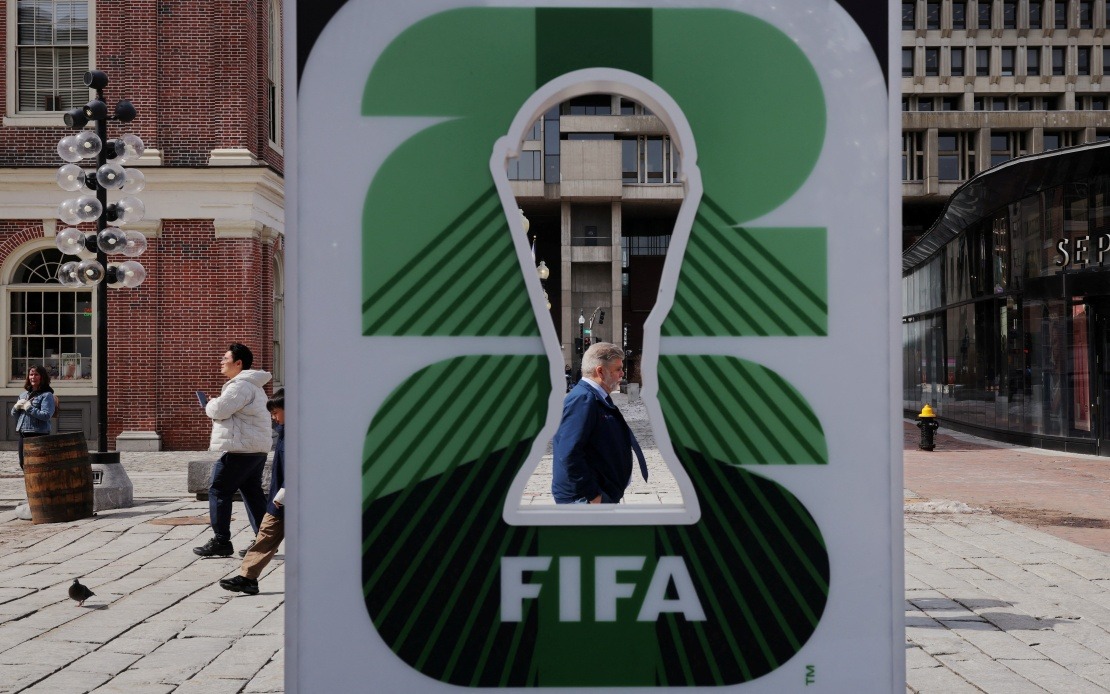
FIFA President Gianni Infantino has decided to shelve his ambitious scheme to attract private investment into the governing body's World Cup operations, marking a significant retreat from a proposal that sparked considerable backlash within international football's power structures. The 56-year-old leader revealed the decision to Sky News on Friday, characterising the initiative as increasingly divisive and ultimately incompatible with football's core mission of unity.
The proposed arrangement would have involved creating a US$20 billion FIFA Forward Enterprise subsidiary to consolidate management of the World Cup and other major tournaments, with private investors permitted to acquire more than 20 per cent ownership. This structure represented an unconventional approach to football governance, as it would have marked one of the first instances where FIFA opened its flagship competition to direct external equity participation. The plan emerged publicly on Tuesday before facing immediate scrutiny from various quarters within football's international ecosystem.
Infantino's explanation for the reversal emphasises his consultative approach, suggesting that despite garnering meaningful support from certain stakeholders, the fundamental tensions created by the proposal outweighed any potential benefits. His statement to Sky News reveals a careful acknowledgment that polarisation within football's institutional framework had become counterproductive. The language he employed—focusing on creating "divisions of a nature that, regardless of the level of support, are no longer in the interest of the objective set out in the first place"—suggests recognition that forced implementation would damage FIFA's standing and legitimacy.
The abandoned initiative reflects broader tensions within modern football governance, particularly regarding how the sport should adapt to contemporary investment models. Many traditionalists within football's establishment view commercial involvement in World Cup administration as a fundamental breach of the competition's character, while modernisers argue that private capital could enhance infrastructure and global reach. This fault line has become increasingly pronounced as football conferences larger financial expectations from stakeholders seeking returns on investment.
For Southeast Asian football interests, this development carries practical implications. Nations across the region pursuing hosting opportunities for FIFA competitions or seeking infrastructure investments through international football bodies face a potentially more conservative FIFA administration going forward. The withdrawal signals Infantino's willingness to prioritise institutional cohesion over aggressive commercialisation—a stance that could affect how FIFA distributes development funding to emerging footballing nations, including Malaysia and its neighbours.
The timing of Infantino's reversal also merits examination, occurring just months after he cultivated a notably close relationship with United States President Donald Trump during this year's World Cup. These efforts included presenting Trump with FIFA's inaugural Peace Prize in December, gestures that some observers interpreted as positioning FIFA favourably within American political circles. The abandoned privatisation scheme may have been partially motivated by enthusiasm from certain American investors keen to participate in football's most lucrative asset, suggesting that the reversal also reflects shifting strategic priorities away from deep American financial entanglement.
Infantino's stated commitment to reconvening stakeholders indicates he intends to pursue alternative frameworks for advancing his modernisation agenda, though probably through less contentious mechanisms. His emphasis on continuing growth particularly in countries most requiring FIFA support hints at renewed focus on development initiatives rather than ownership restructuring. This pivot could prove more palatable to the confederation system and individual national associations that form FIFA's traditional power base.
The FIFA Forward Enterprise initiative, despite its commercial components, was ostensibly designed to generate resources for grassroots development and infrastructure across football. By abandoning the private equity component, Infantino faces renewed pressure to identify alternative funding sources or explain how FIFA will finance these objectives through traditional revenue channels. This constraint may necessitate either reducing the scope of FIFA's development commitments or identifying different monetisation strategies that avoid the ownership complications that derailed the original plan.
The decision underscores the enduring tension within FIFA between Infantino's expansionist vision and institutional conservatism embedded within world football's federation structure. Despite his considerable influence and reformist agenda, he demonstrated recognition that pushing controversial initiatives beyond consensus thresholds risks legitimacy damage disproportionate to any individual project's benefits. This represents pragmatic statesmanship, even if it frustrates those hoping for fundamental restructuring of FIFA's ownership and operational models.
Moving forward, Malaysian and Southeast Asian football stakeholders should monitor how FIFA recalibrates its investment and development strategies. The rejection of private equity participation in World Cup operations may redirect capital flows toward bilateral partnerships or regional development initiatives. Understanding these shifting dynamics will prove essential for national football associations navigating relationships with FIFA and planning for international tournament participation or hosting ambitions. The governance lesson resonates beyond football: institutional legitimacy sometimes requires accepting slower or less profitable paths toward strategic objectives.

