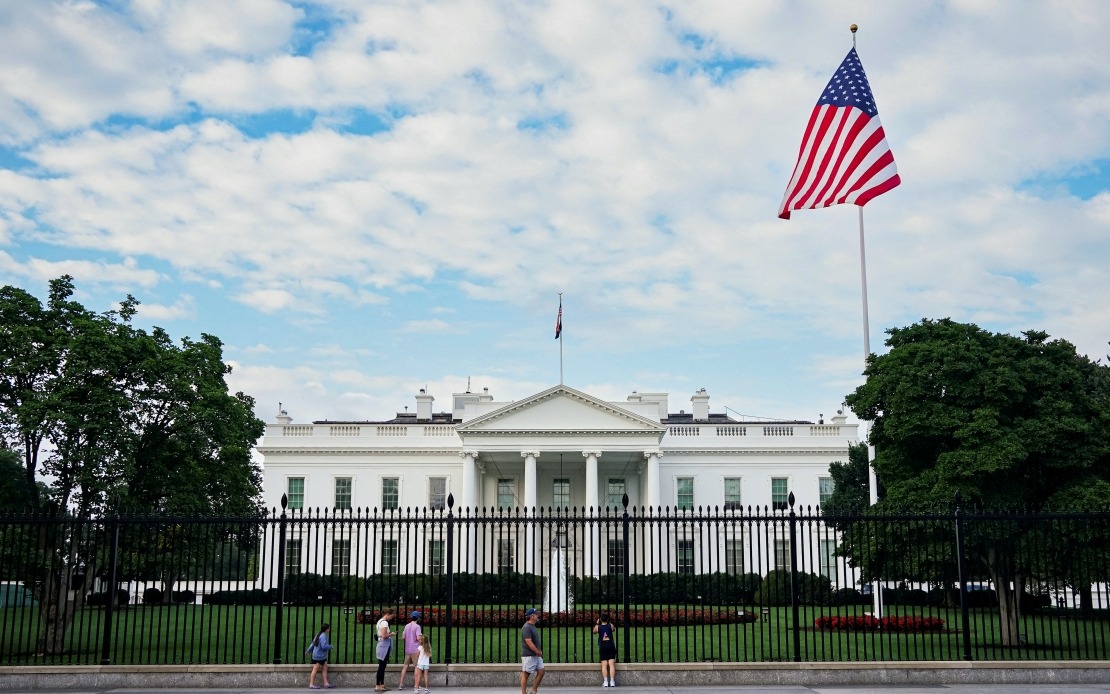
American law enforcement has successfully disrupted what officials describe as a coordinated attack plot targeting the White House Ultimate Fighting Championship event held on Sunday to commemorate President Donald Trump's 80th birthday alongside the nation's 250th anniversary celebrations. FBI Director Kash Patel disclosed the foiled threat through a social media announcement on Tuesday, revealing that agents and partner agencies had identified the danger on June 10 and moved swiftly to neutralise the threat before it materialised.
According to information provided to Fox News by security officials, the alleged scheme involved a sophisticated multi-stage assault plan. The initial phase was designed to employ explosive-laden drones targeting buildings in proximity to the event venue, intended to trigger widespread panic and force mass evacuation of spectators. Critically, investigators believe the perpetrators had positioned a sniper team at a predetermined location to target individuals as crowds fled the confusion created by the drone strikes.
The scope of the alleged conspiracy extended far beyond a simple attack. Investigators identified 23 individuals they believe were part of a broader network of plotters collaborating on the violence. As of Monday, five people had been taken into custody following the discovery of the threat. Officials indicated that a "second wave" of coordinated action was allegedly planned, which would have involved storming the White House gate itself, suggesting a more comprehensive assault across multiple security perimeters.
The unprecedented decision to host a professional cage-fighting event on the South Lawn of the White House itself had already generated significant controversy and legal challenges. Two Virginia residents filed suit arguing that the unconventional venue selection was unlawful and represented an improper use of the president's residence. However, on Friday, a federal judge presiding over the US District Court for the District of Columbia declined to grant an injunction blocking the event, allowing the controversial celebration to proceed as planned. Approximately 4,000 spectators ultimately attended the high-profile Sunday event despite the preceding security concerns.
The incident reflects an alarming trend of escalating political violence across American society. In April, another serious breach occurred when a man armed with both firearms and knives managed to penetrate security protocols at the White House Correspondents' Dinner and subsequently faced federal charges related to an alleged assassination attempt against the president. These incidents collectively demonstrate the intensifying security challenges facing American officials and the persistent threats emanating from individuals or groups motivated by political grievances.
For Malaysian and Southeast Asian observers, this case illustrates the sophisticated nature of modern security threats facing world leaders and the operational complexity required for contemporary law enforcement and intelligence agencies. The incident demonstrates how coordinated multi-phase attack planning utilising emerging technologies such as armed drones has become part of the threat landscape confronting protective services. The coordination between the FBI and partner agencies in identifying and disrupting the plot highlights the importance of intelligence sharing and rapid response capabilities in preventing loss of life.
The foiled attack also underscores the vulnerability of high-profile public events, even those held in heavily secured locations. The deliberate use of drone technology combined with traditional weaponry suggests perpetrators were adapting tactics based on evolving security awareness. The identification of a 23-person network raises questions about the operational scale and organisational structure of the alleged conspiracy, indicating this was not merely an isolated threat but rather a coordinated effort involving multiple individuals across what officials described as areas outside the immediate National Capital Region.
The legal challenges preceding the event, combined with the subsequent security threat, demonstrate how controversial decisions regarding presidential activities can generate multifaceted opposition ranging from litigation to alleged violence. The judge's decision to allow the event despite objections created a situation where security forces had to operate under heightened alert while managing crowd control and public access at an unconventional venue on the presidential residence grounds.
For regional policymakers and security professionals monitoring developments in US domestic security, this incident provides valuable insights into emerging threat patterns and the operational response capacities of American law enforcement. The rapid identification of the threat and detention of multiple suspects suggests functional intelligence and investigative capabilities, though questions may remain about how such a coordinated plot advanced to the operational planning stage. As Southeast Asian nations face their own evolving security challenges, the technical and organisational aspects of this case offer important considerations for threat assessment and prevention strategies in protecting public figures and events.

%22%2F%3E%3C%2Fpattern%3E%3C%2Fdefs%3E%3Crect%20width%3D%22100%25%22%20height%3D%22100%25%22%20fill%3D%22url(%23ph1354vg)%22%2F%3E%3Crect%20width%3D%22100%25%22%20height%3D%22100%25%22%20fill%3D%22url(%23ph1354vp)%22%2F%3E%3Ctext%20x%3D%2250%25%22%20y%3D%2250%25%22%20text-anchor%3D%22middle%22%20dominant-baseline%3D%22central%22%20fill%3D%22rgba(255%2C255%2C255%2C0.95)%22%20font-family%3D%22Georgia%2C%20'Times%20New%20Roman'%2C%20serif%22%20font-weight%3D%22700%22%20font-size%3D%22320%22%20letter-spacing%3D%22-0.02em%22%3EGRS%3C%2Ftext%3E%3C%2Fsvg%3E)