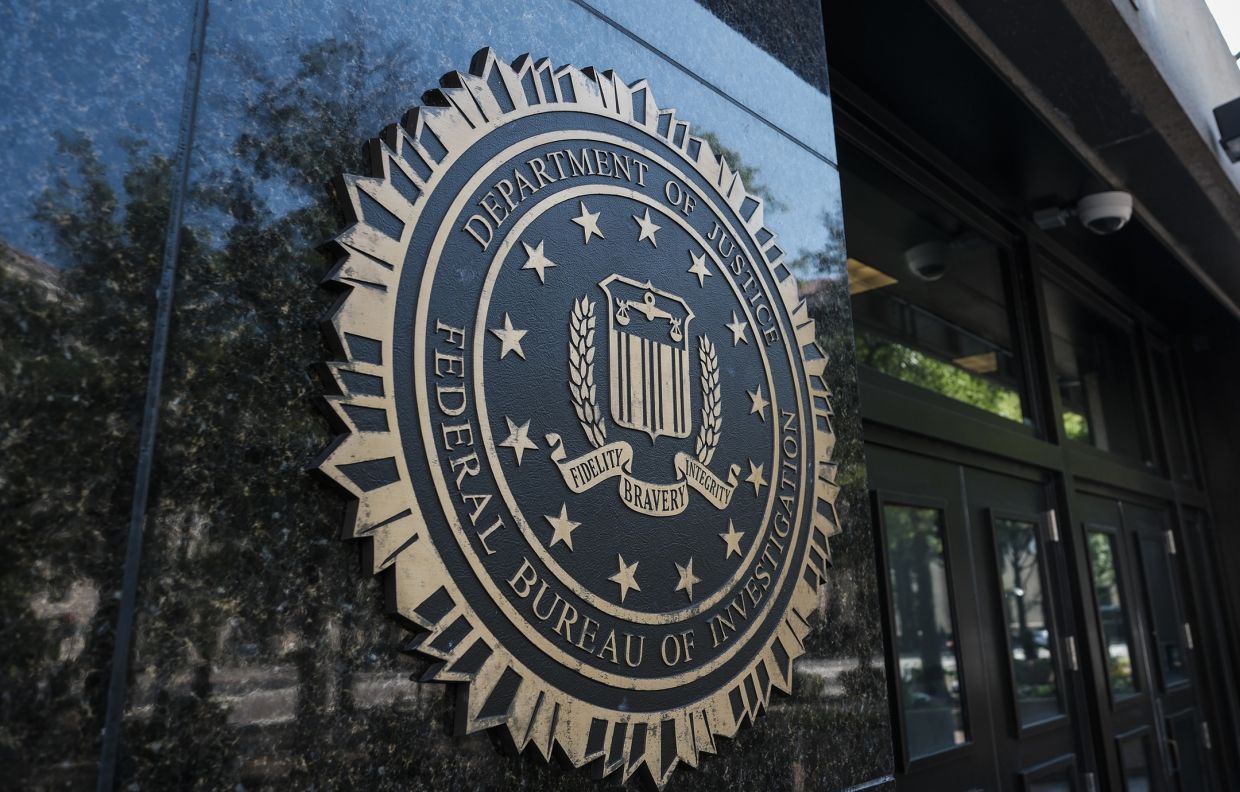
An FBI supervisory agent working in Washington has been arrested and faces federal charges following his admission to stealing cryptocurrency from assets seized during an active investigation. The case, which unfolded with unusual speed over a single weekend, highlights potential vulnerabilities in how law enforcement agencies handle digital assets and raises uncomfortable questions about oversight of agents with access to sensitive financial evidence.
Patrick Yaroch, the supervisory agent in question, voluntarily disclosed his actions to a Justice Department employee after what court documents describe as a crisis of conscience. According to an affidavit filed in the case, Yaroch explained that his actions were "eating him up inside" and that he needed to "get it off his chest." This confession became the catalyst for his rapid detention, even as he indicated his willingness to continue cooperating with investigators following consultation with legal counsel.
The theft involved accessing a cryptocurrency wallet belonging to a suspect under FBI investigation. Yaroch utilised a pass phrase to the account that the FBI had lawfully obtained during its probe into the individual. Over a period spanning late 2024 through early 2025, the agent made between 10 and 12 withdrawals from the account. When initially questioned, Yaroch claimed uncertainty about the exact sum involved, attributing the confusion to commingling the stolen funds with his personal financial holdings. However, investigators who examined his cryptocurrency wallet discovered approximately one million dollars—substantially more than the less-than-one-million figure Yaroch had suggested.
Yaroch's motivations, as documented in charging papers, appear rooted in professional frustration rather than simple financial desperation. The agent told colleagues he had been "spinning out of control" and expressed considerable exasperation that the FBI either could not or would not take action against what he characterised as adversarial cryptocurrency accounts. This grievance suggests potential tension within the bureau regarding priorities and resource allocation in combating digital asset-based crime. Whether his concerns reflected legitimate operational gaps or personal bias remains unclear from available documents.
For Malaysian readers and Southeast Asian observers, this case carries particular relevance given the region's rapid adoption of cryptocurrency and digital finance alongside emerging concerns about regulatory oversight. Malaysia, with its growing fintech sector and regulatory framework overseen by Bank Negara Malaysia, faces similar challenges in managing digital assets within law enforcement investigations. The Yaroch case demonstrates how even in sophisticated jurisdictions with established institutional safeguards, individual agents with access to seized digital assets can circumvent controls, raising questions about what comparable vulnerabilities might exist in developing regulatory environments.
The speed with which authorities moved against Yaroch after his confession suggests either exceptional diligence or perhaps concerning pressure to contain a potentially embarrassing situation within the federal law enforcement community. Rather than allowing him to proceed with his planned consultation with a lawyer and continued cooperation, FBI officials conducted a weekend search of his residence and executed his arrest. This tactical decision, while lawful, contrasts somewhat with the collaborative posture Yaroch appeared to adopt.
Interestingly, investigators examining Yaroch's digital footprint uncovered searches conducted in May through the artificial intelligence platform ChatGPT. In these interactions, Yaroch solicited investment advice for deploying one million dollars toward early retirement around age 40, expressing a particular interest in eventually establishing a vineyard or agricultural operation in locations such as Cilento, Italy or Portugal's Dao region. These searches paint a portrait of an individual contemplating lifestyle transformation and financial independence—a motivation that may have fuelled the theft more than pure frustration with institutional policy.
Notably, Yaroch has not yet been formally charged with the theft itself, only with possession of stolen property. Legal analysts suggest this distinction may reflect the investigative timeline rather than prosecutorial strategy. By moving swiftly to arrest him on the possession charge while evidence gathering continued, authorities may have sought to secure his detention pending more comprehensive charges. Court records as of the affidavit's filing contained no indication that Yaroch had retained legal representation.
The case raises fundamental questions about institutional accountability within federal law enforcement. How did a supervisory agent gain unsupervised access to seized cryptocurrency wallets? What auditing mechanisms exist to detect unusual withdrawal patterns from confiscated digital assets? And critically for regional observers, how do comparable safeguards function in emerging markets where cryptocurrency regulation remains less mature? Southeast Asian regulators and law enforcement agencies monitoring this case may identify gaps in their own asset management protocols.
The Yaroch situation also illuminates the broader challenge facing law enforcement globally as digital assets become increasingly central to criminal investigations and asset seizures. The cryptocurrency world operates at speeds and scales that traditional financial auditing practices may struggle to accommodate. A supervisory FBI agent's ability to access and misappropriate seized funds—even in a supposedly controlled environment—suggests that institutional frameworks have not evolved sufficiently to match the operational reality of digital asset investigations.
For stakeholders in Malaysia's financial and regulatory sector, this case serves as a cautionary reminder that technological sophistication alone cannot substitute for robust institutional controls, transparent oversight mechanisms, and genuine accountability. As the nation continues developing its cryptocurrency regulatory framework and law enforcement capacity, lessons from the Yaroch case warrant careful consideration regarding how to structure digital asset management within investigative units.

