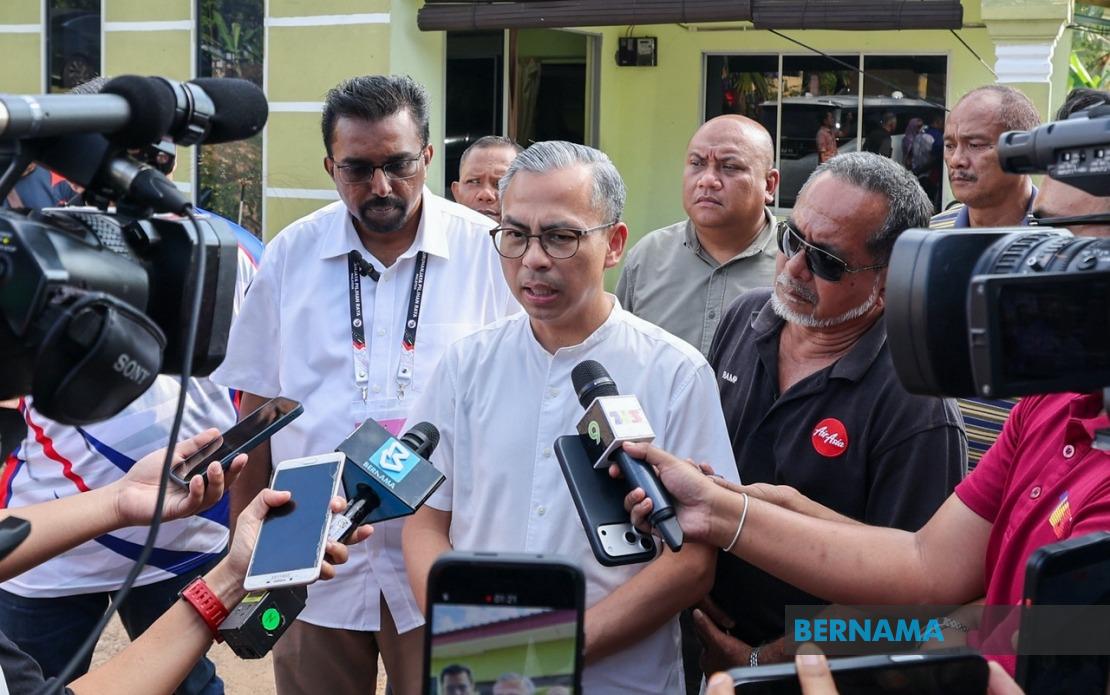
The Malaysian government has signalled its intention to open the findings of the Royal Commission of Inquiry into Tabung Haji to public scrutiny, with senior officials making the case that citizens deserve full transparency about the pilgrimage fund's troubled past. Communications Minister Datuk Seri Fahmi Fadzil made the appeal on July 23 during a public engagement in Jempol, emphasising that depositors, contributors, and ordinary Malaysians require comprehensive information about events that have been the focus of the inquiry into allegations surrounding the disposal of the agency's strategic assets.
Fahmi's position reflects a broader commitment within the government's current administration to operate under principles of openness and accountability. He articulated the view that releasing the RCI report would not only serve the immediate interests of Tabung Haji's stakeholders but would also contribute to public confidence in how the institution has been reformed and revitalised since the period under investigation. The minister expressed optimism that Tabung Haji's position has substantially improved under its existing management structure, and he suggested that public access to the report would allow Malaysians to verify this improvement themselves rather than rely on official assurances alone.
Prime Minister Datuk Seri Anwar Ibrahim had already indicated governmental readiness to make the report available, framing the disclosure as a matter of public interest. He revealed that the decision regarding publication would be discussed with Tan Sri Shamsul Azri Abu Bakar, the Chief Secretary to the Government, with expectations that the report would become accessible no later than the following Wednesday from the minister's remarks. This timeline suggested that bureaucratic processes were moving toward resolution, though the specific circumstances requiring such coordination between government offices underscored the political sensitivity surrounding the inquiry's conclusions.
The RCI investigation itself addressed serious questions about Tabung Haji's stewardship of pilgrim savings, particularly regarding how the fund disposed of significant property and asset holdings. These transactions have been contentious within Malaysia's financial sector and among the institution's contributors, many of whom are among the country's most vulnerable citizens saving for the Hajj pilgrimage. The opacity surrounding these dealings prior to the inquiry had fuelled public concern and speculation, making the eventual disclosure of findings a matter of considerable importance to affected parties.
Tabung Haji's governance challenges represent a broader concern in Malaysia's development sector and asset management institutions. The fund holds billions in deposits from Muslim Malaysians who contribute regularly toward their pilgrimage expenses, making it both a financial institution of scale and a repository of deep personal trust. Any mismanagement or questionable asset transactions thus carry implications beyond mere accounting irregularities; they affect the financial security of ordinary Malaysians pursuing a fundamental Islamic obligation. The public release of the RCI report would therefore serve not only transparency objectives but also the practical need for contributors to understand the security of their accumulated savings.
The emphasis by both Fahmi and Anwar on fairness and transparency signals that the government believes maintaining public confidence in Tabung Haji's current trajectory depends on full disclosure of historical problems. This approach contrasts with institutional responses that might attempt to contain information or minimise public awareness of governance failures. By championing open access to the inquiry's findings, the administration positions itself as committed to remedying the reputational damage that Tabung Haji sustained during the period under investigation.
For Malaysian depositors and contributors, the RCI report's release would provide definitive answers about what occurred with their money and the assets entrusted to the institution. Many Malaysians have legitimate questions about investment decisions, asset sales, and the circumstances that prompted the government to establish the commission in the first place. Public access to the report would enable informed assessment of whether remedial measures undertaken since the problematic period have genuinely addressed underlying governance deficiencies.
The government's willingness to release the report also reflects confidence in the institution's current operational standing. By opening the findings to public examination rather than keeping them restricted, officials essentially assert that whatever shortcomings the RCI identifies in Tabung Haji's past, the present management has credibly implemented corrective measures. This approach carries risk, as public scrutiny might reveal uncomfortable details, but it also demonstrates faith in the institution's reformation and the competence of existing leadership.
From a regional perspective, Malaysia's approach to the Tabung Haji RCI disclosure illustrates evolving standards of governmental transparency within Southeast Asia. Many nations in the region have historically restricted public access to sensitive government inquiries, particularly those touching on financial institutions. The Malaysian government's openness about releasing this report aligns with broader commitments to institutional accountability and responsive governance, potentially setting an example for peer nations balancing security concerns with transparency imperatives.
The timeline for release, while subject to coordination with the Chief Secretary to the Government, appeared sufficiently concrete to suggest genuine movement rather than indefinite delay. Fahmi's specific hope that the report would be available soon enough for Malaysians to "fully examine and read it" indicated ministerial frustration with prolonged withholding of information. The juxtaposition of these statements from both the Communications Minister and Prime Minister suggested sustained political will for disclosure, even if bureaucratic processes required several additional days to finalise arrangements.
Ultimately, the public release of the Tabung Haji RCI report represents a test of Malaysia's commitment to institutional transparency during an era of heightened public demand for accountability. Depositors who entrusted their pilgrimage savings to the fund deserve clarity about what happened to their money and whether systemic safeguards have genuinely been strengthened. The government's decision to open these findings to scrutiny rather than restrict access sends an important signal about priorities and confidence in the reforms undertaken under current management.

