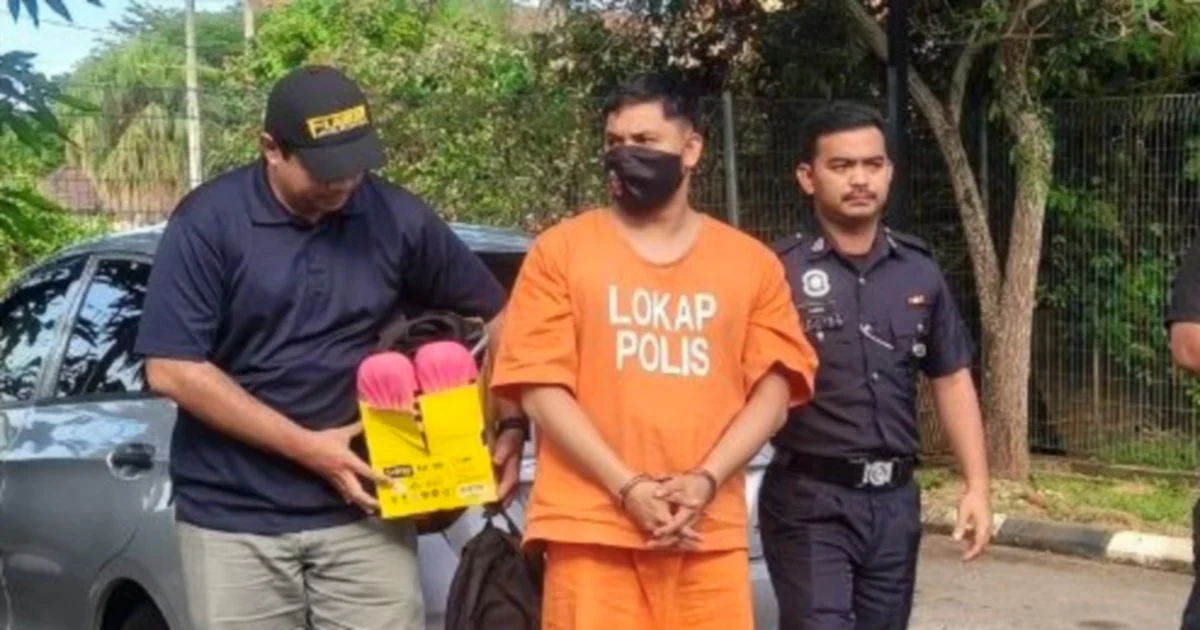
A former information technology engineer in Besut has been convicted of exploiting Malaysia's Budi95 subsidy scheme by fraudulently using other people's identification documents. The magistrate's court imposed a financial penalty of RM18,000 on the defendant, with the alternative of spending 18 months behind bars should payment remain outstanding. The conviction came after the accused entered guilty pleas to all three counts of misusing identity cards, a straightforward admission that underscores the seriousness with which authorities are treating subsidy fraud.
The Budi95 initiative represents a significant government investment designed to support Malaysian citizens through targeted financial assistance. The programme has become an essential lifeline for many households navigating economic pressures, making it a frequent target for those seeking to extract undeserved benefits. When individuals exploit such schemes through fraudulent means—whether by borrowing others' identity documents or assuming false identities—they not only deprive genuine beneficiaries of resources but also undermine public confidence in state assistance programmes.
Identity card misuse remains one of the more accessible yet serious forms of subsidy fraud in Malaysia. Rather than requiring sophisticated hacking or complex financial manipulation, perpetrators simply need access to legitimate identity documents belonging to other citizens. This method allows fraudsters to register multiple claims under different names, multiplying their illegal gains while creating administrative complications for authorities tasked with detecting irregularities. The Besut case demonstrates that even individuals with professional backgrounds and technical expertise can be tempted to cross ethical lines for financial gain.
The conviction is particularly significant given the accused's background in information technology. Someone with coding and systems knowledge might be expected to understand both the technical safeguards built into subsidy databases and the sophisticated forensic techniques that law enforcement agencies now employ to detect fraud. Yet the defendant apparently disregarded these realities, suggesting that desperation, greed, or a miscalculation of detection risk overcame any professional judgment. This pattern—where qualified individuals abandon legitimate earning potential for quick illegal returns—has become increasingly common across Southeast Asia.
Malaysia's enforcement agencies have been progressively tightening detection mechanisms around subsidy programmes. The Inland Revenue Board and the Ministry of Domestic Trade and Cost of Living have implemented cross-referencing systems that flag suspicious multiple claims and unusual patterns of application. Facial recognition technology and biometric verification at point-of-access locations have raised the barriers against substitution fraud. The Besut conviction reflects these improved capabilities; authorities were able to identify, investigate, and prosecute the offender despite the seemingly simple nature of using borrowed identity cards.
The sentencing framework—a substantial cash fine with imprisonment as enforcement—is designed to serve dual purposes within Malaysia's criminal justice system. The financial penalty hits offenders in their pockets, creating a material consequence that extends beyond loss of liberty. For those unable to pay within the prescribed timeframe, the threat of incarceration provides an incentive to settle their obligations or face custodial punishment. In this case, RM18,000 represents a significant sum that should deter not only the convicted individual but also others contemplating similar schemes.
The implications for Southeast Asia are worth considering. Subsidy fraud has emerged as a regional concern as governments across the Association of Southeast Asian Nations expand their social support programmes. Indonesia, the Philippines, Thailand, and Vietnam have all reported increasing subsidy-related crimes. Malaysia's visible prosecution of offenders sends a message that such conduct carries real consequences, potentially influencing behaviour across the broader region where jurisdictional coordination and intelligence-sharing continue to develop.
Identity-based fraud specifically poses challenges that transcend individual cases. When citizens' personal data becomes weaponised for fraudulent subsidy claims, it creates a secondary victimisation effect for the identity card holders themselves. Their names become associated with fraudulent transactions, their credit profiles may suffer, and they face the administrative burden of resolving discrepancies with government agencies. In Malaysia's increasingly digitalised governance systems, such collateral damage to innocent citizens represents an underappreciated cost of identity-dependent fraud.
The Budi95 programme's integrity ultimately depends on detection and prosecution. When subsidy funds are diverted through fraudulent claims, fewer genuine applicants receive the assistance they require. Economic hardship that the programme was designed to mitigate instead intensifies for those who miss out on support because fraudsters have exhausted available resources. This distributional consequence makes subsidy fraud not merely a white-collar crime against the state but effectively a crime against vulnerable Malaysians struggling with financial precarity.
The Besut magistrate's court decision also highlights the prosecutorial preference for guilty pleas in such cases. Rather than expending resources on lengthy trials, authorities secured swift conviction and sentencing, allowing judicial resources to be redirected toward other matters. This efficiency has become standard practice in Malaysia's subsidy fraud prosecutions, where evidence is typically straightforward—documentary trails linking identity cards to subsidy applications provide clear proof of guilt once proper investigation has occurred.
Moving forward, Malaysian authorities appear likely to maintain enforcement momentum against subsidy fraudsters. The detection infrastructure continues improving, public awareness campaigns reinforce the risks of participation, and sentencing precedents like this Besut case establish clear expectations of serious punishment. For prospective offenders—particularly those with legitimate income opportunities—the calculation should be straightforward: the financial and reputational costs of conviction far outweigh any temporary gains from fraudulent subsidy claims.

