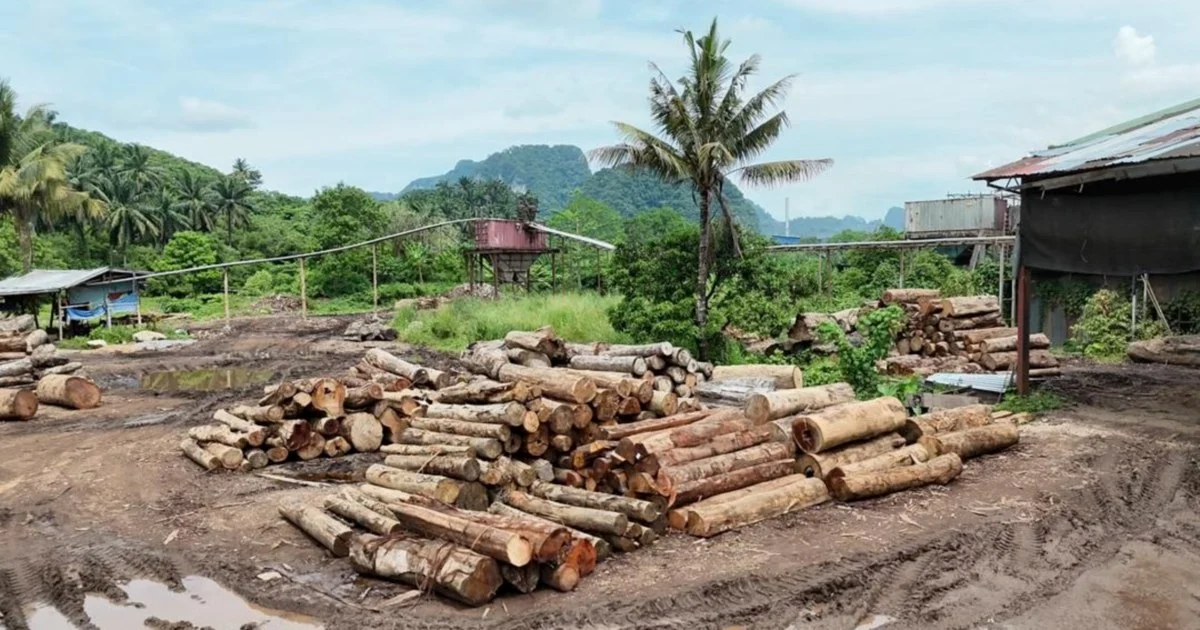
Coordinated enforcement operations across Kelantan and Terengganu have resulted in the detention of 11 suspects and the seizure of timber and machinery worth over RM2.43 million, marking an escalation in authorities' efforts to combat illegal logging activities in Malaysia's northeastern states. Among those apprehended were four Indonesian nationals, highlighting the cross-border nature of the illicit timber trade that has plagued the region for years.
The raids, conducted across multiple locations in both states, represent part of a broader strategy by enforcement agencies to dismantle illegal timber extraction networks operating along the peninsula's eastern flank. These operations typically involve coordinated teams working to identify and intercept contraband materials before they can be transported to processing facilities or exported to neighboring countries, where demand for Malaysian hardwoods remains persistently high despite tightening regulations.
Illegal logging operations in Kelantan and Terengganu have long been a concern for both environmental protection agencies and law enforcement authorities. The two states, which sit atop substantial forest reserves, have historically served as sources for valuable timber species that fetch considerable prices on regional black markets. The involvement of foreign nationals in these operations underscores how criminal syndicates exploit porous borders and coordination challenges between nations to facilitate resource smuggling on an organized scale.
The value of seized materials—exceeding RM2.43 million—demonstrates the economic stakes involved in these criminal enterprises. Beyond the raw timber itself, the capture of specialized machinery used in logging and timber processing points to the sophisticated nature of operations that authorities are confronting. These are not opportunistic, small-scale ventures but rather organized operations with capital investments in equipment, suggesting established supply chains and distribution networks.
Malaysia's battle against illegal timber extraction has intensified in recent years as awareness of environmental degradation and revenue loss has grown among policymakers. The forests of Kelantan and Terengganu constitute vital ecosystems that support biodiversity, water management, and climate regulation functions extending far beyond state boundaries. When these forests are depleted through illegal extraction, the cumulative ecological cost affects not just the immediate region but contributes to broader environmental challenges affecting Southeast Asia.
The participation of Indonesian nationals in these operations reflects regional dynamics within the timber trade. Cross-border smuggling networks often exploit differences in enforcement capacity, regulatory frameworks, and market demand between adjacent countries. Malaysia's timber, being among the world's most sought-after tropical hardwoods, commands premium prices that motivate organized criminal groups to invest heavily in circumventing detection and enforcement measures.
From a law enforcement perspective, these raids demonstrate the importance of sustained intelligence-gathering and coordinated operations between agencies operating at both state and federal levels. The simultaneous execution of operations across multiple locations suggests significant pre-operation surveillance and planning, reflecting investment by authorities in disrupting supply chains rather than simply addressing symptoms through reactive enforcement at ports or checkpoints.
The detention of 11 suspects opens investigative pathways that may uncover larger networks and reveal the structure of criminal organizations orchestrating these activities. Interrogations of detainees often provide authorities with intelligence regarding suppliers, transporters, processors, and end-buyers within illicit timber trading systems. Understanding these networks is crucial for developing long-term enforcement strategies that can sustainably reduce illegal logging pressures.
For Malaysian stakeholders—whether policymakers, environmental organizations, or communities dependent on forest resources—these enforcement actions signal determination to address illegal logging. However, single operations, however successful, can only achieve lasting impact when supported by consistent enforcement effort, adequate resource allocation, meaningful penalties that deter participation, and international cooperation to address demand-side factors in destination markets.
The economic dimensions of illegal timber trade extend beyond immediate loss of valuable resources. Revenue that should flow to the Malaysian state through legitimate forestry operations and timber licensing instead enriches criminal organizations and corrupt intermediaries. This diversion of economic benefits represents not only environmental loss but also fiscal damage to state governments that depend on forest revenue for development and conservation initiatives.
Moving forward, sustainability of enforcement gains depends on addressing both supply-side and demand-side pressures. While operations targeting extraction and smuggling networks are essential, equally important are measures addressing market demand, strengthening regulatory compliance among legitimate timber traders, and improving international cooperation to prevent laundering of illegally harvested timber into legitimate supply chains.
These raids in Kelantan and Terengganu exemplify the ongoing struggle between enforcement agencies and organized criminal groups over control of Malaysia's forest resources. The scale of this single operation—with over RM2 million in seized materials—suggests the magnitude of economic activity tied to illegal timber extraction remains substantial, indicating authorities face a considerable challenge in achieving compliance across the region's forestry sector.

