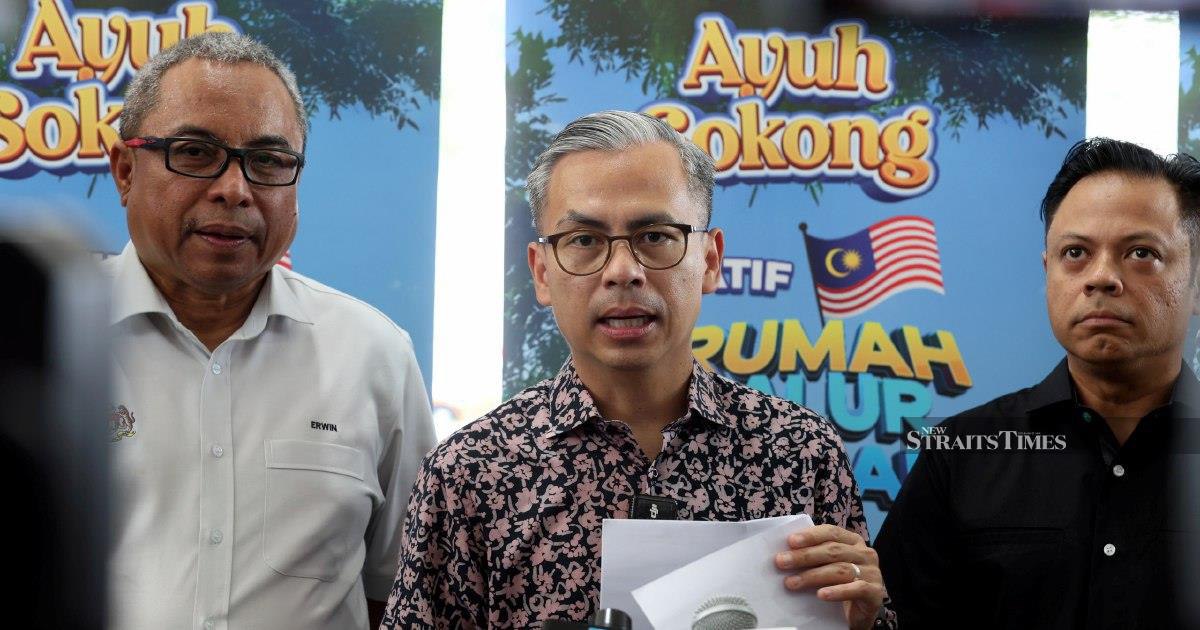
Prime Minister Datuk Seri Anwar Ibrahim has instructed the Election Commission to develop a comprehensive updated report examining Sarawak's proposition to establish 17 additional state assembly seats, according to an announcement by government spokesman Datuk Seri Fahmi Fadzil. The directive represents an important step forward in addressing representation concerns that have been raised by Malaysia's largest state, which faces unique geographical and demographic considerations that differ substantially from peninsular counterparts.
Sarawak, covering an expansive territory spanning over 124,000 square kilometres and home to approximately 2.8 million residents, has long grappled with balancing legislative representation against the challenges posed by its dispersed population and remote constituencies. The proposal for 17 additional seats signals growing recognition within government circles of the need to reassess the adequacy of current representation levels, particularly as the state's demographic and economic footprint continues to evolve. The move also underscores the federal government's commitment to ensuring equitable parliamentary structures across all Malaysian states.
The Election Commission's mandate to prepare an updated analysis carries considerable weight in Malaysia's political framework. As the constitutional body responsible for delineating electoral boundaries and overseeing constituency matters, the EC's findings will substantially influence whether legislative changes proceed. An updated report would require the commission to examine population distribution patterns, accessibility considerations for voters in remote areas, and alignment with constitutional provisions governing state assembly composition. Such analysis typically involves field studies and consultations with stakeholders across affected regions.
Sarawak's existing state assembly comprises 82 seats, distributed across constituencies that range dramatically in both size and accessibility. Adding 17 seats would increase the total to 99, though the precise reconfiguration and distribution across regions would depend on the EC's technical findings and recommendations. This expansion would represent a meaningful proportional increase, particularly significant for a state where geographical factors complicate electoral administration and voter engagement.
The timing of this directive reflects broader discussions within Malaysia's political establishment about constitutional reform and federal-state relations. Sarawak, alongside Sabah, occupies a distinctive constitutional position within Malaysia, having entered the federation in 1963 with certain reserved powers and representations. Any modifications to assembly composition inevitably touch upon these historical arrangements and the state's negotiated position within the federation. Federal leadership's engagement with this matter demonstrates sensitivity to these considerations and recognition of Sarawak's particular circumstances.
From a practical standpoint, implementing additional seats would necessitate redrawing constituency boundaries throughout affected regions. This technical exercise, while routine in electoral administration, holds implications for political representation and requires careful calibration to reflect genuine demographic and geographical realities rather than serve partisan interests. The EC's updated report must therefore navigate these complexities with rigorous methodology and transparent reasoning to command legitimacy across all stakeholder communities.
The proposal also intersects with broader questions about whether Malaysia's electoral architecture adequately reflects current population distribution and developmental patterns. Sarawak's case, while specific to that state's context, has resonance across Malaysia as constituencies experience demographic shifts that existing boundaries may no longer accurately represent. An updated EC report could therefore establish precedent for similar examinations in other states facing comparable pressures regarding representation adequacy.
For Malaysian voters and political observers, the election commission's work will be worth monitoring closely as developments unfold. An updated report should clarify technical rationales for any recommended changes, timeline considerations for implementation, and anticipated implications for electoral outcomes and governance structures. Transparency throughout this process serves important democratic functions by ensuring informed public discourse about representation matters.
Regional implications deserve consideration as well, particularly given Sarawak's economic significance within Malaysia. The state generates substantial hydroelectric power, maintains substantial forestry resources, and plays an important role in regional trade networks. Enhanced legislative representation could reflect the state's growing importance to national economic strategy and facilitate more effective advocacy for Sarawak-specific development priorities within federal decision-making structures.
The Prime Minister's direction reflects political pragmatism and governance consideration. By tasking the Election Commission with rigorous analysis rather than proceeding through executive fiat, the government signals commitment to evidence-based policymaking and consultation with constitutional authorities. This approach, while potentially extending timelines, generates greater legitimacy and reduces risks of legal challenge or accusations of politically motivated manipulation.
Implementation timelines remain unclear at this stage, though the EC will likely require several months to complete comprehensive research and analysis. The commission typically consults with state governments, political parties, and civil society organisations during boundary review processes, adding additional time requirements. Interested parties should expect opportunities for formal consultation as the EC's work progresses, providing avenues for substantive input into deliberations.
Assuming the EC recommends proceeding with the 17-seat expansion, subsequent steps would involve legislative action and potentially constitutional amendments if existing frameworks require modification. Such processes typically unfold over extended periods, suggesting that implementation, should it occur, may extend into 2025 or beyond. Political commentators will continue analysing implications for Sarawak's political dynamics, federal-state relationships, and broader questions about electoral fairness and constitutional evolution in Malaysia.

