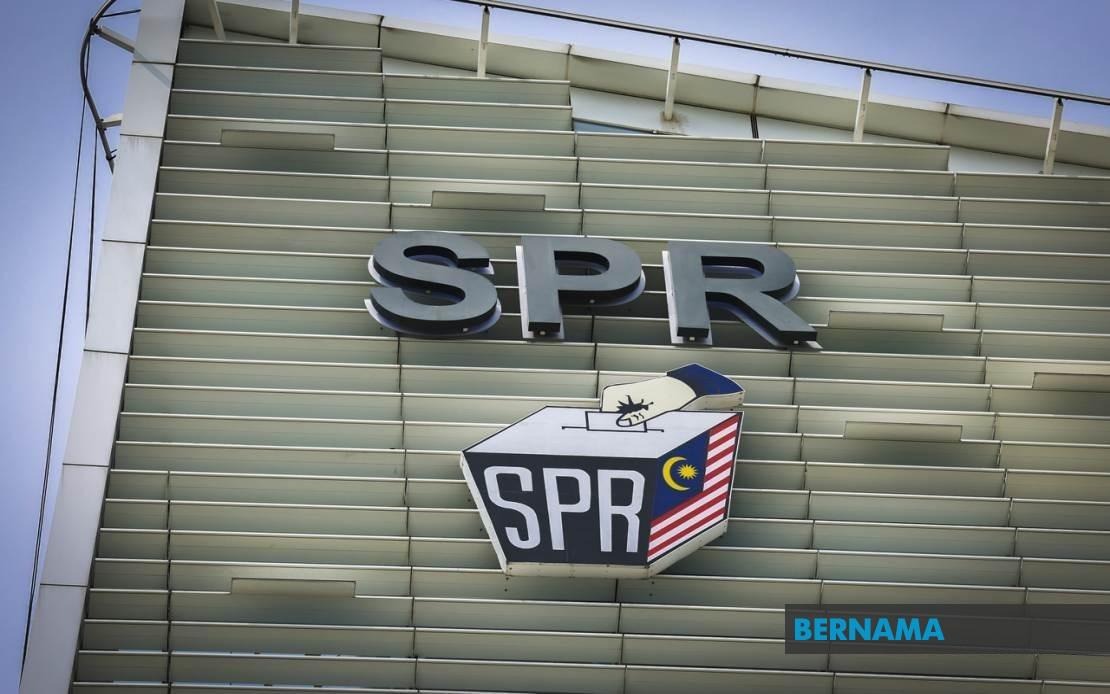
The Election Commission reported receiving 305 complaints regarding various campaign violations during the 16th Johor State Election campaign period by July 2, signalling heightened scrutiny of political activities across the southern state. The infractions span multiple categories of regulatory breaches, reflecting both deliberate violations and administrative oversights by participating candidates and their teams throughout a campaign that commenced on nomination day, June 27, and is scheduled to conclude at 11.59 pm on July 10.
The most prevalent violations involved improper placement of campaign materials in restricted zones designated by local authorities, accounting for 140 of the total complaints. This category represents a persistent challenge in Malaysian electoral campaigns, as candidates and parties struggle to balance their need for public visibility against municipal regulations designed to maintain urban aesthetics and order. Local authorities across Johor have increasingly enforced such restrictions to prevent the proliferation of posters and banners that can transform public spaces into visual clutter, and the high number of complaints suggests that enforcement messaging may not have reached all campaign teams or that some deliberately chose to ignore guidelines.
A second major category involved 90 complaints concerning campaign materials that obstructed the view of road users and impeded traffic flow. This safety-focused violation reflects growing concern among election authorities about the unintended consequences of campaign visibility strategies. Poorly positioned signage and banners can distract drivers, obscure traffic signals and road markers, and potentially contribute to accidents, making this a matter that transcends electoral politics and touches on public safety. The significant complaint volume in this category underscores the tension between political expression and community welfare during election periods.
Placement of campaign materials within 50 metres of polling centres generated 27 complaints, a violation explicitly prohibited under election laws designed to preserve the sanctity and neutrality of voting venues. Electoral regulations maintain strict boundaries around polling centres to prevent last-minute voter persuasion and to ensure that the voting environment remains free from intimidation or undue influence. The relatively lower number of such complaints compared to other categories may suggest better compliance in this specific area or more effective enforcement by Election Commission officers stationed at polling centres.
The remaining 48 complaints fell into miscellaneous categories, suggesting that campaign violations extend beyond the primary areas of concern and that enforcement teams encountered diverse infractions during their operations. These cases may have involved issues such as defamatory campaign materials, use of government resources for political purposes, or other breaches of the Election Offences Act 1954.
To address these violations systematically, the Election Commission established 56 dedicated Election Campaign Enforcement Teams distributed throughout Johor to monitor compliance with the Election Offences Act 1954. These teams have undertaken prompt follow-up action on all reported complaints, demonstrating the commission's commitment to enforcing regulations uniformly across the state. The deployment of such substantial enforcement infrastructure reflects the scale and complexity of managing campaign activities across 56 state seats contested by 172 candidates.
The Election Commission has emphasised its collaborative approach, working in tandem with the Royal Malaysia Police, the Malaysian Anti-Corruption Commission, and the Malaysian Communications and Multimedia Commission. This multi-agency coordination extends enforcement capabilities beyond electoral rules to encompass corruption prevention, public order, and digital communication standards. Such coordination proves particularly valuable in combating violations that may span multiple regulatory domains, such as corruption-linked campaign activities or misleading online content.
The commission has directly appealed to all candidates and participating political parties to uphold compliance with applicable laws, regulations, and the code of ethics established for the election. This public messaging serves both as a reminder and a warning that violations carry consequences and that the electoral environment is under active monitoring. The appeal reflects the commission's commitment to ensuring that competitive political dynamics do not override regulatory boundaries that protect electoral integrity and public order.
With polling scheduled for July 11 and early voting on July 7, the remaining campaign period represents a critical window during which enforcement intensity typically increases. The commission has reaffirmed its commitment to conducting an efficient, fair, transparent, and credible election, positioning electoral integrity as a foundational requirement rather than an optional aspiration. For Malaysian voters and observers, the reported complaint volume and enforcement response suggest that electoral oversight mechanisms are functioning and that regulatory violations face documented scrutiny.
The Johor State Election itself carries implications extending beyond the state's borders. As one of Malaysia's most politically competitive states and a traditional barometer of national political sentiment, the 16th Johor election provides early indicators of voter preferences and political momentum heading into potential federal-level contests. Maintaining campaign conduct standards across this election demonstrates the institutional capacity of Malaysian electoral authorities to manage large-scale political competitions according to established rules.

