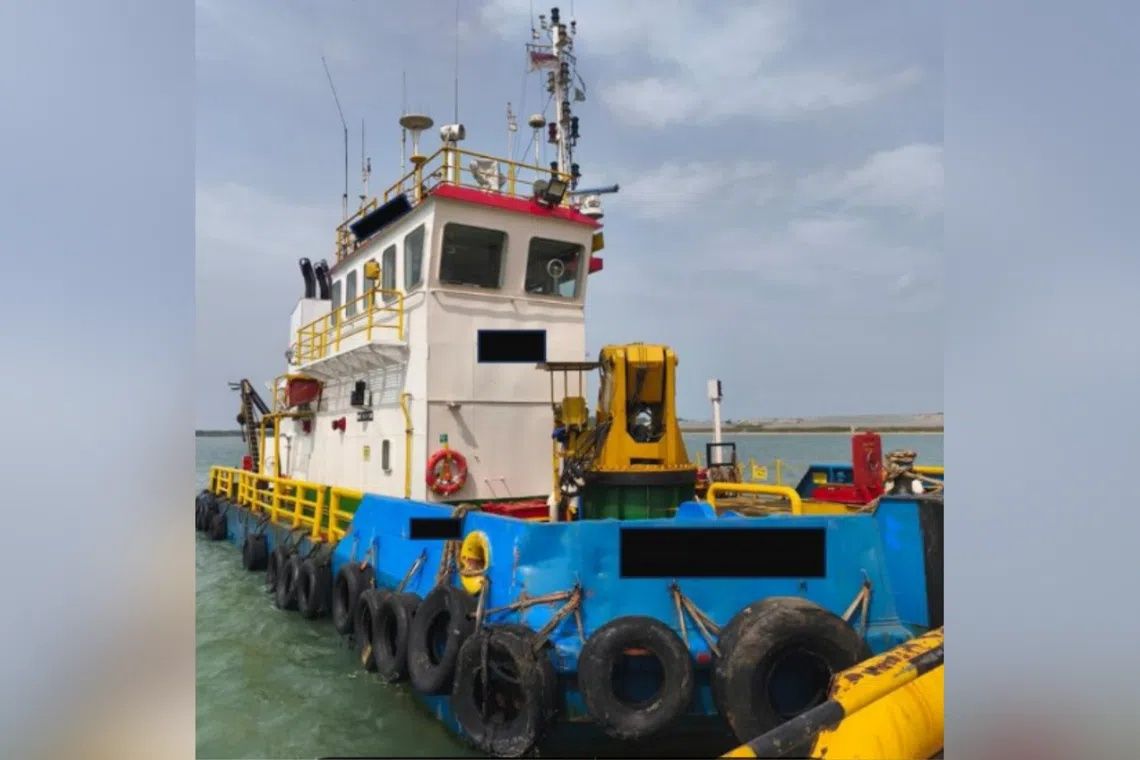
Eight men detained in connection with the theft and unauthorized sale of marine gas oil are scheduled to appear before Singapore courts on Friday, August 14, following their arrest during a predawn security operation in territorial waters west of the island nation. The incident underscores persistent vulnerabilities in maritime security despite heightened enforcement efforts across one of the world's busiest shipping corridors.
Police Coast Guard personnel discovered the suspected crime when they inspected a Singapore-registered tugboat operating in waters off Tuas at approximately 1.05 am on August 13. The timing of the operation—conducted under cover of darkness—suggests authorities were acting on intelligence regarding suspicious maritime activity in the region, a common tactic when investigating organized cargo theft and fuel smuggling networks that periodically target commercial vessels transiting Singapore's waters.
According to preliminary investigations, the eight arrested men, ranging in age from 25 to 54 years old, all served as crew members aboard the tugboat. Their positions would have granted them legitimate access to the vessel's fuel supplies, a circumstance that facilitated what authorities characterize as a calculated scheme to redirect company assets for personal enrichment. The men are alleged to have deliberately misappropriated marine gas oil valued at approximately S$10,570 without authorization from their employer or vessel operators.
The stolen fuel was subsequently sold through unauthorized channels, generating illicit profits that the crew members apparently intended to pocket. Such incidents reveal how maritime theft operates at ground level, often involving lower-ranked personnel who exploit their daily proximity to valuable cargo and fuel supplies. Marine gas oil, a distillate fuel used across commercial shipping and industrial applications, remains a persistent target for theft rings operating across Southeast Asian waters.
Criminal charges against the detained men will proceed under Singapore's Penal Code provisions addressing theft by persons in positions of trust. Specifically, they face prosecution under the offense of theft by servant of property in possession of master—a statute designed to address breaches of fiduciary duty by employees who steal from their employers. Conviction carries potential penalties including financial fines coupled with custodial sentences extending up to seven years, reflecting the serious legal consequences attached to such corporate theft within maritime contexts.
The arrest reflects Singapore's sustained commitment to combating illicit maritime activities within its territorial waters, a responsibility that assumes heightened significance given the island's role as a global shipping hub where thousands of vessels operate annually. The Port of Singapore, already challenged by piracy, trafficking, and smuggling concerns, requires robust enforcement mechanisms to maintain security and preserve confidence among shipping operators and international trading partners relying on predictable, secure passage through the region.
Marine fuel theft has emerged as a persistent problem across Southeast Asia, with criminal networks systematizing the diversion of fuel from commercial vessels, storage facilities, and supply chains. The relatively high value of marine gas oil per unit volume, combined with significant demand from fishing vessels, small-scale industrial operators, and informal maritime transport services, creates economic incentives for organized theft. Recent years have witnessed increasing sophistication among perpetrators, who employ transhipment vessels, forged documentation, and established corruption networks to obscure fuel origins and facilitate sales across international boundaries.
Singapore's response to such incidents typically emphasizes deterrence through visible enforcement operations, coordinated intelligence-sharing with port authorities, and prosecution of offenders through formal legal channels. Police statements following arrests customarily stress the government's resolve to prevent fuel smuggling and maritime cargo theft, intended signals directed toward potential offenders contemplating similar violations. The timing and scale of enforcement operations often correlate with seasonal shipping patterns, intelligence concerning organized criminal activity, and diplomatic priorities regarding maritime security cooperation with neighboring jurisdictions.
For Malaysian stakeholders, the incident carries particular relevance given Malaysia's extensive maritime boundaries, substantial shipping traffic connecting Malaysian ports to Singapore and beyond, and ongoing challenges managing fuel theft and smuggling across the Strait of Malacca and surrounding waters. Malaysian authorities maintain their own enforcement mechanisms targeting maritime crime, yet the cross-border nature of fuel smuggling and cargo theft necessitates coordinated regional responses. The arrest of the tugboat crew demonstrates how perpetrators operating within one jurisdiction's territory may face prosecution by that state's legal system, even when crimes involve internationally-registered vessels or multinational shipping companies.
The specific targeting of marine gas oil reflects market realities within Southeast Asia, where demand for industrial fuels substantially exceeds supply through legitimate commercial channels in certain contexts. Fishing communities, small-scale manufacturing operations, and informal transport services may source fuel through alternative networks when official supplies prove prohibitively expensive or logistically inaccessible. This dynamic perpetuates incentives for theft and smuggling, as criminal networks exploit price differentials and supply gaps to generate profits while maintaining steady customer bases among price-sensitive operators.
Regulatory frameworks governing maritime labor, crew conduct, and vessel security continue evolving across Southeast Asia in response to persistent enforcement challenges. Singapore's incident exemplifies how traditional employment relationships within shipping remain vulnerable to exploitation by crew members willing to risk criminal prosecution for relatively modest financial gains. Enhanced crew vetting procedures, improved cargo and fuel tracking technologies, and strengthened corporate accountability mechanisms represent preventative approaches increasingly adopted by major shipping operators and port authorities.
The coming court proceedings will establish whether prosecution succeeds in securing convictions under applicable legal statutes, thereby contributing precedent regarding maritime labor crimes in Singapore's jurisprudence. Conviction outcomes and sentencing decisions may influence how other Southeast Asian jurisdictions approach similar cases, particularly regarding proportionality between penalties and offense severity. Regional maritime authorities and shipping industry representatives closely monitor high-profile prosecutions, as legal outcomes shape operational risk calculations and compliance investments made by shipping companies operating across Southeast Asian waters.

