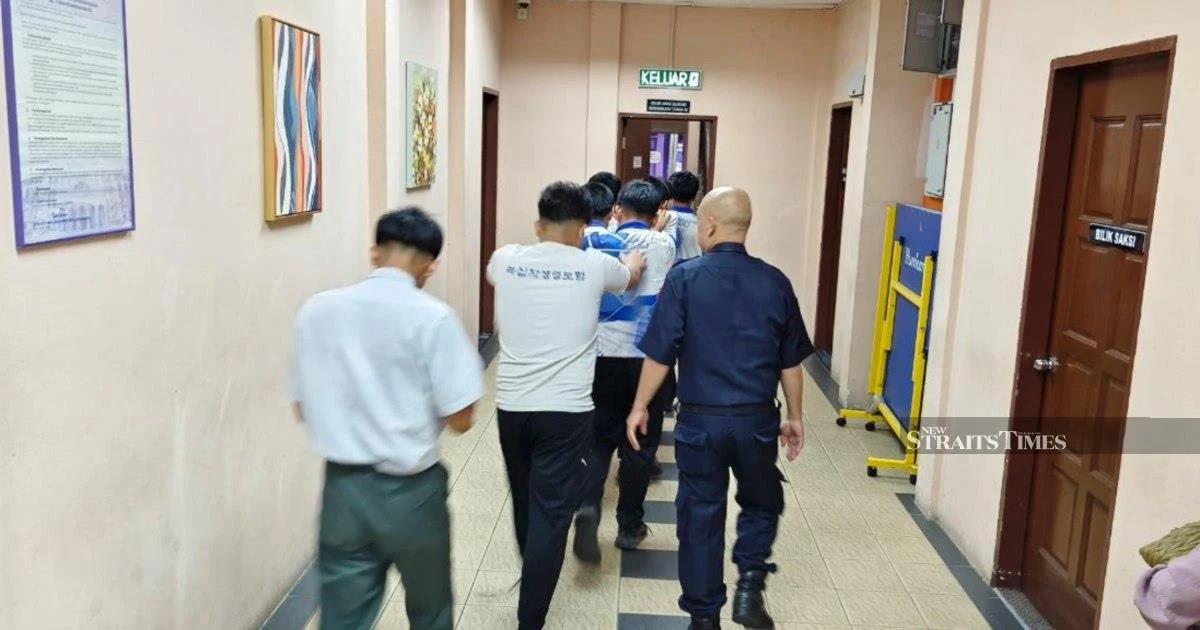
Law enforcement in Tawau have taken eight secondary school students into custody as part of an ongoing investigation into a serious assault incident that erupted from tensions surrounding the illicit distribution of artificial intelligence-generated sexual material. The juveniles have been remanded for a two-day period whilst authorities gather further evidence and conduct witness interviews related to the confrontation.
The incident marks a concerning intersection of rising youth violence and the emergence of technology-facilitated abuse through deepfake imagery. The involvement of school-age perpetrators underscores how synthetic media tools, increasingly accessible to teenagers through online platforms, are being weaponized to harass and humiliate peers. This case resonates particularly across Southeast Asia, where rapid digital adoption among youth populations has outpaced regulatory safeguards and educational initiatives addressing the harms of synthetic sexual content.
Details surrounding the circumstances that precipitated the brawl remain under active investigation, with authorities working to establish the precise sequence of events and identify any additional individuals involved in either the creation or distribution of the material in question. The involvement of multiple arrests suggests a pattern of behaviour rather than an isolated incident, hinting at potential networks of students engaged in generating or sharing such content within school communities.
Malaysia has grappled with similar issues in recent years, particularly as schools nationwide report increasing cases of intimate content—both authentic and synthetic—being shared without consent through WhatsApp groups, Telegram channels, and other encrypted messaging platforms. The challenge for educators and law enforcement lies in the speed at which such material propagates and the difficulty in containing or removing it once distributed. Unlike traditional approaches to addressing bullying and harassment, the permanence and replicability of digital content creates compounded trauma for victims.
The use of artificial intelligence to generate fake sexual imagery of real individuals represents a form of image-based sexual abuse that, whilst relatively new, carries profound psychological consequences for targets. Victims often experience lasting anxiety, reputational damage, and social isolation within their immediate communities. The fact that perpetrators in this case were juveniles raises questions about their understanding of consent, digital ethics, and the gravity of creating non-consensual synthetic sexual material.
Current Malaysian legislation addresses cyberbullying and the distribution of intimate content through provisions in the Communications and Multimedia Act and the Penal Code, yet the specific phenomenon of AI-generated sexual deepfakes occupies a legal grey area. Prosecutors must often rely on existing harassment and defamation statutes rather than laws specifically designed to address synthetic media abuse. This legislative lag has prompted calls from child protection advocates and digital rights groups for targeted amendments that clearly criminalize the creation and distribution of non-consensual deepfake pornography.
Schools across Malaysia have begun implementing awareness campaigns about digital citizenship and the consequences of sharing explicit content, whether authentic or fabricated. However, the sophistication of modern generative AI tools means that even adolescents without advanced technical skills can now produce convincing synthetic images using freely available applications and online services. This democratization of deepfake technology has created a situation where prevention increasingly relies on fostering ethical digital habits rather than technological barriers alone.
The Tawau incident also highlights disparities in digital literacy and internet safety education across Malaysian states. Rural and semi-urban areas, where Tawau is located, often lack comprehensive programmes addressing technology-related harms. Many schools struggle to allocate resources toward counselling services for victims of image-based abuse or training for staff to identify and respond appropriately to such incidents.
Parental involvement emerges as crucial in this context, yet many adults in Malaysia remain unfamiliar with deepfake technology and its implications. Parents often focus on protecting children from predatory strangers online whilst remaining unaware that peers—including their children's classmates—may be perpetrating synthetic abuse. Educational initiatives must therefore extend beyond school walls to equip families with understanding of these emerging risks.
The two-day remand period will allow investigating officers to examine devices seized from the arrested students, interview witnesses, and determine whether charges will be filed. The outcomes of this case could establish important precedents for how Malaysian courts and prosecutors approach technology-facilitated harassment among juveniles, potentially influencing policy frameworks nationally.
Beyond the immediate legal proceedings, this incident serves as a wake-up call for policymakers, educators, and community stakeholders across Malaysia and the region. The convergence of adolescent impulsivity, peer pressure, and powerful digital tools creates conditions ripe for serious harm. Comprehensive responses must combine legislative clarity with widespread education about consent, digital ethics, and the lasting consequences of creating and sharing non-consensual synthetic sexual content. Without such integrated approaches, similar incidents will likely proliferate as AI technology becomes even more accessible to young people.

