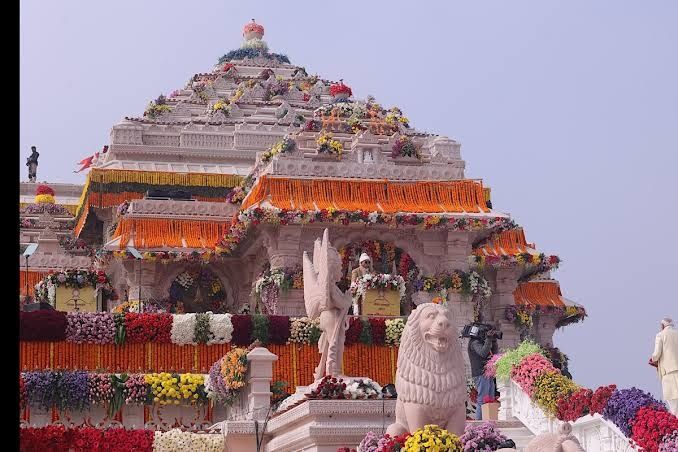
Eight people, including several temple staff members, have been taken into custody by Indian police following an investigation into financial irregularities at the Ram Mandir in Uttar Pradesh. The arrests came after authorities registered a criminal case on June 25, targeting individuals accused of systematic theft and misappropriation of religious offerings at one of India's most high-profile Hindu sites. The detainees face multiple charges including criminal breach of trust, theft, criminal conspiracy, and corruption, according to official statements released by the government.
The Ram Mandir, situated in Ayodhya in India's northern Uttar Pradesh state, holds immense symbolic significance in Hindu religious tradition and politics alike. Construction of the temple was completed and inaugurated in 2024 by Prime Minister Narendra Modi himself, marking a major milestone for his administration's Hindu nationalist agenda. The temple now stands on land where the Babri Mosque previously existed for several centuries, until its demolition in 1992 by Hindu extremist activists. This controversial history has made the temple a flashpoint in India's ongoing religious and political tensions.
The criminal investigation centres on irregularities in how donations have been managed since the temple's opening. Most of those arrested were involved in the direct handling and counting of cash and valuable items donated by worshippers, including gold and silver offerings. These monetary contributions form a crucial revenue stream for temple operations and maintenance, with devotees traditionally offering gifts as part of religious observance. The arrests suggest a significant breach in the internal controls and oversight mechanisms that should have protected these funds.
While official sources have remained cautious about disclosing the full scale of the alleged embezzlement, opposition politicians and media investigations suggest the losses could exceed US$20 million. This figure, if confirmed, would represent a substantial portion of the temple's annual donations and would raise serious questions about governance and financial accountability. The lack of transparency from authorities regarding the exact amount has only intensified public speculation and concern about the true extent of the alleged wrongdoing.
The scandal has triggered significant emotional and spiritual distress among the temple's devoted followers. Viti Saxena, a 44-year-old donor who made contributions to the temple, expressed deep disappointment at the developments, questioning whether her gifts actually reached the intended purpose. Her frustration reflects a broader crisis of confidence among the Hindu community, many of whom view the temple as a sacred space deserving of absolute integrity. The reputational damage extends beyond India's borders, with supporters of the temple worried about international perceptions of the institution.
Uttar Pradesh Chief Minister Yogi Adityanath, whose government established a Special Investigation Team to probe the allegations, pledged that no culprit would escape accountability. This statement carries particular weight given his state government's direct involvement in overseeing the temple's affairs and its Special Investigation Team. The commitment to pursue the matter suggests the authorities recognise the need to restore public confidence and demonstrate that even high-profile religious institutions are subject to the rule of law.
The financial scale of the temple construction itself underscores why donor confidence is crucial to future operations. The original building project required an estimated US$240 million to complete, an amount raised entirely through public donations from devotees across India and the diaspora. This reliance on voluntary contributions means the temple depends fundamentally on sustained public trust and generosity. Any perception of mismanagement or theft threatens not only past donors but also the temple's ability to fund ongoing maintenance and religious activities.
The Ram Mandir has become inseparable from the political narrative of Prime Minister Modi and his Bharatiya Janata Party. The BJP, while previously in opposition, championed the temple's construction through public campaigns that ultimately contributed to the mosque's 1992 demolition. This political investment in the temple as a symbol of Hindu identity makes the current scandal particularly sensitive. The charges against temple staff potentially complicate the BJP's carefully cultivated image as the guardian of Hindu interests and values.
For Southeast Asian observers, particularly those in religiously diverse societies like Malaysia, the Ram Mandir case illustrates broader tensions in managing religious institutions within secular legal frameworks. The scandal demonstrates how even sacred spaces cannot escape scrutiny regarding financial governance and accountability. In pluralistic societies where different faiths coexist, maintaining rigorous standards of institutional transparency and honesty becomes essential to preventing communal tensions and preserving interreligious harmony.

