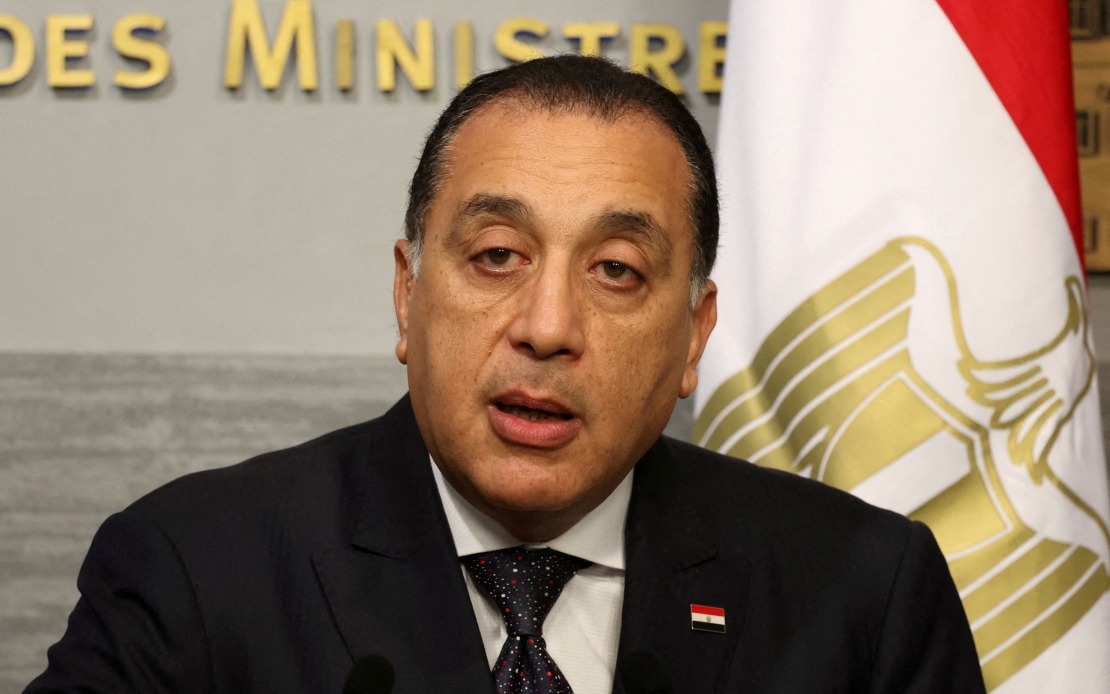
Egypt has reaffirmed its commitment to completing the El Dabaa Nuclear Power Plant according to schedule, with Prime Minister Mostafa Madbouly confirming that the first reactor is expected to connect to the national electricity grid in 2028. The announcement came during discussions with Alexey Likhachev, the chief executive of Russia's state nuclear corporation Rosatom, at a ceremony celebrating the installation of the reactor pressure vessel for the facility's second operational unit. This milestone marks substantial progress on what Cairo describes as a transformative infrastructure project that will reshape the country's energy landscape for decades to come.
Located along Egypt's Mediterranean coast in the city of El Dabaa, approximately 300 kilometres northwest of Cairo in Matrouh Province, the nuclear complex represents the fruit of a long-standing partnership between Egypt and Russia. The two nations signed the underlying contracts in December 2017, establishing the legal and technical framework that now governs all aspects of design, construction, and eventual operation. Madbouly characterised the undertaking as a realisation of ambitions that have been deferred for far too long, emphasising that bilateral cooperation has made this strategic achievement possible.
The facility will ultimately comprise four separate reactor units, each capable of generating 1,200 megawatts of electricity. This substantial generating capacity underscores Cairo's determination to tackle one of its most pressing contemporary challenges: meeting surging energy demand whilst transitioning away from fossil fuels. The schedule envisages the first unit entering commercial operation in 2028, with the remaining three reactors coming online sequentially by 2030, providing a phased expansion of nuclear generation capacity throughout the coming decade.
Egypt's pivot toward nuclear energy reflects a broader strategic reassessment of how to balance competing energy imperatives. The country has historically relied heavily on natural gas and hydroelectric resources, supplemented by increasing renewable capacity. However, rapid population growth, urbanisation, and industrial expansion have strained existing supply infrastructure and driven electricity demand to levels that conventional sources struggle to accommodate reliably. Madbouly explicitly positioned the El Dabaa project within this comprehensive energy diversification agenda, stressing that nuclear power will constitute a critical pillar of a cleaner, more sustainable national energy portfolio.
The significance of this undertaking extends well beyond Egypt's borders, carrying important ramifications for the broader Middle East and North Africa region. As energy demand intensifies across North Africa and the Eastern Mediterranean, Egypt's success in deploying large-scale nuclear capacity could establish a template for neighbouring states considering similar pathways. The project also reinforces Russia's expanding influence in Middle Eastern energy affairs, demonstrating Moscow's technological capabilities and its capacity to secure long-term commercial partnerships with strategically important regional actors.
For Malaysia and other Southeast Asian economies monitoring global energy trends, Egypt's nuclear ambitions offer instructive lessons. Many ASEAN nations face comparable pressures to satisfy rising electricity consumption whilst reducing carbon emissions and diversifying away from coal and natural gas dependency. The El Dabaa project illustrates how large-scale nuclear infrastructure, despite substantial upfront capital requirements and complex regulatory frameworks, can meaningfully contribute to decarbonisation objectives and energy security when implemented through structured international partnerships.
Rosatom's ongoing involvement provides Egypt with access to Russian nuclear expertise, advanced reactor design, and operational support systems that would be prohibitively expensive to develop domestically. Likhachev's acknowledgment of Egyptian government backing underscored the critical importance of sustained political commitment to major infrastructure programmes that typically span multiple parliamentary cycles and administrations. The completion of the reactor pressure vessel installation represents a tangible symbol of this commitment, demonstrating that work proceeds according to agreed timelines despite the considerable technical and logistical complexities inherent in nuclear construction.
The El Dabaa facility will address multiple policy objectives simultaneously. Beyond raw electricity generation, the plant will reduce reliance on imported energy resources, containing costs for Egypt's energy-intensive economy and improving the nation's balance of payments position. Nuclear generation produces no greenhouse gas emissions during operation, directly contributing to Egypt's climate commitments and international environmental obligations. Additionally, the project creates high-skill employment opportunities and builds technical expertise within Egypt's scientific and engineering workforce, fostering knowledge transfer and capability development that extends far beyond the power sector itself.
The timeline announced by Madbouly and Likhachev suggests that the first reactor will enter service within roughly three and a half years, a compressed schedule that reflects intensive construction efforts and careful project management. However, nuclear projects in developing economies frequently experience delays, cost overruns, or technical complications that necessitate timeline extensions. Egypt's experience with El Dabaa will be closely monitored by other Middle Eastern and African nations evaluating nuclear expansion, as successful on-time delivery would validate the viability of large-scale nuclear deployment in regions beyond established nuclear powers.
The investment required to complete El Dabaa remains substantial, though specific contemporary capital expenditure figures have not been publicly disclosed in recent announcements. Construction advances steadily through what Madbouly characterised as an unwavering commitment to the agreed schedule, suggesting that financing arrangements are secure and procurement processes remain on track. The project's advancement also indicates that international suppliers and subcontractors engaged in nuclear construction are maintaining their involvement and dedicating adequate resources to Egyptian operations.
Looking forward, successful completion of El Dabaa would position Egypt as a nuclear-generating nation and could catalyse broader adoption of atomic energy within the region. The facility's performance data, safety records, and operational efficiency metrics would inform decision-making by neighbouring governments contemplating similar investments. For Russia, timely delivery would strengthen Rosatom's reputation and likely generate additional commercial opportunities across a region increasingly attentive to energy independence and decarbonisation imperatives.

