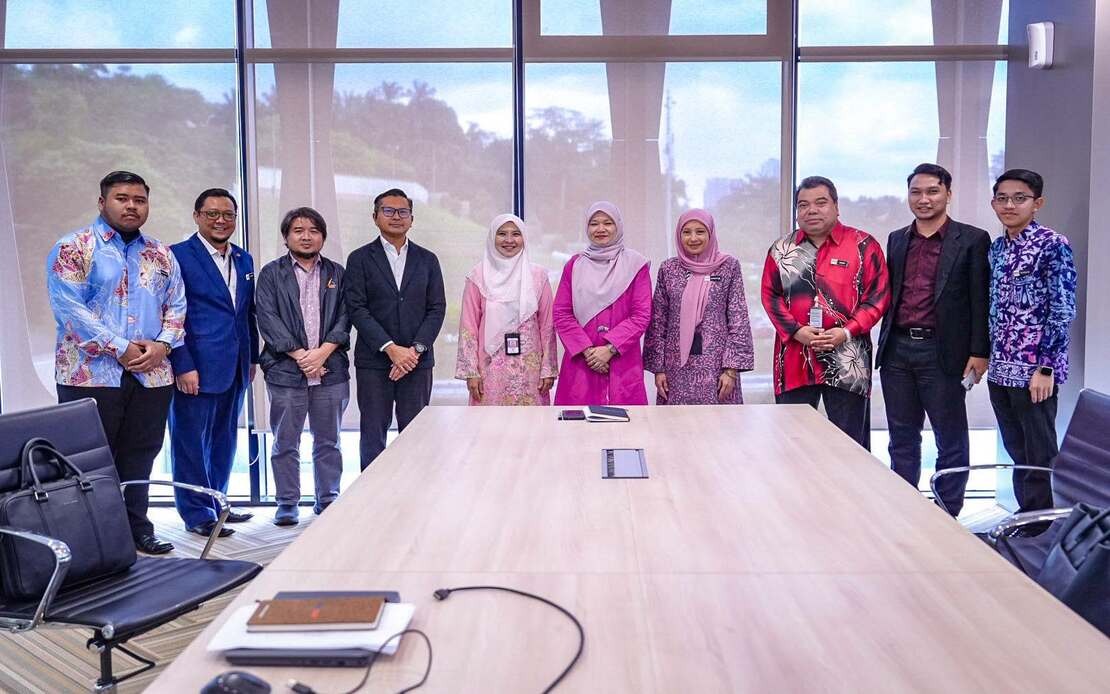
Education Minister Fadhlina Sidek has announced a comprehensive advocacy initiative to educate the education sector about three critical pieces of legislation designed to safeguard Malaysian children. The programme will focus on the Child Act 2001, the Anti-Bullying Act 2026, and the Sexual Offences Against Children Act 2017, with rollout plans extending across schools nationwide. The commitment emerged from discussions between Fadhlina and a delegation from the Human Rights Commission of Malaysia (SUHAKAM), led by Children's Commissioner Dr Farah Nini Dusuki and Dr Mohd Al Adib Samuri.
The initiative represents a strategic recognition that legislative frameworks alone cannot protect children without corresponding public understanding and institutional buy-in. By concentrating efforts within the education system, Malaysia is targeting the environment where children spend most of their formative hours and where early intervention proves most effective. Schools serve as natural platforms for disseminating information to young people, educators, parents, and administrators simultaneously, creating a multiplier effect for awareness-building efforts.
During the meeting, officials discussed pressing contemporary challenges affecting student safety, particularly the twin issues of bullying and sexual harassment. These concerns have gained prominence in Malaysian public discourse, with growing recognition that schools require robust frameworks and trained personnel to respond effectively to reported incidents. The collaboration signals that both the Education Ministry and SUHAKAM view these problems not as isolated incidents but as systemic issues requiring coordinated policy responses and institutional change.
Fadhlina emphasised that strengthening collaboration between her ministry and SUHAKAM should serve as a foundation for raising awareness at every institutional level. This multi-layered approach acknowledges that effective child protection demands engagement from school administrators, teachers, support staff, parents, and students themselves. Each group requires tailored information reflecting their respective roles and responsibilities in creating safer educational environments. The partnership also suggests recognition that a human rights body like SUHAKAM brings technical expertise and independence that complements the Education Ministry's operational reach.
The Anti-Bullying Act 2026 represents particularly significant legislation in this context, as it establishes clear definitions, reporting mechanisms, and consequences for bullying behaviour. By making schoolchildren and educators aware of these legal provisions, the advocacy programme aims to shift cultural norms around peer-to-peer aggression and harassment. Students who understand their legal protections and avenues for recourse become more likely to report incidents rather than suffer in silence. Teachers equipped with knowledge of their obligations under the law gain confidence in responding to bullying reports.
The Sexual Offences Against Children Act 2017 addresses crimes that disproportionately victimise young people in their most vulnerable years. Advocacy on this legislation must balance age-appropriate education with practical information about identifying concerning behaviour, accessing help, and understanding that children bear no responsibility for adult predators' actions. Schools implementing such programmes help reduce shame and silence that often accompany sexual offences against minors, creating pathways for victims to seek support.
The Child Act 2001, as the foundational statute governing children's rights and protection in Malaysia, warrants broad awareness to establish a common understanding of children's entitlements. This framework underpins both the Anti-Bullying and Sexual Offences Acts, making it essential that educators and administrators grasp the principles animating these laws. An informed school community can identify children whose rights are being violated and respond appropriately rather than dismissing concerning behaviour as normal.
For Malaysian readers and policymakers, this initiative carries several implications. First, it demonstrates that child protection remains a stated priority for the national government, with budget allocation and institutional attention following rhetoric. Second, the partnership between an enforcement-focused ministry and an independent rights body suggests openness to external accountability and expertise, a positive signal in governance. Third, the focus on education as the primary vehicle for advocacy reflects international best practice, recognising that knowledge gaps perpetuate cycles of harm.
Implementation challenges should not be minimised. Training educators across Malaysia's geographically dispersed school system requires sustained funding and high-quality materials. Ensuring that advocacy translates into changed institutional practices and reporting behaviours demands ongoing monitoring and follow-up. Cultural sensitivities around sexual topics and perceptions that bullying represents normal childhood experiences may resist awareness-raising efforts in some communities. Fadhlina's statement that "there will be no compromise" on children's rights and welfare signals governmental determination to proceed despite potential resistance.
The timing of this announcement reflects growing international and domestic attention to child safety in educational settings. Regional neighbours and international organisations have increasingly scrutinised how countries protect vulnerable populations, making child protection a matter of national reputation alongside moral imperative. By proactively launching this advocacy programme, Malaysia positions itself within the band of Southeast Asian nations taking comprehensive legislative and educational approaches to child safeguarding.
As schools prepare to implement these awareness programmes, success will depend on moving beyond one-off training sessions toward embedding protection principles into everyday school culture. Teachers require not merely knowledge of laws but practical skills in responding to disclosures, supporting trauma-affected students, and preventing retaliation against victims. Parents need information enabling them to recognise warning signs at home and school. Students must learn that they possess agency and protection under law rather than accepting harm as inevitable.
The collaboration between the Education Ministry and SUHAKAM establishes a foundation for ongoing dialogue and accountability. By anchoring the initiative in partnership with an independent rights body, implementation becomes subject to external scrutiny and recommendations for improvement. This structural arrangement protects the advocacy programme from becoming a cosmetic exercise, instead orienting it toward measurable improvements in child safety outcomes across Malaysian schools.

