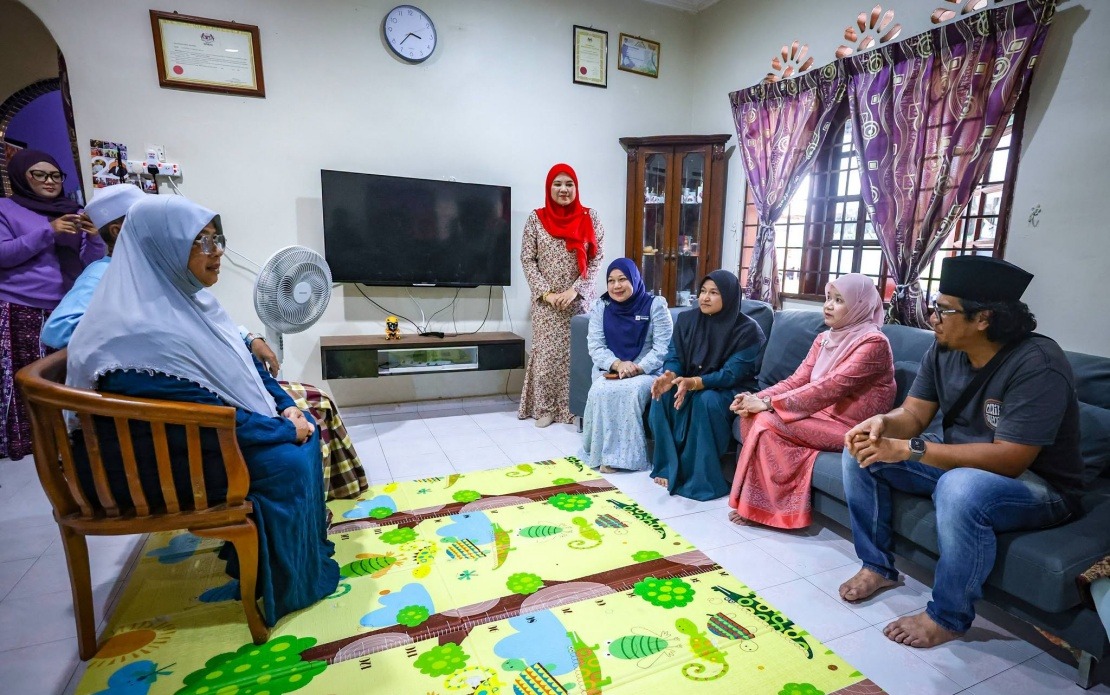
Education Minister Fadhlina Sidek paid a visit to the family of Muhammad Raiyan Nufael, a Form Two student who tragically lost his life following a collapse at a rugby training session in Telok Mas, Melaka, on Wednesday evening. The minister's visit, undertaken on behalf of the Ministry of Education personnel, conveyed official condolences and support to the grieving parents during this difficult period.
Through a statement shared on social media, Fadhlina expressed her sympathies and offered prayers for the deceased student. She called for the family to find solace and resilience as they navigate the profound loss of their son, acknowledging the spiritual and emotional dimensions of their bereavement.
The incident unfolded when the 14-year-old student experienced sudden respiratory distress approximately 15 minutes into the rugby training session. The teenager had recently taken a break when he began displaying signs of acute breathing difficulties while receiving instructions from the coach. Medical assistance was immediately sought, but despite efforts to revive him, he was pronounced dead at the school premises around 6 pm on the day of the incident.
This tragedy has raised significant questions about student safety protocols during sporting activities in Malaysian schools. Rugby, while an important component of character-building in secondary education, carries inherent physical risks that require robust medical safeguards and trained personnel on standby. The rapid onset of respiratory failure in this case suggests the need for comprehensive health screening procedures before students participate in intensive training sessions.
The circumstances of the collapse point to the importance of understanding individual health vulnerabilities among young athletes. Schools across Malaysia must ensure that all students undergo appropriate medical evaluations before engaging in strenuous activities, particularly contact sports that demand significant cardiovascular exertion. Pre-training medical clearance and documented health histories could prove instrumental in identifying potential risk factors.
The Ministry of Education will likely face mounting pressure from parents and educational stakeholders to implement stricter guidelines governing physical education and sporting activities in schools. This incident underscores the delicate balance between fostering athletic development and ensuring that safety measures remain paramount. Training intensity, duration, and environmental conditions must be calibrated according to student fitness levels and medical capabilities.
Emergency preparedness at schools also warrants examination in light of this tragedy. The availability of automated external defibrillators, trained first aid responders, and rapid access to emergency medical services can mean the difference between life and death in such critical situations. Schools should conduct regular drills and ensure all staff members involved in sports supervision possess current first aid and cardiopulmonary resuscitation certification.
The incident raises broader concerns about oversight in school sporting programmes across Malaysia. While physical education forms a crucial part of holistic student development, the absence of adequate medical supervision or emergency protocols during training sessions represents a significant vulnerability. Coaches and trainers require formal qualifications not only in sports techniques but also in recognizing warning signs of medical distress among young participants.
Parental awareness regarding the risks associated with school sports programmes also deserves consideration. Families should receive comprehensive information about safety measures, emergency procedures, and their child's individual health assessments before participation in contact sports. Greater transparency between schools and parents regarding training intensity, supervision levels, and medical support infrastructure would help build confidence in these programmes.
The tragedy has prompted reflection on whether current regulations adequately protect young athletes in Malaysian schools. The Ministry of Education may need to collaborate with medical professionals and sports safety experts to develop enhanced guidelines that address the realities of competitive sporting activities while prioritizing student welfare above all other considerations.
Beyond immediate safety measures, this incident highlights the emotional toll such tragedies inflict on school communities, families, and fellow students. Counseling services and psychological support should be extended to classmates and staff members who witnessed or were affected by this loss, recognizing the long-term impact of trauma on young people.
The government's response to this incident will set an important precedent for how Malaysia handles similar cases moving forward. Whether through improved regulations, enhanced medical protocols, or better training of school personnel, authorities have an opportunity to transform this tragedy into meaningful systemic improvements that protect future generations of student athletes.

