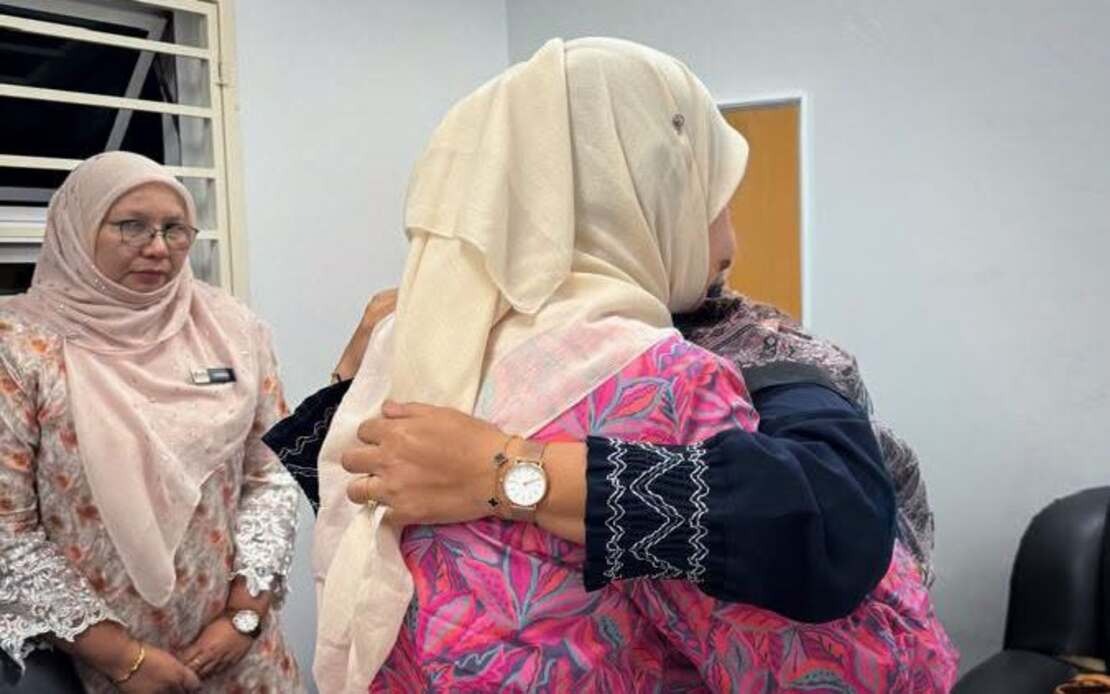
Education Minister Fadhlina Sidek has made a compassionate appeal to the public to extend privacy and understanding to the family of a 16-year-old female student who died at a school in Negeri Sembilan this morning. In a Facebook post, the minister expressed her condolences and called for sensitivity during what she acknowledged as an extraordinarily difficult period for those affected by the tragedy.
The sudden death of a young student at an educational institution inevitably sends shockwaves through the entire school community and wider society. School-related fatalities, regardless of circumstances, raise concerns among parents about the safety and welfare provisions within educational settings. The incident underscores the vulnerability of teenagers and the complex challenges that schools face in safeguarding their physical and mental health.
Fadhlina emphasised that the Ministry of Education is extending its full cooperation to ongoing police investigations into the circumstances surrounding the student's death. This commitment to transparency and accountability reflects the government's recognition that such incidents demand thorough examination to establish facts and, where appropriate, identify any systemic issues that may require addressing.
The minister's visit to Rembau Hospital alongside Education director-general Datuk Dr Mohd Azam Ahmad demonstrated institutional support at the highest levels. Such direct engagement from senior officials serves multiple purposes: it conveys genuine concern, acknowledges the gravity of the situation, and provides practical assurance that resources and assistance will be mobilised to support the grieving family.
In her statement, Fadhlina invoked Islamic prayer traditions, offering condolences that resonate with Malaysia's predominantly Muslim population while also reflecting the broader cultural values of compassion and community support that transcend religious boundaries. The explicit mention of seeking patience and strength for the family acknowledges that bereavement of this nature creates psychological and emotional trauma that extends well beyond the immediate shock.
The minister's careful messaging also serves an important public health function. By appealing for space and respect, Fadhlina was implicitly discouraging speculation, rumour-mongering, or inappropriate social media commentary that often accompanies such tragedies. Unverified claims and sensationalised accounts can compound family trauma and potentially interfere with legitimate investigative processes.
For Malaysian schools and parents, incidents of this nature prompt broader reflection on student wellbeing infrastructure. Secondary schools in Malaysia serve diverse student populations with varying levels of emotional and psychological vulnerability. While schools provide academic education, increasing recognition of mental health challenges among teenagers means that pastoral care systems and access to counselling services have become critical components of modern school management.
The police investigation will likely examine multiple dimensions: the immediate medical circumstances, the student's health history, any previous concerning incidents or behaviours, and environmental factors within the school. Such investigations are procedurally essential for determining whether the death resulted from natural causes, accident, or other circumstances. The thoroughness of this process will provide clarity to the family and potentially to the broader educational system about what occurred.
The situation also highlights the delicate balance schools must maintain between transparency and privacy protection. While the public has legitimate interest in understanding what happened, the family's right to grieve without excessive scrutiny or invasion is paramount. Educational institutions must be prepared to communicate with their communities while simultaneously protecting vulnerable individuals involved.
For Negeri Sembilan and the wider Malaysian education sector, this incident serves as a reminder that schools must continuously evaluate their duty of care protocols. This encompasses not only physical safety measures but also mental health screening, crisis response procedures, and support mechanisms for students experiencing distress. Teachers and administrators require adequate training to identify students at risk and to respond appropriately when concerning signs emerge.
Minister Fadhlina's intervention represents the expected institutional response to tragedy: acknowledgement, compassion, and commitment to investigation. However, the medium-term significance lies in whether this incident catalyses substantive improvements in student protection frameworks. Isolated expressions of sympathy, while necessary, must be accompanied by systemic changes that address any gaps identified during investigation.
The coming weeks will be challenging for everyone connected to the school. Staff will require support processing the loss of a student in their care. Other students may experience anxiety or grief. The school community will need reassurance about safety and continuity of operations. Education authorities must therefore maintain close oversight while implementing appropriate support measures across all stakeholder groups affected by this tragedy.

