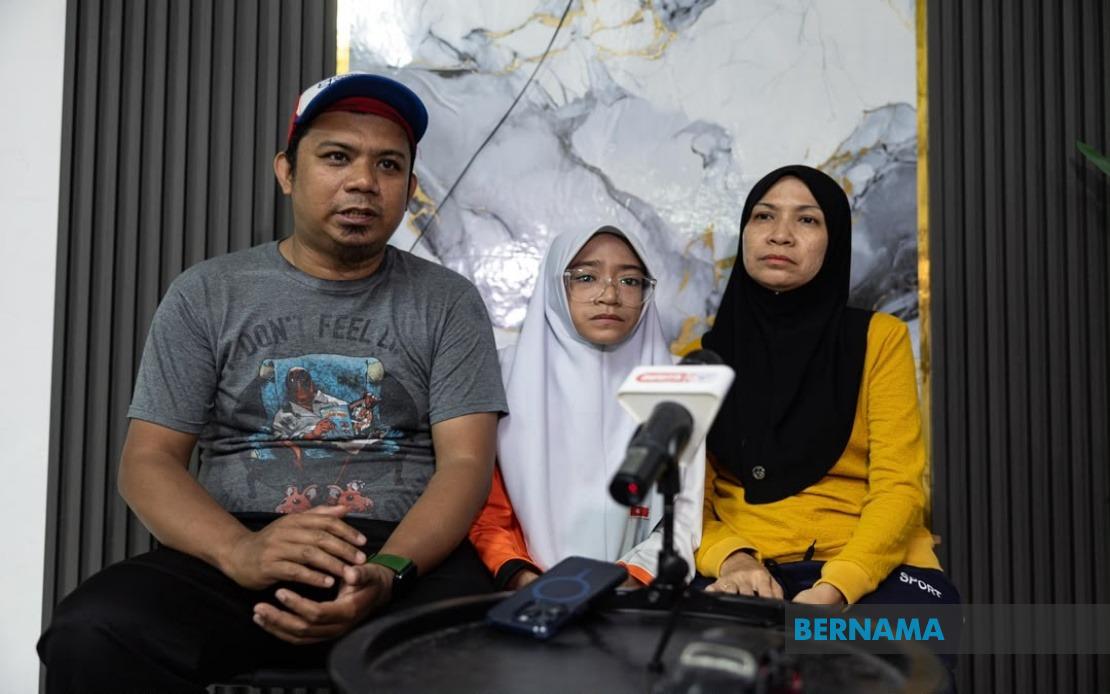
Education Minister Fadhlina Sidek has announced a RM10,000 contribution from herself and the Tun Hussein Onn Teachers' Foundation (YGTHO) to finance corrective spinal surgery for Arissa El Zahra Reduan, a 13-year-old student from Ipoh. The procedure is slated for September 8 at Raja Permaisuri Bainun Hospital (HRPB) in the Perak capital, addressing a medical need that had threatened the teenager's ability to continue her schooling.
The funding announcement came via a personal video call in which Fadhlina conveyed the news directly to Arissa and her mother, demonstrating a commitment to accessibility and compassion in government support for citizens facing medical hardship. During the conversation, the minister pledged the full amount required and assured the family that arrangements would be expedited to transfer the contribution immediately. She emphasised that the girl need not worry about financing obstacles to her recovery and return to normal school attendance alongside her peers.
Arissa's father, Reduan Saad, had publicly appealed for the RM10,000 needed to cover surgical expenses just days before the minister's intervention. Scoliosis, a curvature of the spine, can severely impact posture, mobility, and quality of life if left untreated, particularly in growing children. The condition's progression during adolescence often necessitates surgical intervention to prevent long-term complications affecting daily functioning and educational participation.
Fadhlina expressed deep emotional engagement with the case, highlighting the visible determination in the teenager to maintain her educational journey despite health obstacles. In her social media statement, she reflected on the universal human response to witnessing a child's resolve to continue learning, framing the foundation's involvement not merely as financial relief but as affirming a young person's aspirations. She acknowledged the role of media coverage in bridging communication between affected families and potential sources of assistance, underscoring how public awareness can catalyse timely intervention.
The Tun Hussein Onn Teachers' Foundation, named after Malaysia's third Prime Minister, operates as a charitable vehicle aligned with educational welfare objectives. Its joint participation in funding Arissa's treatment reflects an institutional commitment to removing barriers that prevent students from accessing healthcare and returning to classroom environments. Such initiatives demonstrate how established foundations can complement government health programmes by addressing specific cases where individual families lack sufficient resources for critical medical procedures.
Raja Permaisuri Bainun Hospital, where the surgery will occur, is a major tertiary healthcare facility in Perak serving a large catchment population across the state and neighbouring regions. As a government hospital, HRPB provides specialist orthopaedic services including complex spinal procedures, ensuring that Arissa will receive treatment within Malaysia's public healthcare system rather than facing pressures to seek expensive private alternatives.
The timing of the surgical intervention in early September aligns with the school calendar, potentially allowing Arissa recovery time before the next academic term begins. This coordination suggests that the minister's office is considering not only immediate medical needs but also the broader lifecycle of the teenager's educational progress and social reintegration. Post-operative rehabilitation and physiotherapy will be crucial to her full recovery, and the government's involvement may extend to facilitating access to these supportive services.
For Malaysian families navigating healthcare costs, this case illustrates the available support mechanisms when individuals proactively seek assistance through public channels and media visibility. However, it also highlights an underlying reality: many medical cases requiring substantial expenditure remain unaddressed simply because families lack awareness of potential funding sources or lack the means to publicise their circumstances. The ad-hoc nature of such interventions, while genuinely beneficial to recipients, points to ongoing questions about systematic coverage for paediatric surgical needs across socio-economic groups.
Fadhlina's personal engagement and YGTHO's contribution model a leadership approach that emphasises transparency and direct communication with citizens facing hardship. By documenting the assistance through video communication and public announcements, the minister's office creates accountability while simultaneously demonstrating responsiveness to community needs. Such visible government action can build public confidence in institutional mechanisms designed to support vulnerable populations, particularly children whose medical conditions directly affect their educational trajectories.
The case also underscores the intersection between healthcare access and educational equity in Malaysia. A teenager unable to undergo necessary surgery faces not only physical health deterioration but also potential educational disruption, creating cascading disadvantages. By addressing the financial barrier to treatment, the government intervention protects not only Arissa's immediate wellbeing but also her long-term educational and employment prospects. This holistic understanding of social support recognises that healthcare funding decisions have profound implications for human capital development and social mobility.

